Home

24. April 2026 16:04
by Rene Pallesen
0 Comments

China 2026 Guangzhou

24. April 2026 16:04 by Rene Pallesen | 0 Comments

First Shamian Island in GuangzhouThen sight seeingDinner with one of Kims friends at exclusive priva
Guangzhou was our gateway into China — just the four of us: Rene, Kim, Aiden and Lucas.

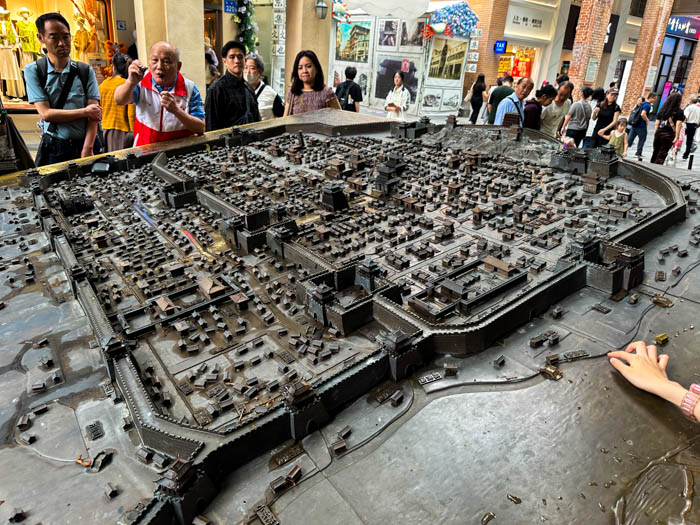
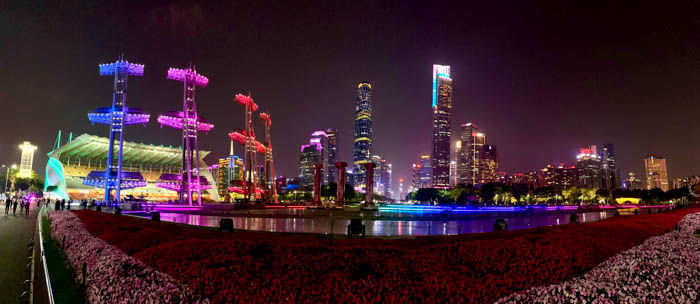
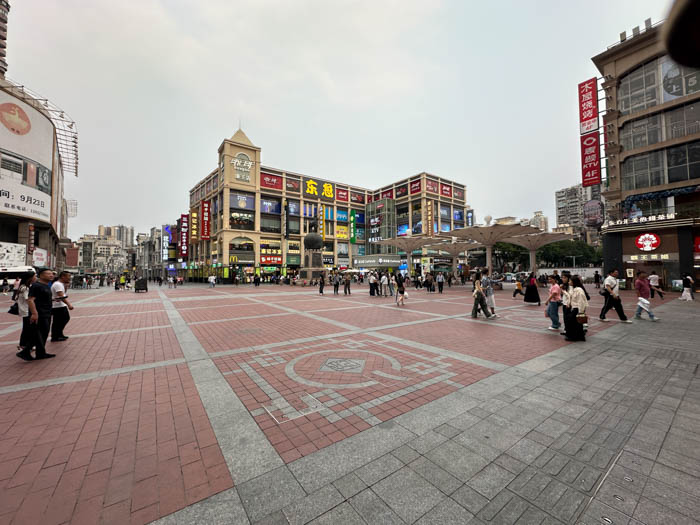
Arriving into Guangzhou, the sheer size hits you first. This isn’t just a big city — it’s a sprawling megacity built on more than 2,000 years of history, now layered with relentless modern growth. Yet it is super clean everywhere and despite all the traffic it is super quiet due to everyone driving electric bikes and cars.

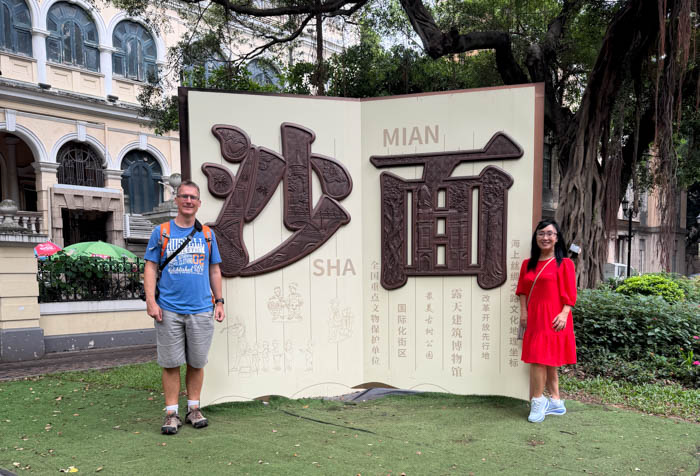
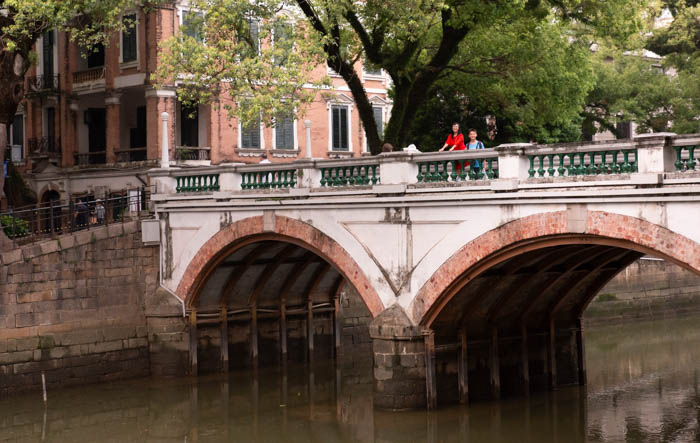
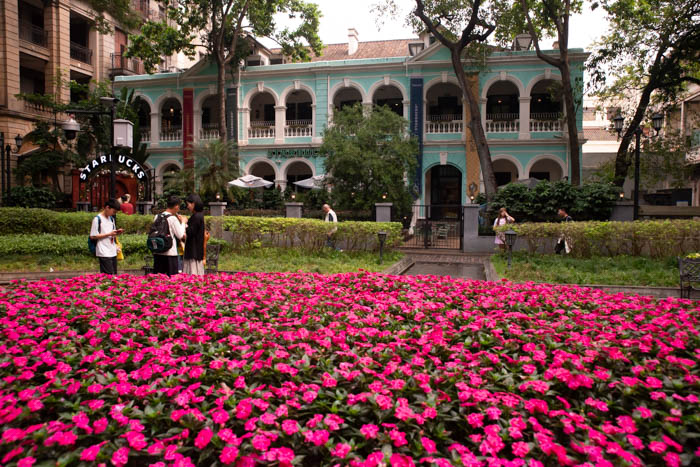
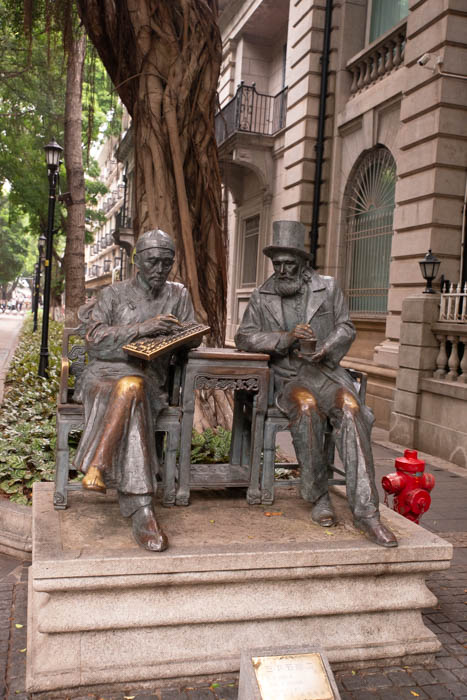
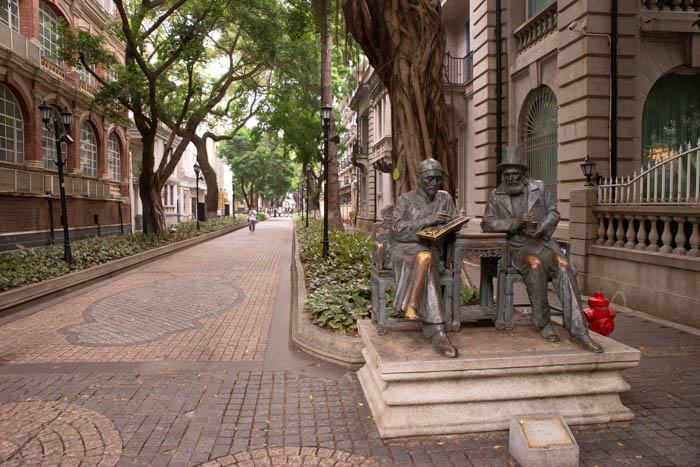
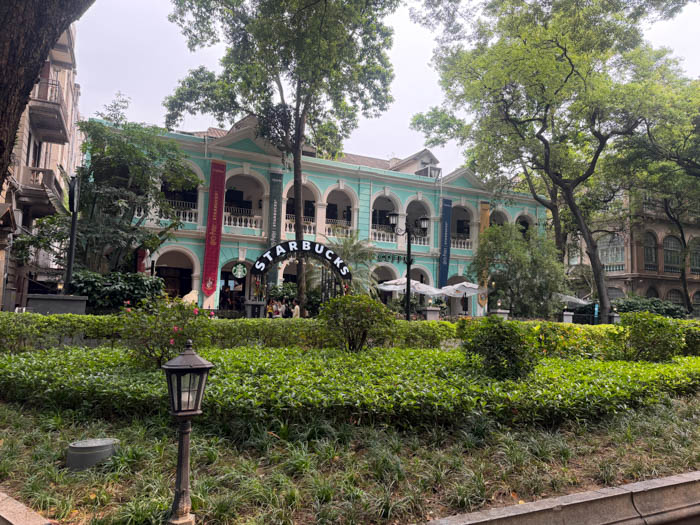
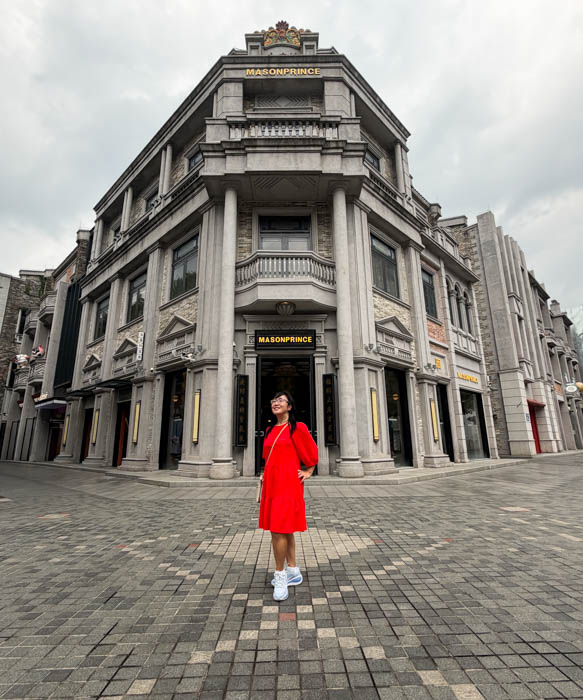
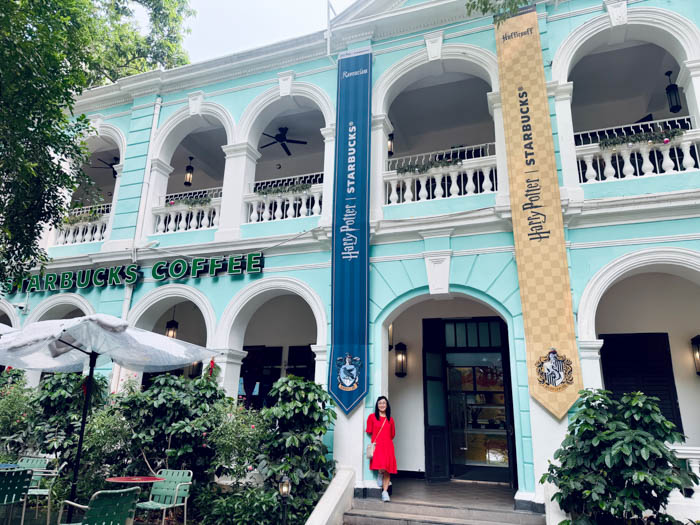
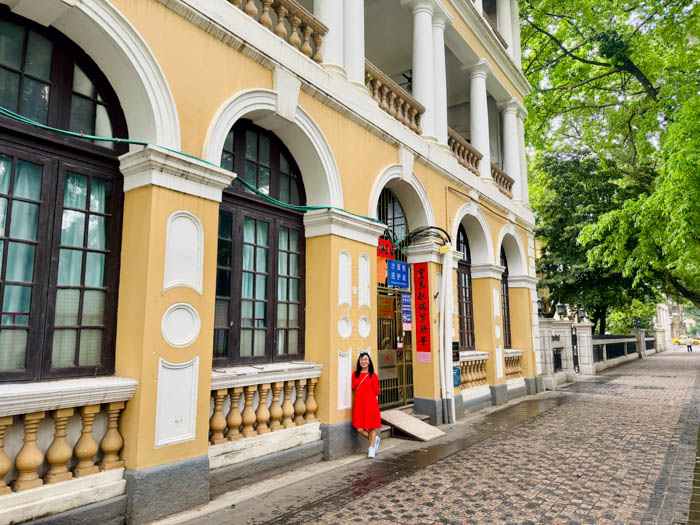
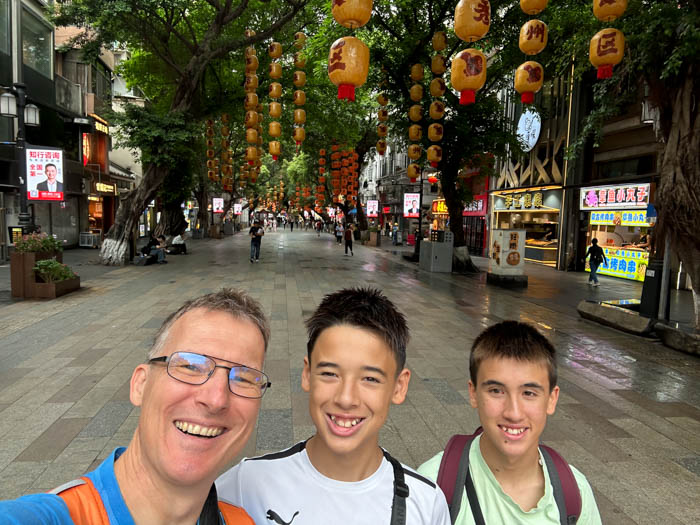
First stop in the morning was Shamian Island. Walking onto Shamian Island feels like stepping into Europe. Tree-lined streets, colonial mansions, quiet cafés — it couldn’t be more different from the rest of the city.

But this place carries a complicated history. After the Opium Wars in the 19th century, this small island was carved out and divided between British and French control, becoming a foreign enclave in China.

What remains today is a fascinating blend of cultures — European architecture, Chinese life, and a sense of calm that feels almost surreal in a city like this.

For us, it was one of those rare travel moments where everything slows down. The boys could wander, Kim could soak in the atmosphere, and I found myself drawn to the history that I have read about in numerous books.


It’s easy to be distracted by Guangzhou’s scale — the towers, the traffic, the constant movement — but the real character of the city reveals itself when you step off the main roads and into the narrow alleyways.

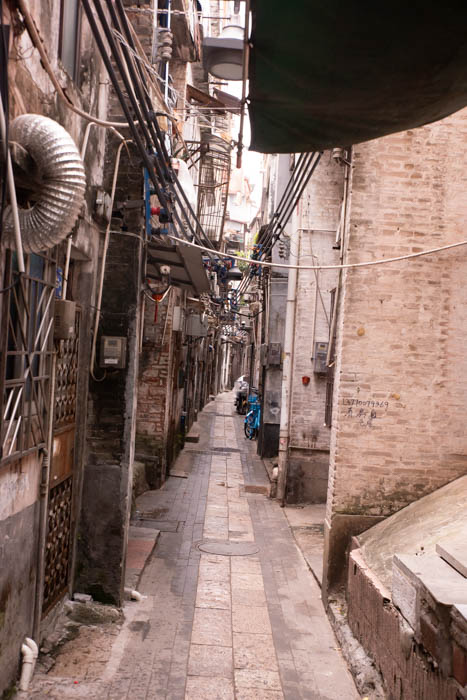
These laneways are where life compresses.

The streets tighten, the noise softens into something more human, and suddenly you’re walking through someone’s everyday world. Open doorways reveal small kitchens in full swing, laundry hangs overhead like a patchwork sky, and scooters squeeze past with barely enough room to spare.

This is where Guangzhou slows down.

We wandered without much of a plan, turning corners simply because they looked interesting. The boys quickly realised this was a different kind of exploring — not landmarks, but observation. Small moments. A nod from a local, a curious glance, someone going about their day completely unfazed by four outsiders passing through.

For me, this was where the camera came alive. Not because of anything grand, but because of the texture — worn walls, layered history, faces that told stories without words.
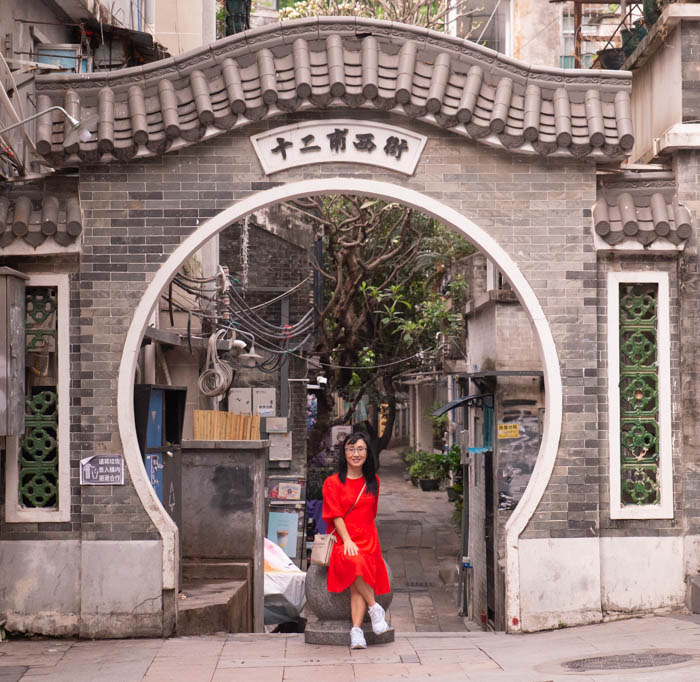


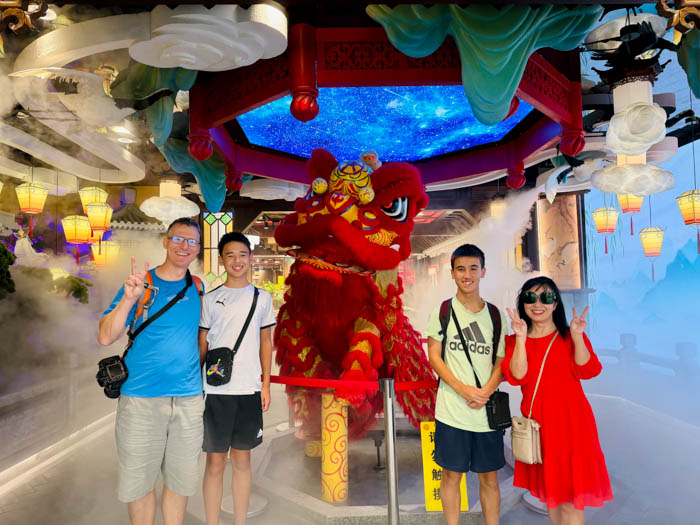
Not far from the bustle of the city, we found ourselves wandering into the area around the Guangdong Cantonese Opera Museum — and it turned out to be one of the most unexpectedly fascinating parts of Guangzhou.

The museum itself is beautifully designed, built in the style of traditional Lingnan architecture, with ornate roofs, carved woodwork, and peaceful courtyards. But what really drew us in wasn’t just the building — it was what was happening around it.

Locals were gathering, dressed in elaborate Cantonese opera costumes — vibrant silks, intricate embroidery, and dramatic makeup. Some were performers, others simply enthusiasts, but all of them carried a quiet pride in what they were part of.

What made it so compelling was how natural it all felt.

People were chatting, adjusting costumes, helping each other prepare, and taking photos — not for tourists, but for themselves. It wasn’t staged or curated. It was a living tradition, still very much part of everyday culture.

Cantonese opera has deep roots in southern China, blending music, storytelling, martial arts, and symbolism into a highly stylised art form that dates back hundreds of years. And here, in this small pocket of Guangzhou, it wasn’t something preserved behind glass — it was still alive.
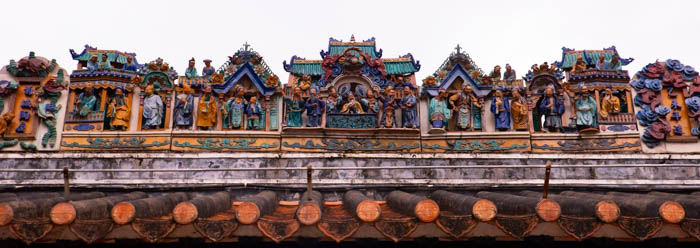
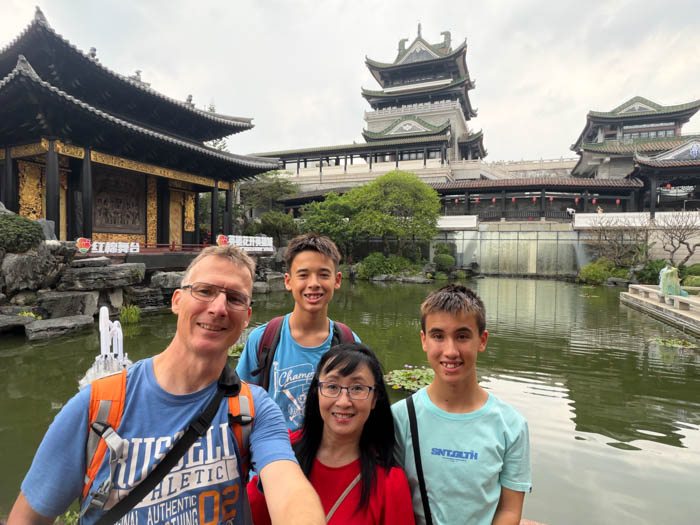
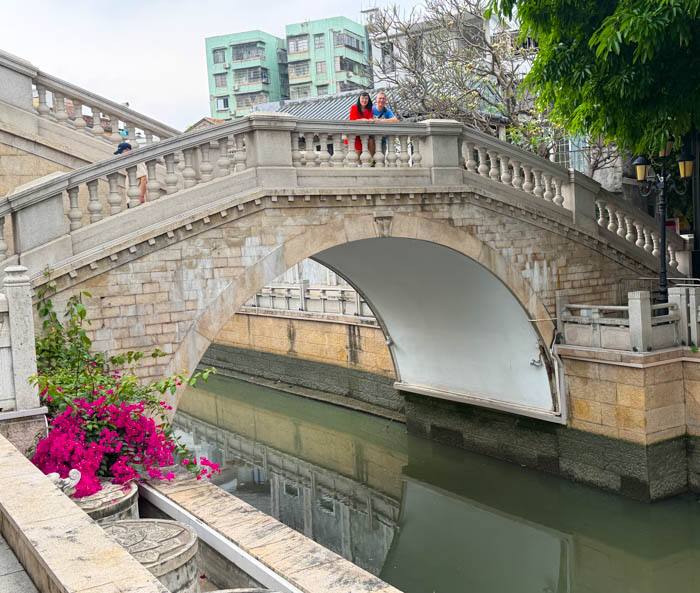


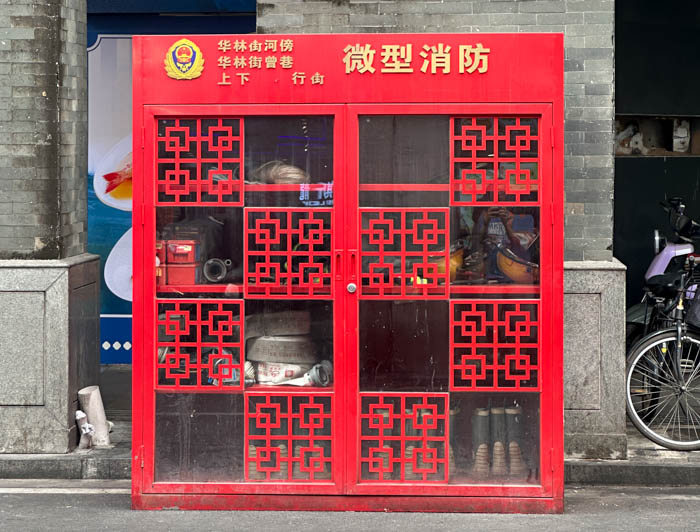
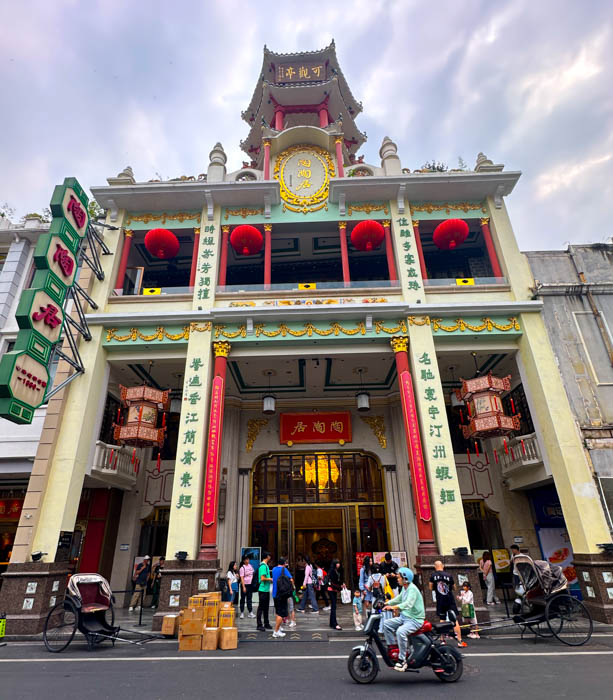
Beyond the main roads, the city unfolds through a rhythm of small shops and daily rituals. Narrow storefronts spill out onto the pavement — fruit stacked in careful pyramids, hardware stores packed floor to ceiling, tiny eateries with a handful of stools and a constant flow of regulars. There’s no clear boundary between business and street; everything blends together into one continuous, living space.


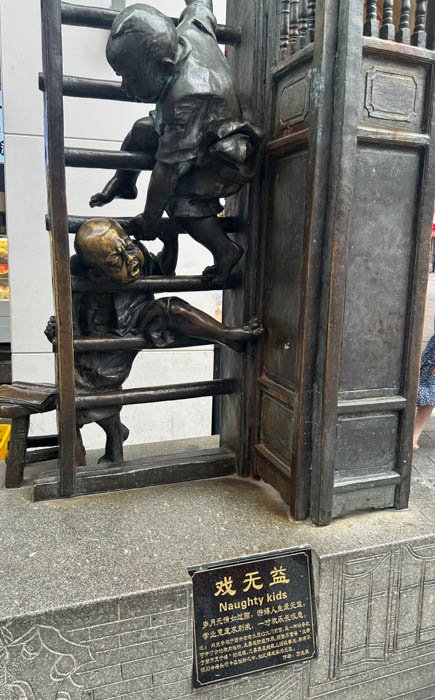
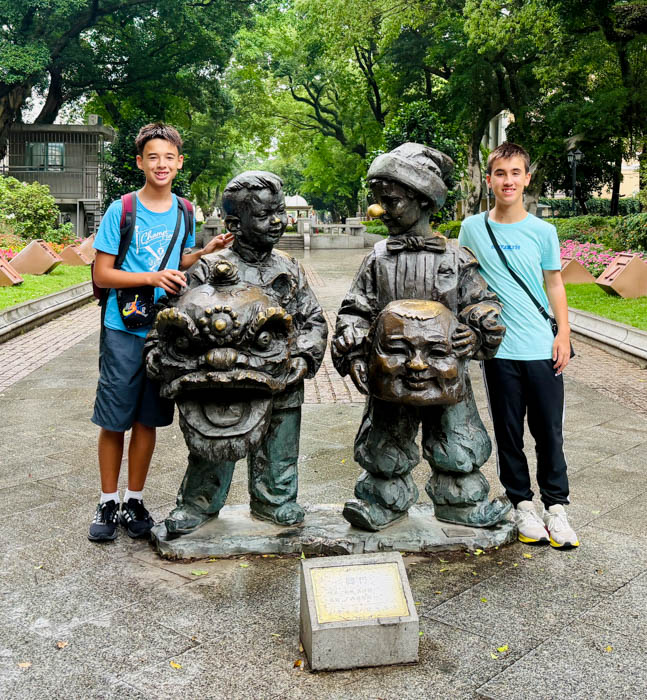
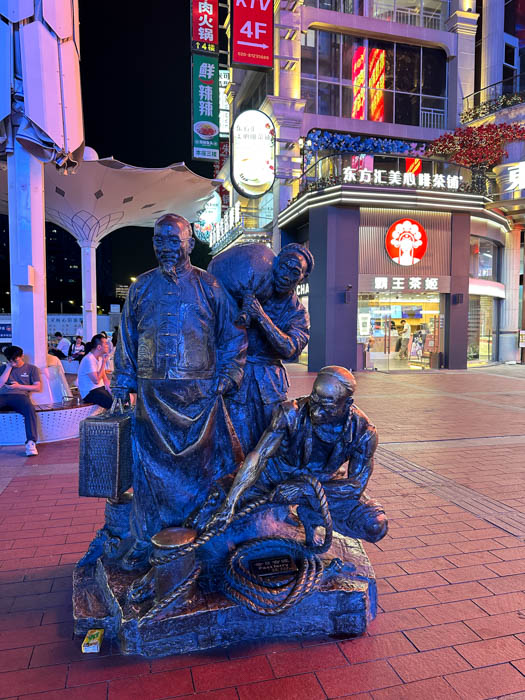
And then, almost quietly, you start to notice them — the bronze statues.

They’re scattered throughout the city, often without fanfare. A fisherman hauling in a net. A street vendor mid-sale. Children playing. Scenes from another time, frozen in metal but placed right in the middle of modern Guangzhou.

They’re easy to walk past if you’re not paying attention.

But once you notice them, they change the way you see the city.

These aren’t grand monuments to emperors or victories — they’re tributes to everyday life. They reflect the trading roots of Guangzhou, once one of China’s most important ports and the starting point of the Maritime Silk Road. For centuries, this was a city defined by commerce, movement, and connection to the outside world.

And those stories are still here — just told in quieter ways.


One evening in Guangzhou took a different turn.

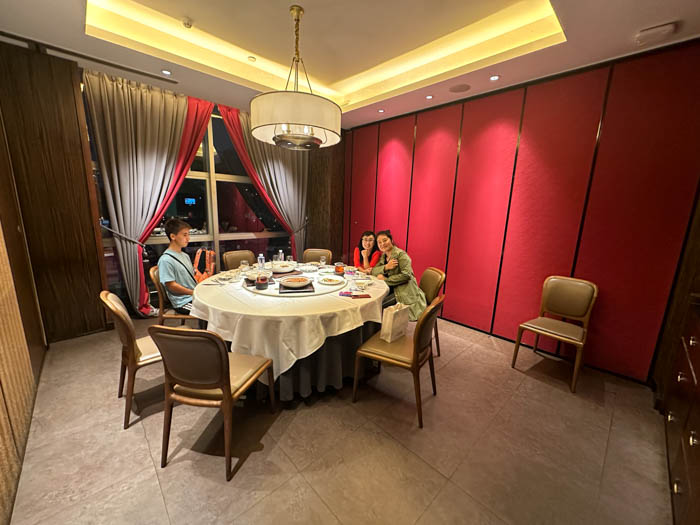
Kim had arranged to meet an old colleague, and instead of the street-side eateries and small local restaurants we’d been exploring, we were taken somewhere altogether more elaborate.

From the outside, it didn’t immediately give much away. But once inside, the scale revealed itself.

The restaurant unfolded like a maze — long corridors branching into more corridors, each lined with private dining rooms hidden behind heavy doors. It felt less like a restaurant and more like a series of discreet, self-contained worlds. Every group tucked away in their own space, out of sight, out of earshot.

You couldn’t help but wonder what kinds of conversations these rooms had hosted over time. Business deals, family negotiations, celebrations, quiet discussions — the kind of interactions that are never meant to spill into the public space.

There’s a long tradition of private dining in China, especially in cities like Guangzhou where relationships — guanxi — are central to both business and social life. Meals aren’t just about food; they’re about trust, hierarchy, and connection. And spaces like this are designed for exactly that.

For us, it felt like stepping briefly into that world.

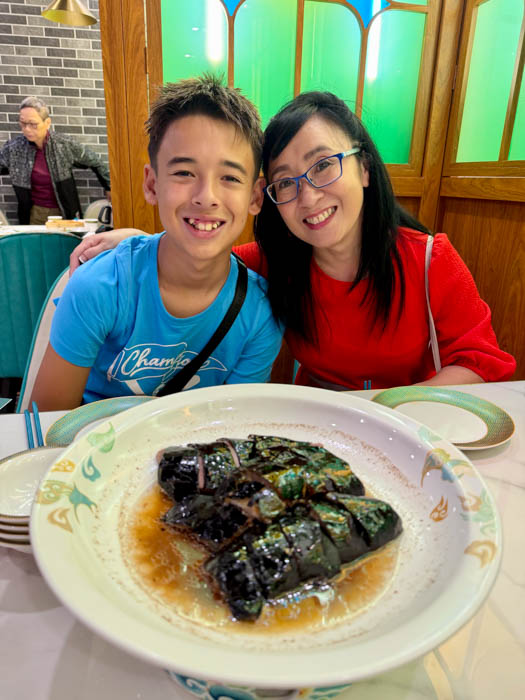
The food itself was exceptional — beautifully presented, carefully paced, and clearly designed to impress. But interestingly, it wasn’t the local Cantonese street-style cuisine we’d been expecting. This was something more refined, more international in influence, almost curated to suit a different kind of audience.

For the boys, the novelty was in the setting — their own private room, the formality of it all. For Kim, it was a chance to reconnect. And for me, it was the atmosphere that lingered — the sense that behind every closed door, a different story was unfolding.

It was a completely different side of Guangzhou.

Not the chaotic, open, street-level city we’d come to know — but something quieter, more controlled, and in its own way, just as revealing.
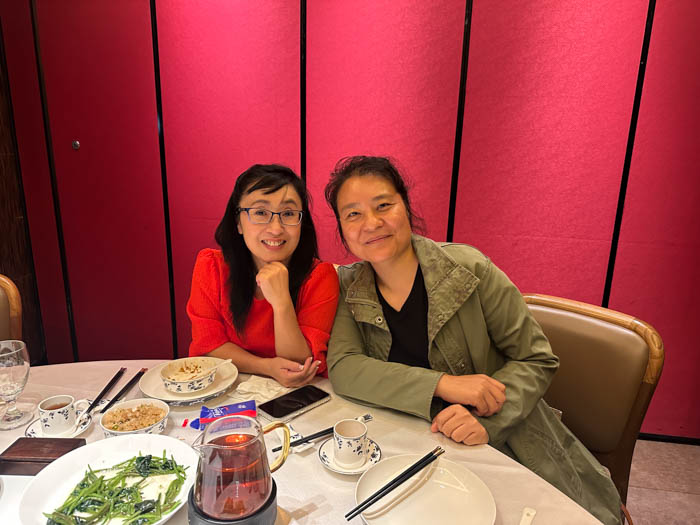
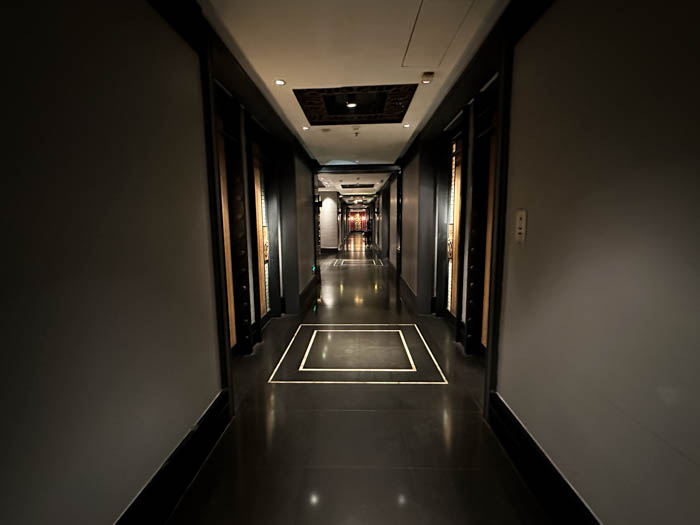


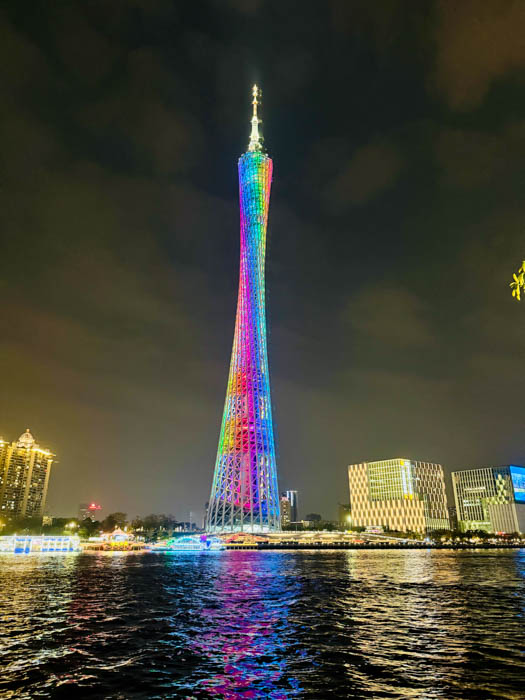
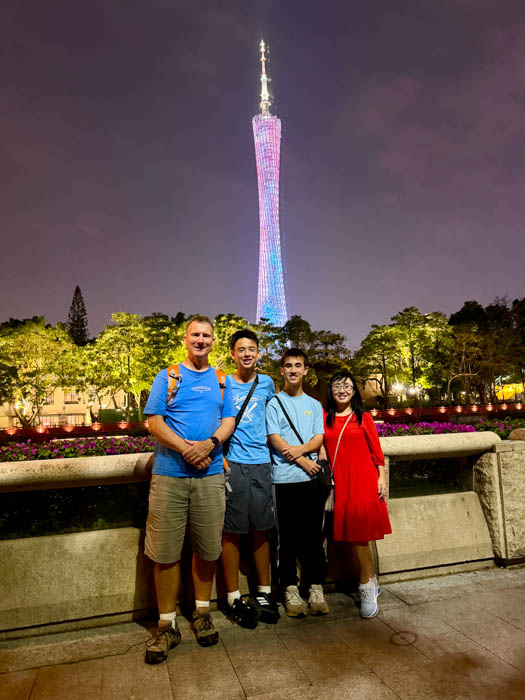
After dinner, we stepped back out into the night and made our way down to the river, drawn by the glow of the Canton Tower rising in the distance.

If the restaurant had felt enclosed and hidden, this was the complete opposite.

The Pearl River opens everything up. Wide promenades, open air, and a steady flow of people out enjoying the evening — families, couples, groups of friends, all moving at a slower, more relaxed pace than the daytime rush.

And then there’s the tower.

Up close, the Canton Tower doesn’t just dominate the skyline — it feels almost unreal. Its twisting structure is lit in shifting colours, constantly changing, reflecting off the river below. Boats drift past, their own lights adding to the scene, and the whole area takes on a slightly surreal, almost cinematic feel.

The boys were immediately drawn to the energy of it — the lights, the movement, the scale. For them, this was Guangzhou at its most exciting.

The Pearl River has been the lifeblood of Guangzhou for centuries — the reason the city became one of China’s most important trading ports, connecting it to the outside world long before the skyscrapers arrived.

Now, instead of trading ships, it’s light shows and river cruises.
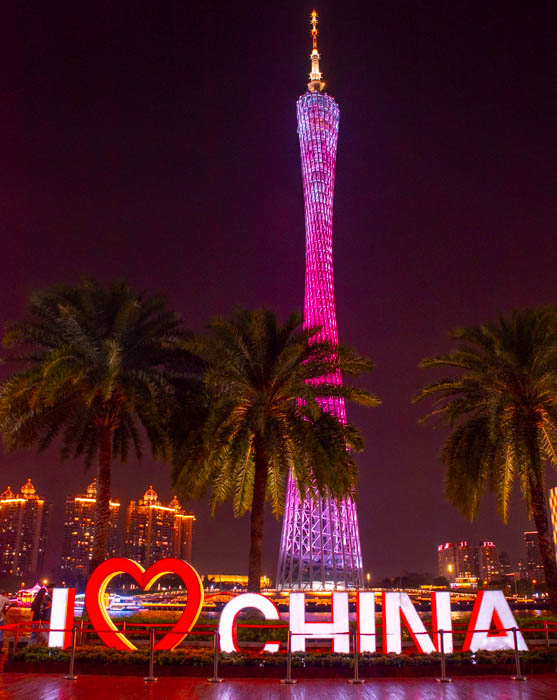


Somewhere in the middle of Guangzhou’s busy streets, we stumbled across something completely unexpected — and for Lucas, it may well have been the highlight of the entire city.

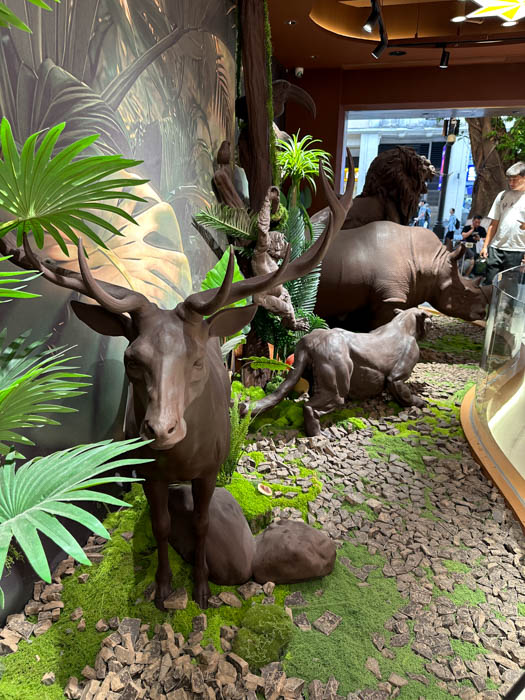
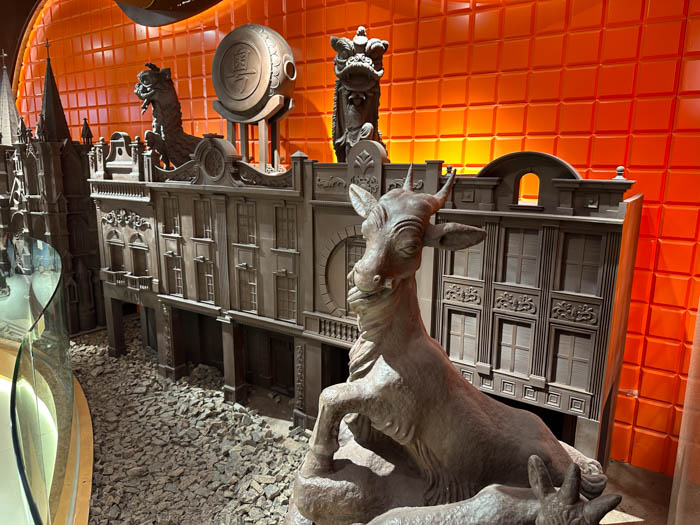
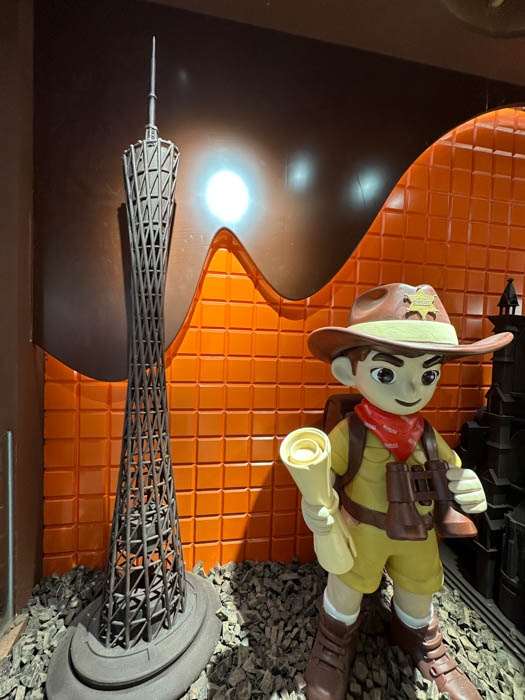
A shop where everything looked like it belonged in a museum… but was made entirely of chocolate.

Not just small displays or decorative pieces, but full-scale creations. Life-sized animals stood frozen mid-step — elephants, giraffes, creatures you’d expect to find on the African savannah, not in a shop in southern China. Alongside them were intricate replicas of local architecture, temples and buildings recreated in astonishing detail, all in chocolate.

At first, it didn’t quite register. The level of craftsmanship made it hard to believe it wasn’t carved wood or painted resin. But the closer you looked, the more surreal it became — every surface, every texture, every tiny detail… chocolate.

Lucas was completely in his element.

You could see the internal conflict playing out — admiration versus appetite. Was this something to photograph, or something to eat? (The answer, unfortunately, was mostly the former.)


5. February 2026 16:02
by Rene Pallesen
0 Comments

Cook Islands - Snorkeling

5. February 2026 16:02 by Rene Pallesen | 0 Comments

We went snorkeling in the lagoon


5. February 2026 16:02
by Rene Pallesen
0 Comments

Cook Islands - Long Boat

5. February 2026 16:02 by Rene Pallesen | 0 Comments

On a rainy afternoon we went in a longboat. The idiot at the back almost got all of us killed by hav
On a rainy afternoon we went in a longboat. The idiot at the back almost got all of us killed by having no idea how to steer (that was his one job) and landed us on the outer reef.


5. February 2026 16:02
by Rene Pallesen
0 Comments

Cook Island - Turtles

5. February 2026 16:02 by Rene Pallesen | 0 Comments

One day we went snorkeling with the turtles in the lagoon.


5. February 2026 16:02
by Rene Pallesen
0 Comments

Cook Islands - Boys at Black Rock Beach

5. February 2026 16:02 by Rene Pallesen | 0 Comments

I also took some photos of the boys at Black Rock Beach.


5. February 2026 15:02
by Rene Pallesen
0 Comments

Cook Islands 2026

5. February 2026 15:02 by Rene Pallesen | 0 Comments

This year we decided to travel to Rarotonga in Cook Islands. Some of the immediate family booked at

This year we decided to travel to Rarotonga in Cook Islands. Some of the immediate family booked at the same time so that we 
had some days together.


5. February 2026 15:02
by Rene Pallesen
0 Comments

Cook Islands - dogs and other animals

5. February 2026 15:02 by Rene Pallesen | 0 Comments

The islands have a lot of very friendly dogs. A lot of them are unique that they are large dogs with
The islands have a lot of very friendly dogs. A lot of them are unique that they are large dogs with very short legs.

They are also able to feed themselves by catching and eating fish in the lagoon. There are also a lot of chicken (especially roosters) on the island.


5. February 2026 15:02
by Rene Pallesen
0 Comments

Cook Islands - Games

5. February 2026 15:02 by Rene Pallesen | 0 Comments

Other times were spent playing games - Dark, Snooker Fuzball, building cairns and chasing crabs.


Perfect Moments Photography | A Rene Pallesen Journal

Home

27. March 2019 14:03
by Rene Pallesen
0 Comments

Nikko - Japan

27. March 2019 14:03 by Rene Pallesen | 0 Comments


25. March 2019 10:03
by Rene Pallesen
0 Comments

Australian Formula 1 grand prix

25. March 2019 10:03 by Rene Pallesen | 0 Comments

On the weekend I went to the Formula 1 grand prix in Melbourne. It was a work sponsored event with o
On the weekend I went to the Formula 1 grand prix in Melbourne. It was a work sponsored event with one of our vendors and great access to see the race and the pits.

Here is some of the photos from the event.


5. February 2019 11:02
by Rene Pallesen
0 Comments

Japan - Akihababa

5. February 2019 11:02 by Rene Pallesen | 0 Comments


5. February 2019 09:02
by Rene Pallesen
0 Comments

Japan - Shinjuku

5. February 2019 09:02 by Rene Pallesen | 0 Comments


Perfect Moments Photography | A Rene Pallesen Journal

Home

8. January 2018 18:01
by Rene Pallesen
0 Comments

Vang Vieng - Caves

8. January 2018 18:01 by Rene Pallesen | 0 Comments

In Vang Vieng we also went to some caves. Again we were the only ones there - I don't know if this w
In Vang Vieng we also went to some caves. Again we were the only ones there - I don't know if this was just because no one else were interested or because we went there at a time when everyone else were doing other activities.

The caves are in fairly pristine condition, they are dark, moist and other than descending a makeshift ladder walking through them gives a feeling of exploring the caves for the very first time.


Some passages were really narrow


And other parts of the caves were massive.


Overall the caves are beautiful and again it was amazing having them to ourselves.


7. January 2018 21:01
by Rene Pallesen
0 Comments

Tribes - Laos

7. January 2018 21:01 by Rene Pallesen | 0 Comments

The tribes of Laos still exist although it is no longer as noticeable. They no longer wear their tra
The tribes of Laos still exist although it is no longer as noticeable.

They no longer wear their traditional costumes but it is possible to glimpse the occasional traditional head wear or dress in one of the shops.


It is especially sad to see the Hmong tribal wear gone as worn below by Mavis and Kim. The Hmong traditionally lived in the mountains. The government has forced them down into the lowlands where they can be controlled and 'integrated' into the the rest of Laos.


6. January 2018 20:01
by Rene Pallesen
0 Comments

Vang Vieng Countryside - Laos

6. January 2018 20:01 by Rene Pallesen | 0 Comments

On the first day in Vang Vieng we hired a local guide to take us through the country side and some o
On the first day in Vang Vieng we hired a local guide to take us through the country side and some of the villages around Vang Vieng.


Hiking through the countryside in Laos is partly magical and at the same time an eye opener. It is not until you get into the country side that you get a glimse of the real Laos and its people, the way of living and their beliefs.

Walking into the first village a group of boys came walking towards us. One of the kids was holding his head with blood dripping down his face. The other boys were taking him home to his parents. I couldn't help but notice that there was a green substance smeared across the wound and asked our guide is he knew what it was. He went over to some bushes and plucked a couple of leaves and said that if you crush them then they will help stop the bleeding. This is when you realise that a lot of the plants in the villages serve a purpose as natural herbal medicine or for eating.

The village was a HMong village and at one of the houses we spotted the little girl above standing in a door opening with her grand mother. There are very few of the traditional bamboo shacks still standing and instead being replaced with brick buildings.


A bit further up the road we heard a sound. Someone was hitting a gong and chanting. Thinking it might be a monk we went to investigate. The sound was coming from one of the local houses. At the back of the house the family was in the process of preparing food, but we couldn't see where the sound was coming from. Our guide asked them and was told that they had a newborn (possibly sick) child and that the Shaman was in the house talking to the 'other world to' attract the good spirits and chase the evil spirits away.


As we walked on we could see him through the opening of the door and I snapped the above photo which is one of my favourite photos of the trip.

In the village people go about their normal life such as this woman removing lice from her daughters hair.


As we walked on we had to walk through the local school. It happened to be recess and the kids in the smaller classes were outside playing.


There was a small stand selling them lunches who also sold lollies, so Kim got the idea to spoil the kids with lollies - but also turned out to be a great opportunity for our kids to interact and see what a classroom in Laos looks like.


The area is still very un-developed. Although there seems to be electricity, this is mainly used for lighting. Cooking is still done by collecting wood and done on wood fired stoves and people still wash their clothes in the rivers and streams.


Although there are still a number of water buffaloes these are mainly used for eating along with any other non-human living animal - such as pigs, dogs, birds etc.


It was very healthy for the boys to see where their food 'potentially' comes from and understand that this is part of life.

The area is full of rice paddies, but these are now worked with mechanical tools rather than buffaloes.


The government has built bridges across the large river to allow access to the villages.


But the smaller streams have bamboo bridges - in this case wide enough to drive a motorbike across, others just a single bamboo to allow a person walk across.


At the far village (Lao and not Hmong) there was a limestone cliff with a small cave in it. This was called elephant cave and inside there was a small shrine along with some bizarre images.


The whole area is spectacular - I can only imagine what it would be like during rice planting season - yes it would be muddy but also stunningly beautiful.


During this whole hike we saw no other travelers. Other than at the cave we didn't get a sense that there frequently came any groups through and I think the feedback from all of us was that this was one of the highlights of the trip - no adrenaline required.

5. January 2018 16:01
by Rene Pallesen
0 Comments

Vang Vieng - Laos

5. January 2018 16:01 by Rene Pallesen | 0 Comments

Vang Vieng is an interesting tourism destination in Laos that has undergone several iterations of re
Vang Vieng is an interesting tourism destination in Laos that has undergone several iterations of re-inventing itself.


When I first visited for an overnight stopover it was a sleepy little town with maybe a handful of backpackers going tubing (more on that later).
I also remember the deserted airport runway from the 'secret war' going through the sleepy little village (Lima site 6) and the stunning mountain scenery in the background. Other than that there wasn't much there.


Ten years later my mum and dad visited the place and told me stories how the place had transformed. It had grown and was full of drunk backpackers with loud rave music and parties throughout the night. During the day they were floating down the river in car tubes again with beers and drinks in their hands.


Then again about 5 years ago, Laos appeared in the Australian news media with stories of young backpackers breaking their necks doing somersaults off the tree branches on the river and lagoons and hitting the rocks. Stories of high highly available drugs were also emerged.

The Lao government stepped in and closed the majority of the bars along the river, stopped the parties and the drugs and implemented a number of other safety restrictions.
It worked, the parties stopped and the young party seeking backpackers fled.

A new crowd has now moved in - this is bus loads of adrenaline seeking Koreans. They go there to go kayaking, zip lining, tubing, buggy riding etc. They eat at the Korean restaurants and stay at the same hotels, but otherwise mostly keep to themselves. This also means that some of the same old sleepy feeling has returned to this town. It also meant that is was easy (or just plain luck from our side) to avoid the tourists.

The airstrip is still there, but I recon most visitors would walk across it and not notice and definitely wouldn't know the history behind the secret war in Laos, let alone the American involvement and the little airstrips around the place. It is a fascinating story and has very much shaped Laos into what it is today.


The area is just absolutely stunning with steep limestone cliffs and rice paddies. I could easily have spent more time there taking photos in the surrounding area.


3. January 2018 21:01
by Rene Pallesen
0 Comments

Pha That Luang - Laos

3. January 2018 21:01 by Rene Pallesen | 0 Comments

A must see in Vientiane is Pha That Luang - It is on every bank note in Laos and they are very proud
A must see in Vientiane is Pha That Luang - It is on every bank note in Laos and they are very proud of it.


Unlike Buddha Park it is surprisingly quiet when it comes to tourists. The majority of people visiting seems to be either Laos or Thai people offering a prayer. The correct way here is to get the insense and flowers and then walk clockwise around the Stuba on the inside of the covered corridor (mostly to keep out of the sun I assume).


Although it is not particularly old (The original 1st century structure was mostly destroyed and has undergone a number of more recent restorations), it is stunningly beautiful and impressive in size.


For me to get some of the panorama photos here with the selection of lenses I'd brought along I had to take multiple photos that I then had to stitch together.

Outside there is a temple that is equally interesting, although nothing compared to further north in Luang Prabang.


There are also street vendors selling cage birds that are supposed to bring good luck and prayers to anyone releasing them.


2. January 2018 10:01
by Rene Pallesen
0 Comments

Buddha Park - Laos

2. January 2018 10:01 by Rene Pallesen | 0 Comments

One of the sights we wanted to visit was Buddha Park outside Vientiane (close to the border crossing
One of the sights we wanted to visit was Buddha Park outside Vientiane (close to the border crossing back into Thailand).


Trying to figure out the most comfortable way to get there we settled on taking the local bus. There aren't any taxis as such in Vientiane and we weren't keen taking a tuk-tuk for 30 kilometers. Most of the tuk-tuks are in an extremely poor shape with failing brakes, wobbling wheels and thick smoke coming out of the exhaust pipes.
They are perfectly fine for shorter trips inside the city (such as hotel to bus station), but not recommended for longer trips.

The bus turned out to be easy to find and we were early enough to all get a seat. The bus was later packed with passengers going to Thailand and it would have been tough to stand up for the one hour bus ride.

The bus is also really convenient in that it stops right outside Buddha Park which is the last stop before the bus turns around and heads back to Vientiane.


Buddha Park itself was apparently established by a Monk building the statues for religious purposes as education of his religious beliefs.


It is actually a nice little area and quite interesting with lots of (to us) weird statues showing bizarre things.


The most obvious is the massive 'pumpkin' at the entrance that you can climb. Each level inside the the sculpture itself represents hell, earth and sky.


The entrance is a head with a clock above it - meaning swallowed up by time?


There is also a massive reclining buddha.


And my favourite was the large centre sculpture carrying the body of a woman...no idea what this is supposed to represent.

2. January 2018 09:01
by Rene Pallesen
0 Comments

Vientiane - Laos

2. January 2018 09:01 by Rene Pallesen | 0 Comments

Vientiane is no longer the sleepy capital city it used to be. It is hustling and bustling with peopl
Vientiane is no longer the sleepy capital city it used to be. It is hustling and bustling with people, cars, motorbikes and shops everywhere.


The once neglected colonial buildings have all been renovated and the red dust flying everywhere is long gone as the roads have been paved. In the outskirts of the city high-rise office towers have started shooting up and I think that given another decade this city will look like any other East Asian capital.


The most striking difference was the banks of the Mekong River. Last time I was there it was really just a dirty path and following it north long enough there would be a string of wooden shacks with local restaurants that would serve some beautiful local dishes, fish and other seafood.
The water then would come right up to the bank and the boats could pull up and during the day the local kids would jump from the trees and swim in the river.
The old path has been replaced by a modern walk way (which actually is really nice) and the shacks have been replaced by some bars closer to the centre catering more for a western clientel - still with some nice seafood on the menu. The water of the Mekon has receeded and there is now a massive sand bank moving the river 2-300 meter back from the city.

Although Vientiane doesn't have a massive amount of things to see, it is definitely worth a visit. The Wats are beautiful and the vertical runway (local Arc de Triumpe - called so because they used cement intended for building an airport) is worth the climb to get a view of the city (and the main road which used to be the only paved road). There is certainly plenty to do for a couple of days.


About 100 meters from the Arc down a side street we had what was probably the best noodle soup of the whole trip. It was just a local mum, dad and grandma run place and it met the critia of being busy having locals eating there which means that it is likely that the food is good and relative fresh.


Even with it being in the middle of the city there was no access to gas or running water, so everything was cooked over wood fired stoves with the broth for the soups likely cooking overnight and the rest cooked fresh on the spot.


On the first afternoon we were sitting in a local coffee place and I started speaking to the girl working there. I asked her for local places to eat great authentic Lao food - not touristy. She recommended a place up neat That Dam (the black stuba) called Soukvinam and she showed me some photos. It looked more like a fine dining place, but the food looked delicious so we decided to give it a go.


It was a quiet place with a nice ambience. We were sitting outside in the courtyard which was ideal with the kids. We ordered a lot of food sticking to specialties we had never tried before such as stuffed frogs, fermented fish eggs etc. and it was all really nice.


By Lao standards it probably wasn't cheap, but for the whole group of us the entire meal ended up costing approximately $100 AUD. On that 'note' it is easy to be an instant millionaire as a foreigner in Laos - change $150 Australian dollars you are there.


We also celebrated New Years Even in Vientiane which was fairly low key with a couple of late night drinks.


1. January 2018 21:01
by Rene Pallesen
0 Comments

Returning to Laos

1. January 2018 21:01 by Rene Pallesen | 0 Comments

Returning to Laos
This year our holiday was going to a country in South East Asia called to the Laos with the boys and some close friends. I went there almost 20 years ago. I had just migrated to Australia and was going on my first holiday. Laos which had only just been opened up by the communist regime, was very much undeveloped after two decades of isolation and happened to be one of the first places I visited in Asia and it was a country that I immediately fell in love with.

It wasn’t the things to see and do in the country that I fell in love with - but the people. I loved the smiles, how welcoming everyone was, and I especially loved the joy of the dirty kids playing in the streets. Everyone was living at very simple lifestyle and yet everyone had what they needed and were happy.


Back then I had no firm plans, but made them up as I went along. I traveled light, caught local transport, I met locals and other travelers along the way on a budget of less than $10/day, and still remember the sticky rice sold to passengers when passing through towns.


I had some incredible experiences in an amazing country. I managed to have a full busload full of locals break down laughing from me trying to read up sentences from my little pocket Lao phrase book. Through this I was invited to visit families and join their local celebrations through festive events. The only local I met up in Northern Laos who could English was a girl working for an NGO. She invited me to join her visits to remote local villages where we had to cross the rivers on bamboo rafts to get to them and experienced the local dragon boat racing.

Since this distant time I had heard and lots about the country from other travelers including my Mum and Dad who visited the country ten years ago. I heard how the country had changed and how mass tourism had ruined the experience. I had heard about the young backpacker rave parties, the drugs and adrenaline junkies in Vang Vieng. I heard about the modernization, cars and traffic in Vientiane.

Going back with family and friends I was worried that they wouldn’t see the country that I saw so many years ago. There isn’t a lot of historical sites to see in Laos other than in Luang Prabang where there are lots of Temples due to many wars destroying major parts of the country. More worried was I that I would be disappointed by the country and the people I saw back then being no more.


When we got there it turned out that, yes, the country has changed a lot. Lots of roads have been paved, there are lots of cars everywhere, the old colonial buildings have been renovated and all the houses are now built in brick and mortar instead of being wooden bamboo shacks. People are on mobile phones, the kids are watching youtube videos, every hotel has wifi, you can buy everything, and major investments are flowing in from neighboring Thailand, China and Vietnam.

There are a lot more tourists in the country, especially in Vang Vieng and Luang Prabang, but they are a different type of tourists than the ones I was dreading.The backpackers have been replaced with mainly adrenalin loving Korean tourists or wealthier middle-aged Europeans and the era of party fueled backpacker tourism is largely gone.


And most importantly getting outside the towns, the Laos I loved back then still very much exists if you go look for it. The modern tourists are surprisingly easy to avoid. They all stay in the same places and visit the same top ten sites or visit the same restaurants that Tripadvisor recommended they go to. They go back home and tell everyone that they have experienced Laos, not knowing that their comfort has eluded them of the real magic of Laos.


The Lao people everywhere are still very loving, smiling and friendly, there are dirty kids, chickens, cows, dogs and cats roaming the streets everywhere and the remnants of the old tribes that I saw back then still exists through their ancient traditions although the traditional costumes and houses are largely gone now due to government policies.


Had we gone even further afield that we did on this trip, I’m convinced that little has changed in those villages I once visited two decades ago. Prior to going I was scared what I would find there, but now I feel blessed that my family and friends have experienced some of the glimpses of ‘my’ Laos together with me…Laos still has a big place in my heart.


9. October 2017 12:10
by Rene Pallesen
0 Comments

Kims old photos

9. October 2017 12:10 by Rene Pallesen | 0 Comments

Kims dad has some old photos hanging of Kim when she was little.This is Kims mum when she was young.
Kims dad has some old photos hanging of Kim when she was little.


This is Kims mum when she was young.


This is Kims dad when he was young