Home

7. January 2018 21:01
by Rene Pallesen
0 Comments

Tribes - Laos

7. January 2018 21:01 by Rene Pallesen | 0 Comments

The tribes of Laos still exist although it is no longer as noticeable. They no longer wear their tra
The tribes of Laos still exist although it is no longer as noticeable.

They no longer wear their traditional costumes but it is possible to glimpse the occasional traditional head wear or dress in one of the shops.


It is especially sad to see the Hmong tribal wear gone as worn below by Mavis and Kim. The Hmong traditionally lived in the mountains. The government has forced them down into the lowlands where they can be controlled and 'integrated' into the the rest of Laos.


6. January 2018 20:01
by Rene Pallesen
0 Comments

Vang Vieng Countryside - Laos

6. January 2018 20:01 by Rene Pallesen | 0 Comments

On the first day in Vang Vieng we hired a local guide to take us through the country side and some o
On the first day in Vang Vieng we hired a local guide to take us through the country side and some of the villages around Vang Vieng.


Hiking through the countryside in Laos is partly magical and at the same time an eye opener. It is not until you get into the country side that you get a glimse of the real Laos and its people, the way of living and their beliefs.

Walking into the first village a group of boys came walking towards us. One of the kids was holding his head with blood dripping down his face. The other boys were taking him home to his parents. I couldn't help but notice that there was a green substance smeared across the wound and asked our guide is he knew what it was. He went over to some bushes and plucked a couple of leaves and said that if you crush them then they will help stop the bleeding. This is when you realise that a lot of the plants in the villages serve a purpose as natural herbal medicine or for eating.

The village was a HMong village and at one of the houses we spotted the little girl above standing in a door opening with her grand mother. There are very few of the traditional bamboo shacks still standing and instead being replaced with brick buildings.


A bit further up the road we heard a sound. Someone was hitting a gong and chanting. Thinking it might be a monk we went to investigate. The sound was coming from one of the local houses. At the back of the house the family was in the process of preparing food, but we couldn't see where the sound was coming from. Our guide asked them and was told that they had a newborn (possibly sick) child and that the Shaman was in the house talking to the 'other world to' attract the good spirits and chase the evil spirits away.


As we walked on we could see him through the opening of the door and I snapped the above photo which is one of my favourite photos of the trip.

In the village people go about their normal life such as this woman removing lice from her daughters hair.


As we walked on we had to walk through the local school. It happened to be recess and the kids in the smaller classes were outside playing.


There was a small stand selling them lunches who also sold lollies, so Kim got the idea to spoil the kids with lollies - but also turned out to be a great opportunity for our kids to interact and see what a classroom in Laos looks like.


The area is still very un-developed. Although there seems to be electricity, this is mainly used for lighting. Cooking is still done by collecting wood and done on wood fired stoves and people still wash their clothes in the rivers and streams.


Although there are still a number of water buffaloes these are mainly used for eating along with any other non-human living animal - such as pigs, dogs, birds etc.


It was very healthy for the boys to see where their food 'potentially' comes from and understand that this is part of life.

The area is full of rice paddies, but these are now worked with mechanical tools rather than buffaloes.


The government has built bridges across the large river to allow access to the villages.


But the smaller streams have bamboo bridges - in this case wide enough to drive a motorbike across, others just a single bamboo to allow a person walk across.


At the far village (Lao and not Hmong) there was a limestone cliff with a small cave in it. This was called elephant cave and inside there was a small shrine along with some bizarre images.


The whole area is spectacular - I can only imagine what it would be like during rice planting season - yes it would be muddy but also stunningly beautiful.


During this whole hike we saw no other travelers. Other than at the cave we didn't get a sense that there frequently came any groups through and I think the feedback from all of us was that this was one of the highlights of the trip - no adrenaline required.

5. January 2018 16:01
by Rene Pallesen
0 Comments

Vang Vieng - Laos

5. January 2018 16:01 by Rene Pallesen | 0 Comments

Vang Vieng is an interesting tourism destination in Laos that has undergone several iterations of re
Vang Vieng is an interesting tourism destination in Laos that has undergone several iterations of re-inventing itself.


When I first visited for an overnight stopover it was a sleepy little town with maybe a handful of backpackers going tubing (more on that later).
I also remember the deserted airport runway from the 'secret war' going through the sleepy little village (Lima site 6) and the stunning mountain scenery in the background. Other than that there wasn't much there.


Ten years later my mum and dad visited the place and told me stories how the place had transformed. It had grown and was full of drunk backpackers with loud rave music and parties throughout the night. During the day they were floating down the river in car tubes again with beers and drinks in their hands.


Then again about 5 years ago, Laos appeared in the Australian news media with stories of young backpackers breaking their necks doing somersaults off the tree branches on the river and lagoons and hitting the rocks. Stories of high highly available drugs were also emerged.

The Lao government stepped in and closed the majority of the bars along the river, stopped the parties and the drugs and implemented a number of other safety restrictions.
It worked, the parties stopped and the young party seeking backpackers fled.

A new crowd has now moved in - this is bus loads of adrenaline seeking Koreans. They go there to go kayaking, zip lining, tubing, buggy riding etc. They eat at the Korean restaurants and stay at the same hotels, but otherwise mostly keep to themselves. This also means that some of the same old sleepy feeling has returned to this town. It also meant that is was easy (or just plain luck from our side) to avoid the tourists.

The airstrip is still there, but I recon most visitors would walk across it and not notice and definitely wouldn't know the history behind the secret war in Laos, let alone the American involvement and the little airstrips around the place. It is a fascinating story and has very much shaped Laos into what it is today.


The area is just absolutely stunning with steep limestone cliffs and rice paddies. I could easily have spent more time there taking photos in the surrounding area.


3. January 2018 21:01
by Rene Pallesen
0 Comments

Pha That Luang - Laos

3. January 2018 21:01 by Rene Pallesen | 0 Comments

A must see in Vientiane is Pha That Luang - It is on every bank note in Laos and they are very proud
A must see in Vientiane is Pha That Luang - It is on every bank note in Laos and they are very proud of it.


Unlike Buddha Park it is surprisingly quiet when it comes to tourists. The majority of people visiting seems to be either Laos or Thai people offering a prayer. The correct way here is to get the insense and flowers and then walk clockwise around the Stuba on the inside of the covered corridor (mostly to keep out of the sun I assume).


Although it is not particularly old (The original 1st century structure was mostly destroyed and has undergone a number of more recent restorations), it is stunningly beautiful and impressive in size.


For me to get some of the panorama photos here with the selection of lenses I'd brought along I had to take multiple photos that I then had to stitch together.

Outside there is a temple that is equally interesting, although nothing compared to further north in Luang Prabang.


There are also street vendors selling cage birds that are supposed to bring good luck and prayers to anyone releasing them.


2. January 2018 10:01
by Rene Pallesen
0 Comments

Buddha Park - Laos

2. January 2018 10:01 by Rene Pallesen | 0 Comments

One of the sights we wanted to visit was Buddha Park outside Vientiane (close to the border crossing
One of the sights we wanted to visit was Buddha Park outside Vientiane (close to the border crossing back into Thailand).


Trying to figure out the most comfortable way to get there we settled on taking the local bus. There aren't any taxis as such in Vientiane and we weren't keen taking a tuk-tuk for 30 kilometers. Most of the tuk-tuks are in an extremely poor shape with failing brakes, wobbling wheels and thick smoke coming out of the exhaust pipes.
They are perfectly fine for shorter trips inside the city (such as hotel to bus station), but not recommended for longer trips.

The bus turned out to be easy to find and we were early enough to all get a seat. The bus was later packed with passengers going to Thailand and it would have been tough to stand up for the one hour bus ride.

The bus is also really convenient in that it stops right outside Buddha Park which is the last stop before the bus turns around and heads back to Vientiane.


Buddha Park itself was apparently established by a Monk building the statues for religious purposes as education of his religious beliefs.


It is actually a nice little area and quite interesting with lots of (to us) weird statues showing bizarre things.


The most obvious is the massive 'pumpkin' at the entrance that you can climb. Each level inside the the sculpture itself represents hell, earth and sky.


The entrance is a head with a clock above it - meaning swallowed up by time?


There is also a massive reclining buddha.


And my favourite was the large centre sculpture carrying the body of a woman...no idea what this is supposed to represent.

2. January 2018 09:01
by Rene Pallesen
0 Comments

Vientiane - Laos

2. January 2018 09:01 by Rene Pallesen | 0 Comments

Vientiane is no longer the sleepy capital city it used to be. It is hustling and bustling with peopl
Vientiane is no longer the sleepy capital city it used to be. It is hustling and bustling with people, cars, motorbikes and shops everywhere.


The once neglected colonial buildings have all been renovated and the red dust flying everywhere is long gone as the roads have been paved. In the outskirts of the city high-rise office towers have started shooting up and I think that given another decade this city will look like any other East Asian capital.


The most striking difference was the banks of the Mekong River. Last time I was there it was really just a dirty path and following it north long enough there would be a string of wooden shacks with local restaurants that would serve some beautiful local dishes, fish and other seafood.
The water then would come right up to the bank and the boats could pull up and during the day the local kids would jump from the trees and swim in the river.
The old path has been replaced by a modern walk way (which actually is really nice) and the shacks have been replaced by some bars closer to the centre catering more for a western clientel - still with some nice seafood on the menu. The water of the Mekon has receeded and there is now a massive sand bank moving the river 2-300 meter back from the city.

Although Vientiane doesn't have a massive amount of things to see, it is definitely worth a visit. The Wats are beautiful and the vertical runway (local Arc de Triumpe - called so because they used cement intended for building an airport) is worth the climb to get a view of the city (and the main road which used to be the only paved road). There is certainly plenty to do for a couple of days.


About 100 meters from the Arc down a side street we had what was probably the best noodle soup of the whole trip. It was just a local mum, dad and grandma run place and it met the critia of being busy having locals eating there which means that it is likely that the food is good and relative fresh.


Even with it being in the middle of the city there was no access to gas or running water, so everything was cooked over wood fired stoves with the broth for the soups likely cooking overnight and the rest cooked fresh on the spot.


On the first afternoon we were sitting in a local coffee place and I started speaking to the girl working there. I asked her for local places to eat great authentic Lao food - not touristy. She recommended a place up neat That Dam (the black stuba) called Soukvinam and she showed me some photos. It looked more like a fine dining place, but the food looked delicious so we decided to give it a go.


It was a quiet place with a nice ambience. We were sitting outside in the courtyard which was ideal with the kids. We ordered a lot of food sticking to specialties we had never tried before such as stuffed frogs, fermented fish eggs etc. and it was all really nice.


By Lao standards it probably wasn't cheap, but for the whole group of us the entire meal ended up costing approximately $100 AUD. On that 'note' it is easy to be an instant millionaire as a foreigner in Laos - change $150 Australian dollars you are there.


We also celebrated New Years Even in Vientiane which was fairly low key with a couple of late night drinks.


1. January 2018 21:01
by Rene Pallesen
0 Comments

Returning to Laos

1. January 2018 21:01 by Rene Pallesen | 0 Comments

Returning to Laos
This year our holiday was going to a country in South East Asia called to the Laos with the boys and some close friends. I went there almost 20 years ago. I had just migrated to Australia and was going on my first holiday. Laos which had only just been opened up by the communist regime, was very much undeveloped after two decades of isolation and happened to be one of the first places I visited in Asia and it was a country that I immediately fell in love with.

It wasn’t the things to see and do in the country that I fell in love with - but the people. I loved the smiles, how welcoming everyone was, and I especially loved the joy of the dirty kids playing in the streets. Everyone was living at very simple lifestyle and yet everyone had what they needed and were happy.


Back then I had no firm plans, but made them up as I went along. I traveled light, caught local transport, I met locals and other travelers along the way on a budget of less than $10/day, and still remember the sticky rice sold to passengers when passing through towns.
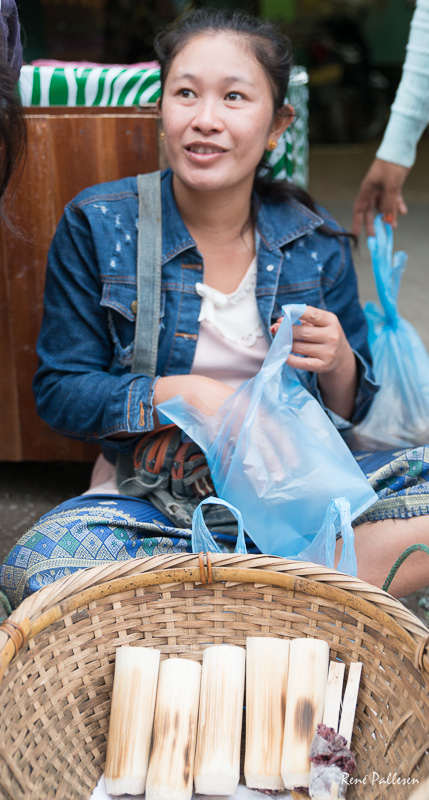
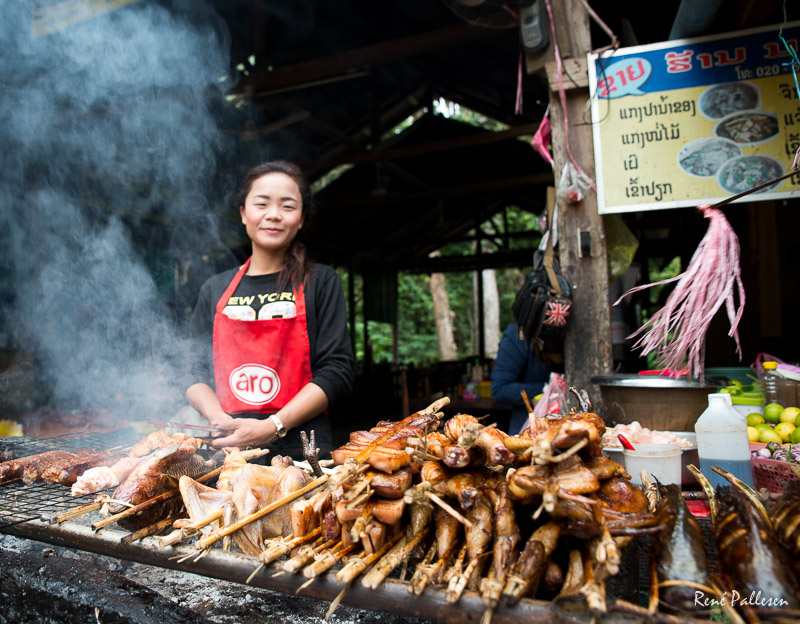


I had some incredible experiences in an amazing country. I managed to have a full busload full of locals break down laughing from me trying to read up sentences from my little pocket Lao phrase book. Through this I was invited to visit families and join their local celebrations through festive events. The only local I met up in Northern Laos who could English was a girl working for an NGO. She invited me to join her visits to remote local villages where we had to cross the rivers on bamboo rafts to get to them and experienced the local dragon boat racing.

Since this distant time I had heard and lots about the country from other travelers including my Mum and Dad who visited the country ten years ago. I heard how the country had changed and how mass tourism had ruined the experience. I had heard about the young backpacker rave parties, the drugs and adrenaline junkies in Vang Vieng. I heard about the modernization, cars and traffic in Vientiane.

Going back with family and friends I was worried that they wouldn’t see the country that I saw so many years ago. There isn’t a lot of historical sites to see in Laos other than in Luang Prabang where there are lots of Temples due to many wars destroying major parts of the country. More worried was I that I would be disappointed by the country and the people I saw back then being no more.
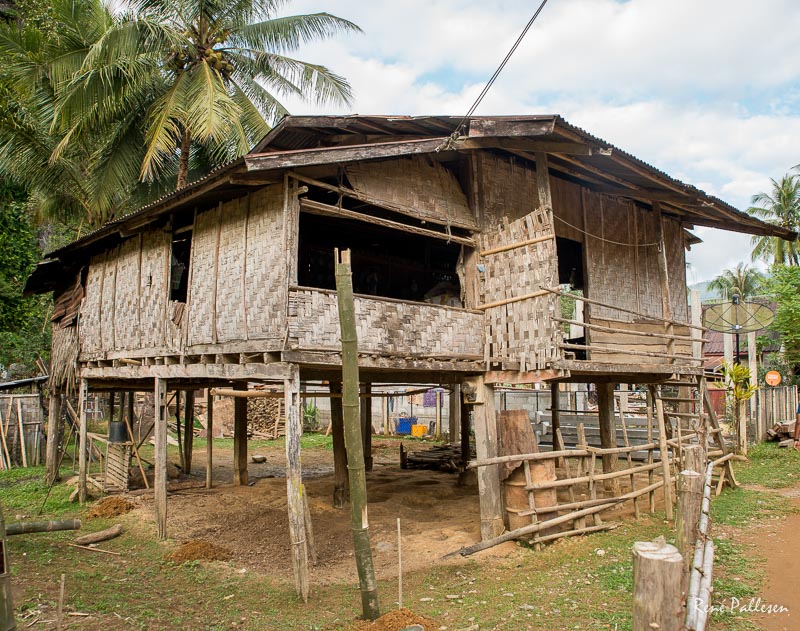


When we got there it turned out that, yes, the country has changed a lot. Lots of roads have been paved, there are lots of cars everywhere, the old colonial buildings have been renovated and all the houses are now built in brick and mortar instead of being wooden bamboo shacks. People are on mobile phones, the kids are watching youtube videos, every hotel has wifi, you can buy everything, and major investments are flowing in from neighboring Thailand, China and Vietnam.

There are a lot more tourists in the country, especially in Vang Vieng and Luang Prabang, but they are a different type of tourists than the ones I was dreading.The backpackers have been replaced with mainly adrenalin loving Korean tourists or wealthier middle-aged Europeans and the era of party fueled backpacker tourism is largely gone.
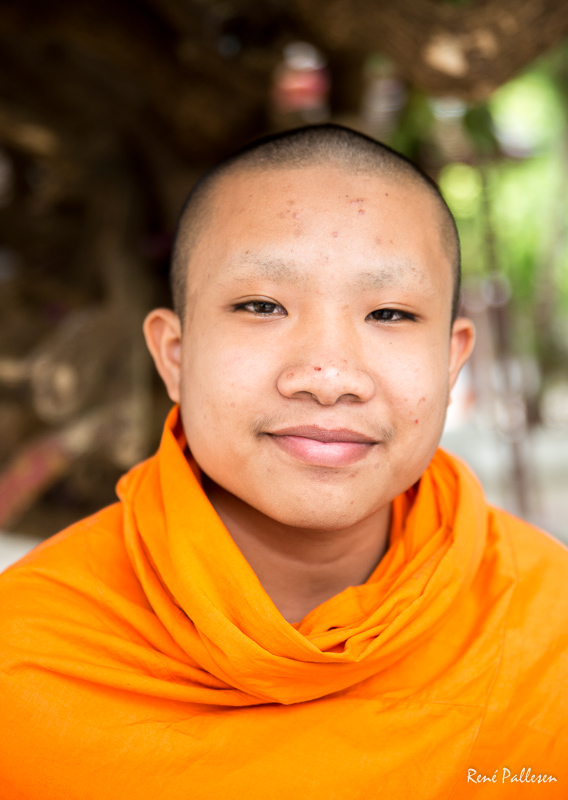


And most importantly getting outside the towns, the Laos I loved back then still very much exists if you go look for it. The modern tourists are surprisingly easy to avoid. They all stay in the same places and visit the same top ten sites or visit the same restaurants that Tripadvisor recommended they go to. They go back home and tell everyone that they have experienced Laos, not knowing that their comfort has eluded them of the real magic of Laos.
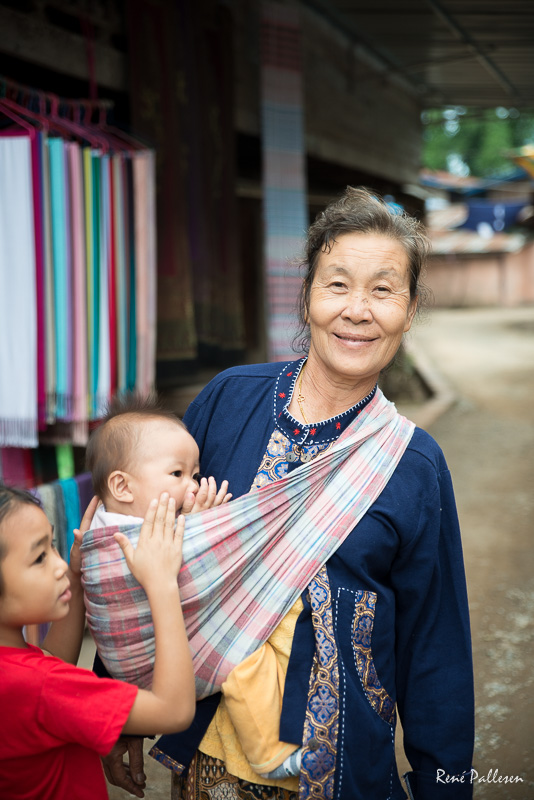


The Lao people everywhere are still very loving, smiling and friendly, there are dirty kids, chickens, cows, dogs and cats roaming the streets everywhere and the remnants of the old tribes that I saw back then still exists through their ancient traditions although the traditional costumes and houses are largely gone now due to government policies.


Had we gone even further afield that we did on this trip, I’m convinced that little has changed in those villages I once visited two decades ago. Prior to going I was scared what I would find there, but now I feel blessed that my family and friends have experienced some of the glimpses of ‘my’ Laos together with me…Laos still has a big place in my heart.


9. October 2017 12:10
by Rene Pallesen
0 Comments

Christmas 2016 - family photos

9. October 2017 12:10 by Rene Pallesen | 0 Comments

Here are some more photos from Christmas 2016


9. October 2017 12:10
by Rene Pallesen
0 Comments

Kims old photos

9. October 2017 12:10 by Rene Pallesen | 0 Comments

Kims dad has some old photos hanging of Kim when she was little.This is Kims mum when she was young.
Kims dad has some old photos hanging of Kim when she was little.


This is Kims mum when she was young.


This is Kims dad when he was young


9. October 2017 12:10
by Rene Pallesen
0 Comments

Malabar headland

9. October 2017 12:10 by Rene Pallesen | 0 Comments

Malabar headland is now open to the public. We have been there a few time now taking the kids walkin

Malabar headland is now open to the public. We have been there a few time now taking the kids walking.

Here are some photos from various walks.


Perfect Moments Photography | A Rene Pallesen Journal

Home

18. August 2011 07:02
by Rene Pallesen
0 Comments

Coastal drive to Trogir - Croatia

18. August 2011 07:02 by Rene Pallesen | 0 Comments

coastal drive to trogir croatia


The coastal drive from Dubrovnik back up to Trogir just north of Split is absolutely amazing. It follows the coastline closely all the way and it is both a fun drive and incredibly scenic. I found it better than the Great Ocean Road here in Australia.

One minute the road is really close to the water and you can see all these little bays with crystal clear water and sometimes with small beaches and people swimming. Next minute the road is up high and you get an incredible view of all the high mountains and islands off the coast. The whole route is dotted with small towns and beautiful little churches.

Click here for more photos

The road is really winding and does not have too much traffic on it, so it is a very pleasant and never boring. To complete the drive we also had to cross back into to Bosnia only to cross the border back into Croatia a few kilometers later.


Unfortunately both Kim and Aiden missed out on much of the scenery as they were sleeping most of the way.

Along the way we stopped in Markarska to get a bite to eat. It is an incredible little natural harbour with a steep backdrop to the mountains behind.

Click here to see more photos

Click here to see ore photos

We stopped for the night in a small island town called Trogir. It is a charming little town with narrow passageways and very nice little restaurants. It is very popular with the rich in their 150 foot motor boats.

Click here for more photos

Click here for more photos


Click here for more photos

Kim had found a hotel right in the centre of the old town so we had to park outside the city and then walk in. We were only staying for one night, so it was easy for us to just pack one bag and leave the rest of our things in the boot of the car.

Arriving to the hotel we found that the Aircon and TV wasn't working...we complained to the reception desk and they came to have a look at it. It turned out to have been turned off at the fuse box. We turned on the Aircon and it was quite noisy but at least it was somewhat working.

Kim went to have a shower and suddenly I heard a very loud vacumm cleaner type sound and then Kim started screaming. I went out to the bathroom and there was water and soap everywhere...the walls, the doors (even the outside of the door) and the floor. The Jacuzzi in the bathroom had suddenly automatically turned itself on in the middle of her shower and the off switch wasn't working. The only way we could turn it off was on the fuse box...so now we knew why it was off when we arrived.

This turned out to be probably the worst of the hotels (Hotel Fontana) that we stayed in...it was really unbearable hot in the room, we couldn't open the window because we would be attacked my moscitoes, and if we wanted to turn on the noisy aircondition then the jacuzzi would automatically start every 10 minutes and disrupt our sleep. And the included breakfast was also not worth writing home about.

But besides from that Trogir was very nice. We spent a fair bit of time getting lost in the small alleys. Kim would ask if I had any idea where we were or where we were going...and I'd say "No, we are definitely lost" (Trogir is a very small island so you are never truly lost).

Click here for more photos

Click here for more photos

16. August 2011 09:49
by Rene Pallesen
0 Comments

Dinner in Montenegro

16. August 2011 09:49 by Rene Pallesen | 0 Comments

dinner in montenegro


After the Peljesac Peninsular we thought we'd drive to Montenegro for dinner.

The border to Montenegro is about 30 kilometers from Dubrovnik and Herzeg Novi a coastal town is just on the other side of the border.

Crossing the border we saw a 2 kilometer long queue of cars trying to get back to Croatia. Every car was being stopped and checked for how many cigarettes they were bringing across. We though "Oh My...we have to get back through this is a couple of hours time". Fortunately by the time we returned the queue had cleared and we were processed really fast at the border.

It was a pleasant evening in the city and we had dinner along the seashore. People were really very friendly as well.

Click here for more photos

Click here for more photos

The food was very nice and especially the Tiramisu and chocolate pancakes were indulgent.

Click here for more photos

Click here for more photos


Click here for more photos

It was very hot so we used the opportunity to do some funny photos of Aiden.

Click here for more photos

16. August 2011 05:48
by Rene Pallesen
0 Comments

Peljesac Peninsular

16. August 2011 05:48 by Rene Pallesen | 0 Comments

peljesac peninsular


While in Dubrovnik we went for a drive up along the Peljesac Peninsular.

It has some really nice litte beaches and the town of Ston has the most amazing fortres defence line running across the mountain tops. It is almost like the great wall of China. In total the town has 6km of defensive walls around it.


Click here for more photos

We also came across this beautiful little abandoned church.

Click here for more photos

We spent the afternoon at one of the beaches just dazing in the sun and letting Aiden play in the water.

Click here for more photos

Some of the bay have small picturesque islands and there are lots of oyster and mussel farms that have been in operation since roman times.

Click here for more photos

15. August 2011 03:30
by Rene Pallesen
0 Comments

Dubrovnik - Croatia

15. August 2011 03:30 by Rene Pallesen | 0 Comments

dubrovnik croatia


After Bosnia we headed back to Croatia (and we then quickly had to cross back through Bosnia on the way to get there because of the geography) to Dubrovnik.

Dubrovnik was founded in the 7th Century as a refugee camp after the fall of the roman empire. A Slavic invation forced the romans to seek further south and eventually barricaded themselves on a rocky outcrop at Dubrovnik buy using a natual channel and building big walls as a defence.


Click here for more photos Dubrovnik as such prospered and became a powerful trading port in the adriatic sea. Now it is probably one of the largest tourist attactions on the the eastern side of the adriatic sea.


Click here for more photos

Click here for more photos


Click here for more photos

As usual Kim had done a great job finding accomidation in an apartment only 100 metres from one of the main gates to the city, so it was a easy stroll to the old town.


My first impression of Dubrovnik was something along the lines of 'Holy @#@$@%...there are so many stairs here" (tough job carrying Aiden up and down stairs with a pram).

Click here for more photos

Fortunately we found an easier way that did involve very little more walking, but no carrying...so all a happy family.

Click here for more photos

The main street through the middle of Dubrovnik is very nice and full of nice places to eat and shop. There are a lot of people everywhere and in general everything is really expensive compared to elsewhere is Croatia. Parking for example was equivalent to $48 per day for street parking...and again considering it is a big tourist destination people are not that helpful with advise and guidance.


Click here for more photos

There are also several churces that are very nice. Our favourite one (by far) was the St. Ignatius Church.


Click here for more photos

Click here for more photos


Click here for more photos

Inclucing some museums such as the national archives which used to be the Sponza palace.


Click here for more photos

Click here for more photosThis is the handrailing for the stairs


Click here for more photos

As well as some great little Franciscan and Dominican monesteries. These both had some great little courtyard garden with palm and orange trees.


Click here for more photos

Click here for more photos

Click here for more photos

Click here for more photos


As well as some cool water fountains (Aiden was very happy with these) and really likes a cool splash whenever he could get the chance.


Click here for more photos

In more modern times, Dubrovnik was under heavy shelling by Serbian and Montenegro forces during the Yugoslav war in 1991 although it had absolutely no strategic value whatsoever.

Click here to see a video of the shelling of Dubrovnik

Today It is hard see any scars of this conflict as most of the buildings have been repaired although there are some signs of the shelling.

Click here for more photos

Click here for see more photos

And again I managed to sneak out for a couple of evening photos. Evening shots were really hard to take as they were usually around the time where we either had to have dinner or get Aiden ready for bed.


Click here for more photos

Click here for more photos

Click here for more photos


Click here for more photos

13. August 2011 05:39
by Rene Pallesen
0 Comments

Mostar - Bosnia

13. August 2011 05:39 by Rene Pallesen | 0 Comments

mostar bosnia


After Split we headed across the border into Bosnia to a town called Mostar. Some will remember Mostar from the terrible fighting that took place here during the war in Yugoslavia in 1992 and 1993. The town has this beautiful river running through it with this anciant bridge running across it. During the war this bridge was blown up by the Bosnian Croat forces but has now been re-built thanks to the United Nations and especially Spain. The original bridge was built during the ottoman empire during the 16th Century.

Click here for more photos

Click here for more photos

The Bridge looks even more stunning at night and especially with all the mosques in the surrounding area.

Click here for more photos


Click here for more photos

Click here for more photos


Click here for more photos

Mostar is only a few hours drive from the border up through this beautiful valley. Today a fair number of tourists go to Mostar to see the bridge, but most of them only stay for one night and then move on. We decided to stay for two nights because it was easier with Aiden. Again Kim had done a good job finding accomodation in at Old museum (more like a beautiful old house really)...the was also the only house that was left more or less intact after the war (only a few mortar shells through the top floor).

Click here for more photos

Click here for more photos


Click here for more photos

During the day we spent a few hours on the river going for a swim. The water was quite cool coming from the mountains and there was a lot of current so Kim and Aiden stayed at the edge, but I jumped in a few times and let the current take me a couple of meters before heading back to shore.

Click here for more photos

Click here for more photos

The locals jump off the bridge and into the river...and it is a fairly high jump from the bridge to the water (24 metres apparently). Every year there is a special festival where they do it, but now they mainly do it to entertain the tourists for a bit of money in return.

Click here for more photos

Click here for more photos


Click here for more photos

People were very friendly in Bosnia, of all the places we travelled through we probably found the croats the least approachable and helpful.


During the war the town was surrounded by Bosnian Croat forces and the population consisting mainly of muslims decided to defend themselves. The city was hammered to pieces by Croat artiliry fire and even today it is hard to find a house without scars from bulletholes and grenades.

It is worthwhile to have a look at the following video to see what happened here in 1993: Mostar in 1993


Click here for more photos

Click here for more photos

Mostar is surrounded by steaphills and it would have been almost impossible to find cover from snipers and artiliery from above.


Now almost 20 years later there are still many ruins right in the centre of east Mostar where we were staying and there are lots of house that are full of bulletholes and people are still living in these houses.In the houses that have not been repaired it is almost impossible to find a 30 by 30cm patch that does not have a bullet hole or grenade fragments in it. It would have been a hell on earth living or fighting here during these times.


Click here for more photos

Click here for more photos

Inside the city limites there are three cemeteries and they are all full of victims killed in 1993...all mixed with Muslim, Christian and Orthodox. It is a very sobering experience to see that every grave is marked with the exact same year and that almost every victim was born at about the same time as Kim and myself.

Click here for more photos

Click here for more photos

Today the population seems to be getting along regardless of background and religion.

Click here for more photos

The surrounding hills in the valley driving in from Croatia also have old castles and ruins on them. It is a very scenic drive and highly recommended.


Click here for more photos

We have a very nice time in Bosnia and we can highly recommend that people go there to visit.

Click here for more photos

People should not forget Mostar and especially not forget what happened here in 1992 and 1993.

Click here for more photos


12. August 2011 10:55
by Rene Pallesen
0 Comments

Krka National Park - Croatia

12. August 2011 10:55 by Rene Pallesen | 0 Comments

krka national park croatia


We spent a day driving to a National Park along the Krka river.This park has the most amazing waterfalls and clear blue water to swim in.

Click here for more photos

Click here for more photos

Kim and I both agree that this park is much better and less overcrowded than Plitvice National Park. There are also fewer steps and better tracks whick made it more pram friendly.


Click here for more photos

Click here for more photos

Click here for more photos

The park is full of small waterfalls.


Click here for more photos

Back in time the water from the river was used to drive a watermill, which is still functioning to this day.

Click here for more photos

The lower falls you can swim in. We all went for a swim and the water was beautiful...Aiden didn't want to leave.


Click here for more photos

Click here for more photos


10. August 2011 12:25
by Rene Pallesen
0 Comments

Split - Croatia

10. August 2011 12:25 by Rene Pallesen | 0 Comments

split croatia


After Denmark we went to Croatia. Our first stop was Split arriving late at night into Split Airport, picking up the rental car and baby seat and then navigating our way to the apartment we had rented for a few days.

The apartment was very nice (Kim is good at finding accomodation) and they had provided a baby cot for Aiden to sleep in (all the places we stayed provided a cot for us), next to the best beach in town and it was about a kilometers walk from the central part of the city.

Click here for more photos

Split is famous because of the Diocletians Palace, which is an enormous and fairly well preserved palace in the middle of the city. The Palace was built for the retirement of the Roman emperor Diocletian at around 300AD. There are still a lot of well preserved buildings and cellars within the palace walls, but there is also a lot of more 'modern' houses, shops, restaurants etc.

Click here for more photos

Click here for more photos

Click here for more photos


Click here for more photos

Walking around and getting lost in the small alleys was really pleasant.


Just outside the Gold gate there is an enormous status, and it is said that if you touch the toe of the statue then it brings you luck and guarantees your return to Split (We did drive past Split a week later....maybe that counts).

Click here for more photos

Click here for more photos


Click here for more photos

In the evenings it was pleasant walking along the shore and take in the views of the city.

Click here for more photos

Click here for more photos

Click here for more photos

And all the locals were out stretching their legs too...

Click here for more photos

And we really enjoyed the fresh seafood.

Click here for more photos

Click here for more photos

Aiden loved the food and the decor of some of the restaurants.

Click here for more photos

9. August 2011 04:56
by Rene Pallesen
0 Comments

Rostock and Warnemunde

9. August 2011 04:56 by Rene Pallesen | 0 Comments

rostock and warnemunde


On one of the other days we did a trip to Germany to a town called Rostock (former East Germany). This is a two hour ferry ride from where my dad lives.

Click here for more photos

Rostock is one of the old Hansestads and the inner city has a lot of old houses and beautiful water fountains.

Click here for more photos

Click here for more photos

Click here for more photos


Click here for more photos

It started raining so we decided to drive up to one of the other coastal towns called Warnemunde. This is a little very charming place with old houses, fishing boats and along the coast there are very nice groovy cafes.

Click here for more photos

Click here for more photos


Click here for more photos

In the later afternoon we took the ferry back to Denmark. Aff the Danish coastline they have constructed a massive windmill park with hundreds of windmills generating Electricity.

Click here for more photos

8. August 2011 04:38
by Rene Pallesen
0 Comments

Hans Christian Andersens House

8. August 2011 04:38 by Rene Pallesen | 0 Comments

hans christian andersens house


We went to HC Andersens house in Odense in Denmark. This is the house that he was living in and behind the house they have now build a museum and a park with a castle theatre for the kids.

We started out in the park as there was a play about to start in the theatre.

Click here for more photos

The play was a 15 minute recap of all the most famous stories and it was very well done and very funny (especially the Emperors new Clothing).

Click here for more photos

Both Aiden and Bedstefar really enjoyed the play together.

Click here for more photos

Click here for more photos

Afterwards we went to see the actual house HC andersen was living in.

Click here for more photos

HC Andersen is one of Kims favourite writers.


And we also visited the museum.

Click here for more photos

Click here for more photos

7. August 2011 07:40
by Rene Pallesen
0 Comments

Egeskov Castle

7. August 2011 07:40 by Rene Pallesen | 0 Comments

egeskov castle


After visiting HC Andersens house we went to Egeskov Castle.

This is a castle that has now been converted into a museum and the surrounding area has been converted into very nice gardens, playgrounds, ponds etc.

Click here for more photos

Click here for more photos

The museum hosts old armory, paintings and the owners dad used to go big game hunting in Africa and a lot of the trophies are on display.

Click here for more photos

Click here for more photos


Click here for more photos

Inside the castle they have one of the most amazing doll houses. It is very detailed and some of the pieces have been donated by the royal families of europe.

Click here for more photos

Click here for more photos

In one of the adjacent building have now have a museum for old cars and motorcycles.

Click here for more photos

Click here for more photos

This was one of Kims favourites.

Click here for more photos

They also had a museum for old fire engines.

Click here for more photos

Click here for more photos

While I was busy with the fire engines my Dad and Kim did the tree-top walk nearby.

Click here for more photos

After this we took the ferry back home to complete the tour. By the end of the day we had driven across 9 different islands (Falster -> Masnedø -> Sjælland -> Sprogø -> Fyn -> Tåsinge -> Siø -> Langeland -> Lolland). A long day but well worth it.