Home

4. February 2018 22:02
by Rene Pallesen
0 Comments

Pak Ou cave - Laos

4. February 2018 22:02 by Rene Pallesen | 0 Comments

A two hour boat ride north of Luang Prabang is the Pak Ou cave. Since we were traveling two families
A two hour boat ride north of Luang Prabang is the Pak Ou cave. Since we were traveling two families the best way to get there was to hire a slow boat just for us.


The flow boats are long narrow boats that are ideal for navigating the Mekong River. This part of the river is full of underwater rocks but the boats seem to navigate these treacherous waters with ease.

Having the boat for ourselves gave us more flexibility with regards to how long we wanted to spend at the cane and also meant that we have more room to move around.


The front of the boar is where the captain sits and steers the boat. After this there is a section for the passengers followed by a small pump toilet and then the living quarters for the captain and his family. Out the back there is a small kitchen for them to do the cooking.

The cave is upstream into an area full of limestone mountains.


The many boats moor at a long and wobbly floating bamboo bridge that takes you to the cave itself.


The cave itself is not big but it is full of small Buddhas that have been put there over hundreds of years. You can tell that this used to be an important place of worship.


Now however the place is so crowded with tourists (guilty here too) coming in on boats that it is hard to move around. I could not stop myself from taking this photo of Buddha holding up his hands to stop more boats arriving.


At the top of the hill the hill there is what I think is a more 'pleasant' cave. It is equally interesting and much less crowded because most tourists don's make it up the many steps to the top.

4. February 2018 16:03
by Rene Pallesen
0 Comments

Lao Lau (rice whiskey) - Laos

4. February 2018 16:03 by Rene Pallesen | 0 Comments

The traditional Lao Lau is still being made. Just north of Luang Prabang on the river there is a lit
The traditional Lao Lau is still being made. Just north of Luang Prabang on the river there is a little village on the river called Whiskey village whos main income is from the production of Lao Lau.


When I was there two decades ago this is what the locals were drinking (now they drink beer instead). I still remember the foul taste from the home brew that was distilled in large oil drums after having been fermented in large clay pots. Whenever I see it I always wonder if distilling strong alcohol right next to an open flame is the wisest of ideas!?!?


The process itself hasn't changed, but these days most of the whiskey is sold to tourists and I tastes a lot more pleasant that it did back then.


3. February 2018 15:03
by Rene Pallesen
0 Comments

Food - Laos

3. February 2018 15:03 by Rene Pallesen | 0 Comments

The food in Laos is good. It is traditional cooking mostly still cooked over an open fire.You see th
The food in Laos is good. It is traditional cooking mostly still cooked over an open fire.


You see them start cooking the food well before sunrise in big pots.

The food itself is mostly a fusion of Thai and Vietnamese. It has all the noodle soups from Vietnam, but with the more street food and spice of Thailand. The picture below is a typical noodle soup with a traditional cube of coagulated blood.


We were eating a lot from small street type restaurants following the rule that is had to be popular with the locals. The logic behind this is that the locals would know what is good and would also be choosy regarding the quality of the food, so chances are that it would be fresh and not cause food poisoning (none of us or the kids had any issues on the trip).


There are some dubious food there, such as some of the meat BBQ where they sometimes have the meet cooked earlier on the side of the BBQ and then just re-heat it when you order it.


Also be careful with some of the food stalls where the food may have been sitting there for most of the day and often from the day before.


From a 'snack' perspective there are some personal favourites that I absolutely love such as the BBQ fried squid - the packet stuff is just not the same.


Also the Bamboo and coconut fried rice is delicious - they sell them at bus and train stations and especially the purple rice one is yummi!


The freshly made puffed breads over an open fire - they will use two rakes to flip them until they are done.

2. February 2018 00:02
by Rene Pallesen
0 Comments

Temples - Laos

2. February 2018 00:02 by Rene Pallesen | 0 Comments

The temples in Luang Prabang are some of the most beautiful anywhere. Yes, Thailand has some amazing
The temples in Luang Prabang are some of the most beautiful anywhere. Yes, Thailand has some amazing temples, but these are different. They are smaller, and more intricately decorated.


1. February 2018 23:02
by Rene Pallesen
0 Comments

Luang Prabang - Laos

1. February 2018 23:02 by Rene Pallesen | 0 Comments

Luang Prabang is without a doubt the cultural highlight of Laos. The old part of the city is beautif
Luang Prabang is without a doubt the cultural highlight of Laos. The old part of the city is beautiful and there are good reasons why is has been heritage protected.

I believe it has the most beautiful temples of South East Asia - they are not the largest or even the oldest, but the amount of details that has been put into them is absolutely stunning.


In addition to this there are a lot of other very interesting things to see in and do in the city, which I will cover in later posts.

The city itself is situated between two rivers where one of them is the Mekong which is still fairly busy with slow boats and ferries (The chinese are building a large bridge across the river north of the city)


The section between the two rivers form the city itself which consist of four parallel streets each about a kilometer long.


Everything within the city itself can be covered on foot and in the evening the main streets are blocked for card and reserved for pedestrians.

The place is dominated by a big hill with a small temple and stuba on top. It is very popular with tourists to climb the hill around sunset. And there is a great view of the mountains from the top.


There are some things that have changed in the city since I was there the last time. The most noticeable is the amount of tourists and fine hotels - and here it is really the more wealthy middle aged Europeans you see. The main street of the old city is full of modern western European influenced restaurants, souvenir and antique stores.


Fortunately you don't have to travel further that to the parallel streets to fine more low key Laos places to eat.

Also, last time I visited, I stayed in a small guest house near the city centre called Tanoy Guest House. When I stayed here I became good friends with the family and the place was named after the oldest daughter who's name was Tanoy.

The place is still there and apart from a larger fence it looks pretty much unchanged.


29. January 2018 21:01
by Rene Pallesen
0 Comments

The War - Laos

29. January 2018 21:01 by Rene Pallesen | 0 Comments

The 'secret' war in the 60's and 70's had a major impact on the country. A massive amount of bombs w
The 'secret' war in the 60's and 70's had a major impact on the country. A massive amount of bombs were dropped by mostly the Americans in mostly the Northern and Eastern part of the country. This was partly an internal civil war but also to stop the North Vietnamese using the country as a supply route.

To get an insight into this was I can highly recommend the books by Christoper Robbins called 'The Ravens' and 'Air America'.

The impact today is that un-exploded ordnance (mines, cluster bombs etc.) is covering large parts of the country and that every year lots of people including children gets injured or killed.

It is also very noticable, especially in the Hmong villages that there is no presence of old men. This is because most of these were killed either during the war where especially they took heavy casualties despite the American support or through 'education' camps after the war.

Last time I went to Laos I went to Plains of Jars which was one of the most heavily bombed areas and the debris was everywhere. We weren't going there on this trip, but to give the family and friends an insight into the history and the dangers to present people we visited the COPE organisation in Vientiane.

Here is Aiden in front of an unexploded (disarmed) clusterbomb. Looks just like a ball and tempting for kids to play with.


These were dropped from canisters on aircraft with several hundred in each load. It is estimated that 1/3 of these didn't explode on impact.


This map shows the areas most effected.


If you look for the bombs they you see them everywhere - mostly disarmed and used as fence posts.


There is also remains of anti aircraft guns such as this one in Luang Prabang. The barrel had been removed but everything else still worked on it and they could turn it by rotating the handles, much to the amusement of the kids. During the war kids only a little older than our kids would have been fighting at the front lines.

18. January 2018 19:01
by Rene Pallesen
0 Comments

Ally J Wilkinson

18. January 2018 19:01 by Rene Pallesen | 0 Comments

Model: Ally J Wilkinson


Perfect Moments Photography | A Rene Pallesen Journal

Home

21. August 2011 02:09
by Rene Pallesen
0 Comments

Driving to Bled via Karlovac - Slovenia

21. August 2011 02:09 by Rene Pallesen | 0 Comments

driving to bled via karlovac slovenia


Driving to Slovenia we again chose to take the scenic route rather than take the highway to Zagreb and then to Slovenia from there. Instead we took the scenic road to Karlovac and then straight north across the border from there.

The was a very small road through a hilly landscape consisting mostly of farms and forests. A great and very enjoyable drive.

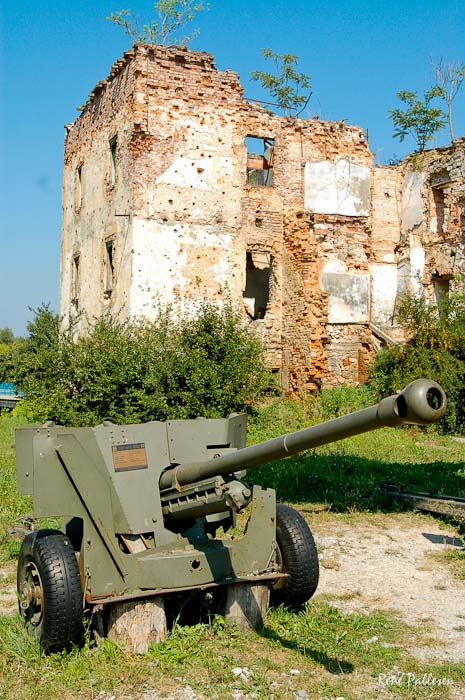
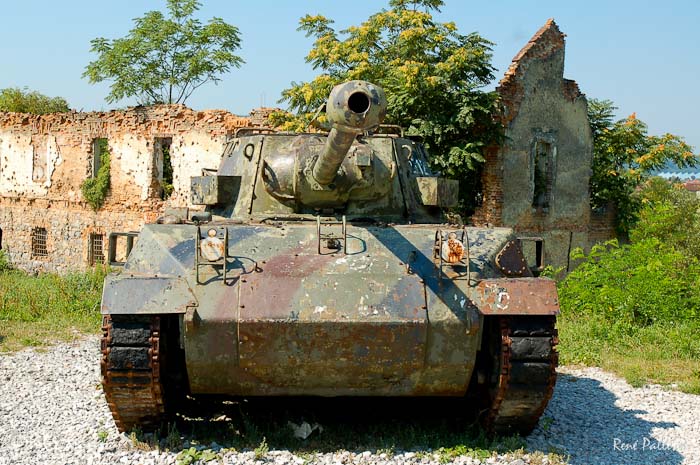
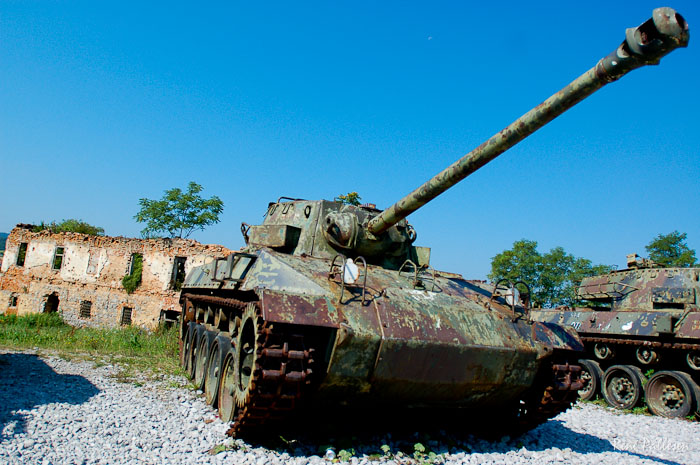
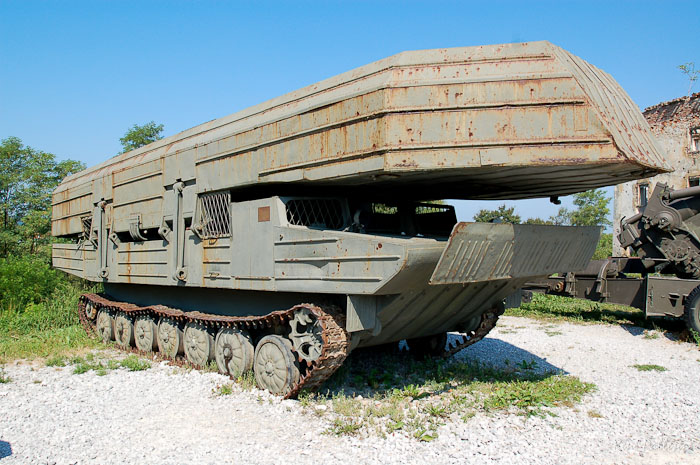
When we arrived to Karlovac I noticed a field just outside the city limits where they had deposited a lot of military hardware such as tanks, planes and artilery.

We decided to stop and have a look and it was almost like a museum, but there didn't seem to be anyone taking and entrance fee. There were also a number of bombed out buildings surrounding the field.

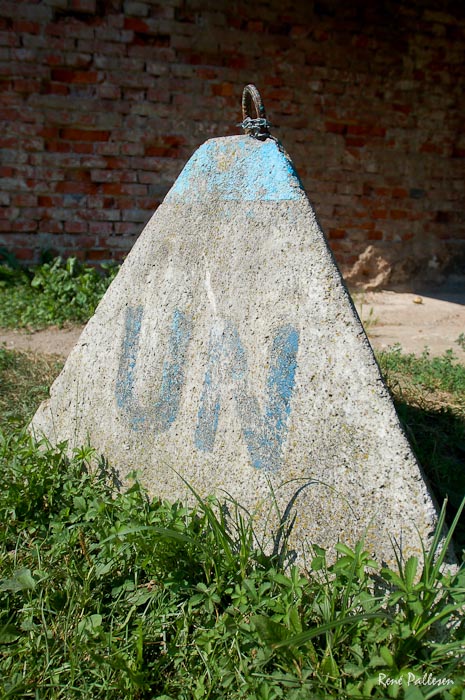
Karlovac was badly damaged during the war. Especially the southern part where this field was was totally destroyed. It was pretty much on the frontline between the croats and the serbs. The United nations tried to keep the parties apart, but the croats detroyed the UN observation posts.

Click here for more photos

The serbs responded with a heavy bombardment of Karlovac firing 5-6,000 grenades into the city every day (that is a lot) as well as by firing missiles into Zagreb.

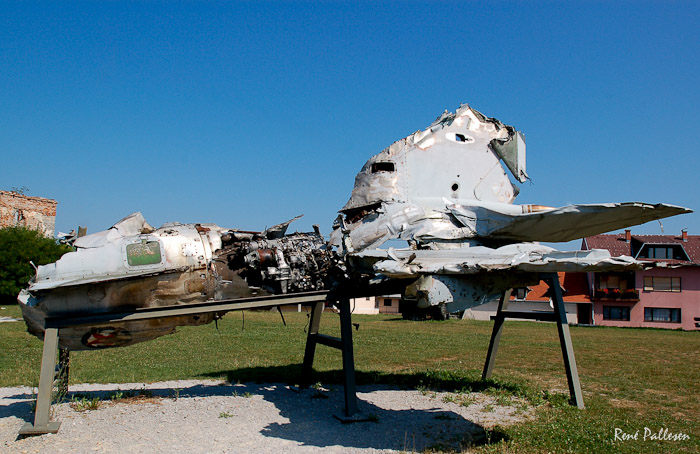
One of the things on display was one very much shot up and crashed Mig 21...I would assume from the Yugoslav/Serbian Army based on the markings.

Click here for more photos

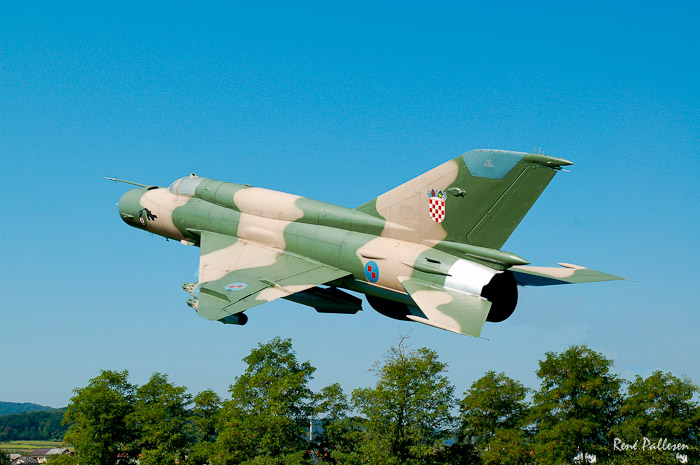
The Croatian markings were different on the other Mig21 on display.
Click here for more photos

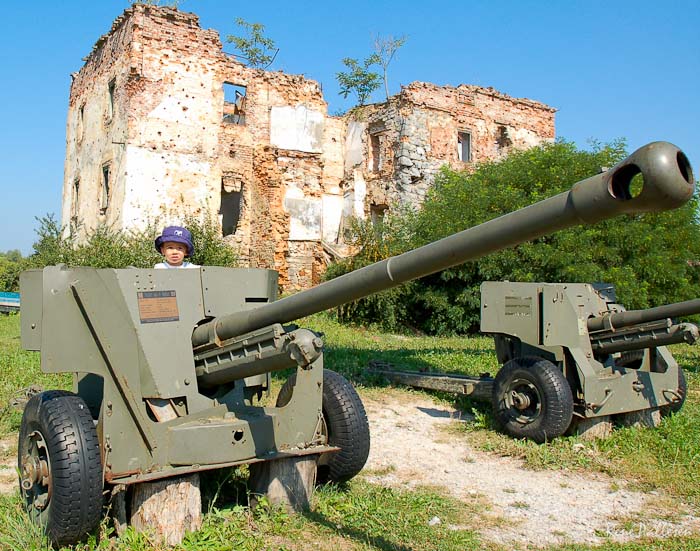
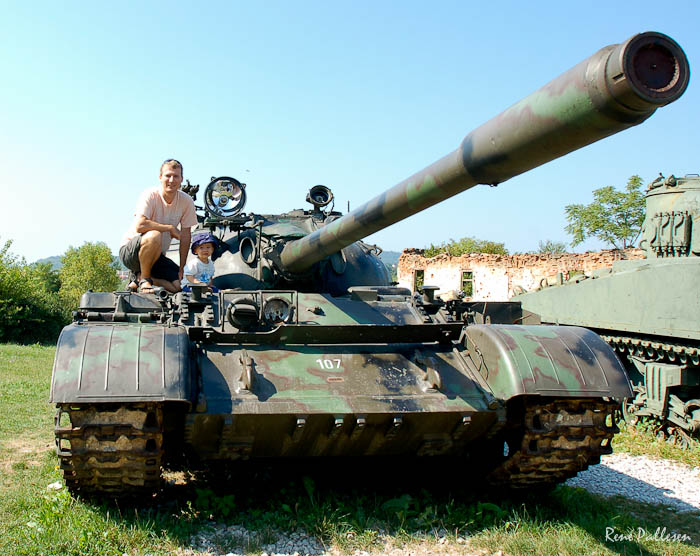
Besides from this there were a lot of other hardware such as tanks and artilery as well as one russian missile launcher. I am pretty sure the first tank is an M84 and I think the other ones are Russian T55's.

Click here for more photos

Click here for more photos

Click here for more photos

Click here for more photos

Click here for more photos

Click here for more photos

Click here for more photos


Click here for more photos

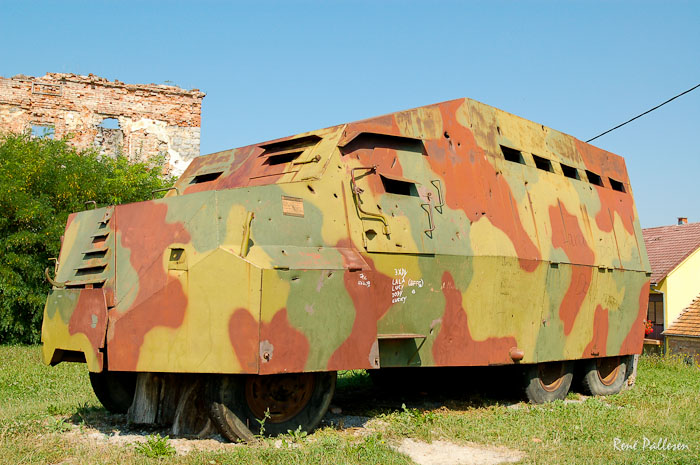
It was obvious that most of the equipment here had been used in action and some of the equipment was improvised and was also badly shot up such as this armoured personel car.
Click here for more photos

Afterwards we drove through the city itself and it was obvious that the scars of the war on the buildings were very visible just like in Mostar.

Ironically the main industry in Kardovac today is Arms production and they are a major producer and exporter of handguns.

Driving north from Karlovac we entered a mountain range leading us across the border. On the top we found the Slovenian border and crossed it easily.

It was now lunch time and coming down on the other side we started looking for a place to have eat. We found a restaurant at the foorhills and decided to order todays special having no idea what the price was. We decided to skip the initial soup that was part of the menu and went straight to some very solid mains. The waiter then brought us deserts as well. In total the bill came to 18 Euros including drinks...Kim called this the greatest bargain on our trip.

Not far from there we again joined up with the highway that would take us to Bled. After a while we came to the check for Road Tolls. Not knowing how it worked and not sure which lane I was supposed to be in I had to just go through the gates without paying. After another 30 kilometers we encountered we came to another toll gate and this time I decided to go through the truck/bus lane as it seemed like this one had a cashier. I asked him how the system worked and he said that I had to purchase a weekly pass (so we did). I also asked him what would happen if I didn't have a pass and he told me that I would get a 300 Euro fine...Oouch!!! But he also said that the controls were manual controls, so unless I was stopped I would be ok.....Whewww!!!

The rest of the drive to Bled was a breeze from there on. During our whole trip we used my GPS navigator extensively. Although it wasn't totally accurate all the time for these countries it would still get us most of the way and the driving would definitely have been a lot less enjoyable if we had to use a map all the time.

20. August 2011 07:32
by Rene Pallesen
0 Comments

Plitvice Lakes - Croatia

20. August 2011 07:32 by Rene Pallesen | 0 Comments

plitvice lakes croatia


We had heard a lot about Plitvice Lakes before we arrived to Croatia. One of the travel shows went as far as saying 'You haven't been to Croatia is you haven't been to Plitvice'. It is also one of the first natural sites that was listed as a UNESCO World Heritage site.

Click here to see more photos

Some of the photos/footage we had seen from there was stunning.


Click here for more photos

Click here for more photos

When we arrived to the villa we were staying in the girl who checked us it provided us with a map of the national park and said that we should go there in the afternoon and get the big waterfalls out of the way. I asked her about Aiden and how easy it would be with his pram. She said that there were some steps, that once you were down at the lakes then it was mainly flat. She also said that on the second day we should do the other waterfalls. This route was longer but flat most of the way.

Click here to see more photos

We arrived to the park and sorted out the park entrace fee and figured out how the parking worked. The decent down to the lakes was a long ramp...easy with the pram.
Once we arrived to the bottom this turned into a wooden walkway. The planks used hadn't been levelled but were just raw pieces of timber and it was very difficult and very bumpy for Aiden in the pram. The narrow walkway (without railing) was full of busloads of japanese tourists whick made it even harder to get through it. We were so busy strugling with getting through the crowds that it was very hard to enjoy and take in the scenery. The walkway was constructed only a few metres from some of the smaller but more scenic waterfalls and with all the people even without the pram it would have been not so as enjoyable as it could have been.

Fortunately the walkway was fairly short and once we hit gravel walkways the going became a lot easier. By this time the busloads had also turned back the same way they came so less crowds. At the end of the circuit we came to this little picturesque lake that had these small tour boats running on it to transport people from one side of the lakes to the other.

Click here to see more photos

We took the boat across to the other side and found the dreaded 200 steps (I think Kim counted 211) from the lake shore back up to the busstop for the bus that would take us back to the carpark. At this point stairs were easy as long as there were no wooden logs or crowds.

Dinner tasted extra good this evening...a massive trout.

Next morning we went back to the park and started on the second circut that had been suggested to us. Again we encountered the wooden log walkways and this time they just kept going. we saw other people with prams who were also struggling. I did have a carrying harness with mclass="widget-area" id="tertiary">