Home

16. September 2001 11:10
by Rene Pallesen
0 Comments

My Friends in Denmark . . .

16. September 2001 11:10 by Rene Pallesen | 0 Comments

my friends in denmark


Believe it or not, I still have quite a few friends in Denmark. I would like to put photos of all of them here - unfortunately I do not have photos of all of them. If you are one of my friends and your photo is not on this page then please do not despair - I still consider you a friend, and maybe, the next time I go to Denmark, I shall have photos of you all!
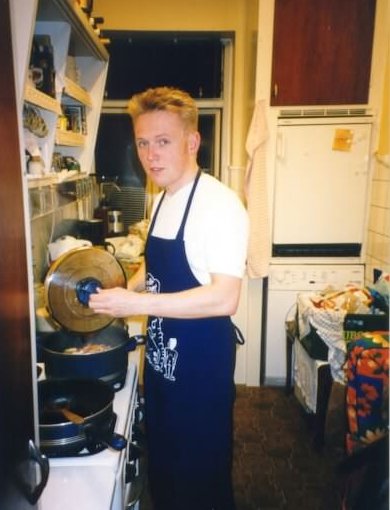
Kenneth in kitchen


Here is one of my best friends in Denmark. This photo was taken quite a while ago, before I came to Australia.


Kenneth is now living here in Sydney, on the beautiful Manly beach - only about a half hour away from me. Kenneth came to stay with me a few months ago. He was trying out a new job, and actually came back! He is going to give Australia a go, to see if he likes it like I do. No more biting winters, lots of warmth and sunshine, beautiful mountains and bush to explore... and I think he has discovered, there are lots of friends to make - especially the pretty fun-going ones with two legs and a skirt! *smile*

He is actually a pretty good cook. Whist he stayed in my apartment for a couple of months, he cooked pot roast with gorgonzola sauce, and also gave a wonderful 3-course dinner for a small group of friends here. About two years after I arrived in Australia, I returned to Denmark for a visit. On the day I arrived in Denmark, he threw together a party for me!
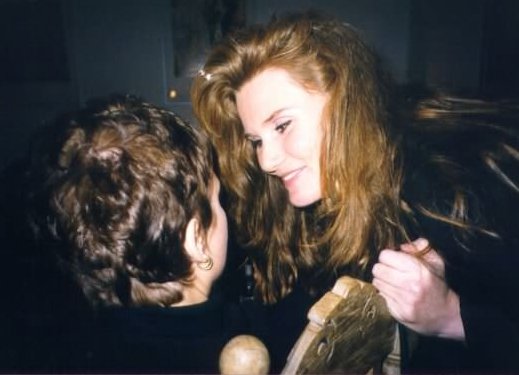
Ester


Here is Ester, another one of my friends.


She is a fashion designer and paints some wonderful paintings.
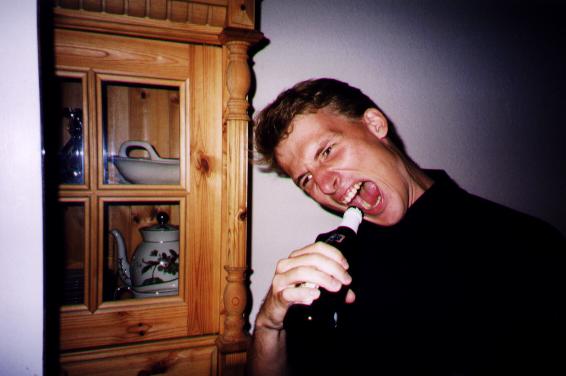


Me!


Naturally at parties, there was quite a large amount of beer being consumed (how can you not?? - not possible to have a party otherwise in Denmark.


It was nice to taste one of the annual Christmas beers from Tuborg.
Created: Jan 2000 Last Updated: 16 Sept 2001

28. July 2001 11:11
by Rene Pallesen
0 Comments

Photo Gallery

28. July 2001 11:11 by Rene Pallesen | 0 Comments

photo gallery

Photo Gallery

I have placed photos here - those I could not fit on the respective webpages.


Schwedagon
Big Stuba at nightBig StubaBig Stuba at night
Schwedagon 1Schwedagon 2Schwedagon 3


Mandalay
Mandalay facing eastMandalay HillMandalay Fortress


Marionet
Puppet Show 1Puppet Show 2
Musicians


Volleyball


Created: 3 Nov 2001

28. July 2001 10:52
by Rene Pallesen
0 Comments
South East Asia ( 24 July ~ 24 August 2001 ) . . .

28. July 2001 10:52 by Rene Pallesen | 0 Comments

south east asia 24 july 24 august 2001


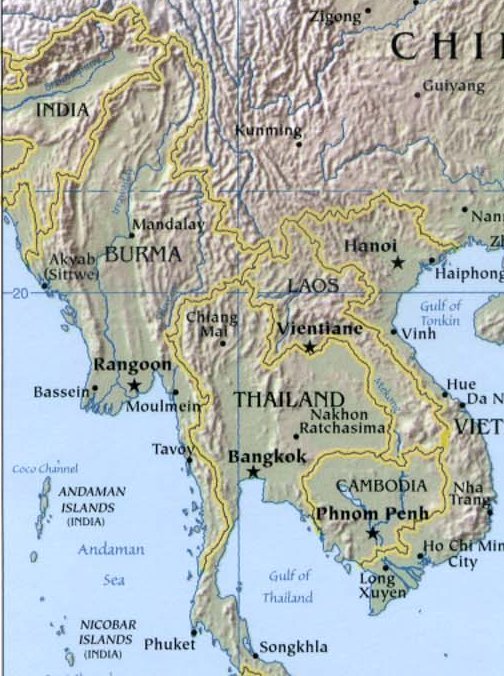
Map of area I went to

I initially made plans to explore Burma and then make my way across the border into western China at Burma's only border crossing up north. I had not made any definite plans wanted to play it by ear... but in the end my trip consisted of Thailand, Cambodia and restricted areas to Burma.

I was away for a total of 5 weeks and must admit that parts of my trip really frustrated me - there were many restrictions in Burma and being in Bangkok at times stressed me because of all the tourists and crowds. I really only went to Cambodia to see the magnificent Angkor Wat - actually I really did enjoy being there. I think my most enjoyable part of the trip was the days I had climbing on the secluded areas of Krabi.

Burma - Temples at SchwedagonCambodia - Angkor WatThailand - Scuba-diving at Krabi
Burma
(23 Jul ~ 5 Aug)


Cambodia
(6 ~ 10 Aug)
Page available soon
Thailand

Page available soon


28. July 2001 10:51
by Rene Pallesen
0 Comments

Monkeys . . .

28. July 2001 10:51 by Rene Pallesen | 0 Comments

monkeys
There were quite a lot of monkeys at Mt Popa.


Mother & Baby Monkey

Monkeys fighting

Mother feeding baby monkey

The photo above in the middle, shows monkeys that look like they are playing around. They are actually fighting monkeys and can be very dangerous because they bite and also snatch things from you.

They were rather oblivious to me being there, until the flash on my camera went off. Then their attention was on me and they were ready to attack.

I adopted the “monkey mentality” - avoid eye contact and move away backwards - the only way to stop the monkeys from attacking is to not look at them.


Monkey 1

Sitting Monkey

Monkey with eyes closed

Monkey Portrait!

28. July 2001 10:50
by Rene Pallesen
0 Comments
Mt Popa . . .

28. July 2001 10:50 by Rene Pallesen | 0 Comments

mt popa
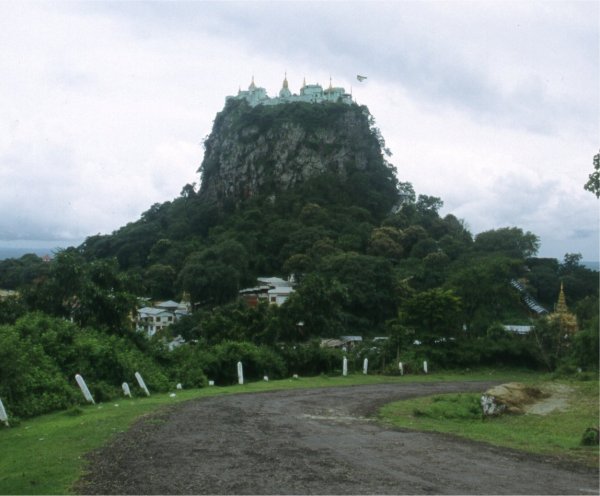
Mt Popa


There is a monastry on Mt Popa - a hill located 50km away from Bagan.

When I was there, it was a cloudy day.
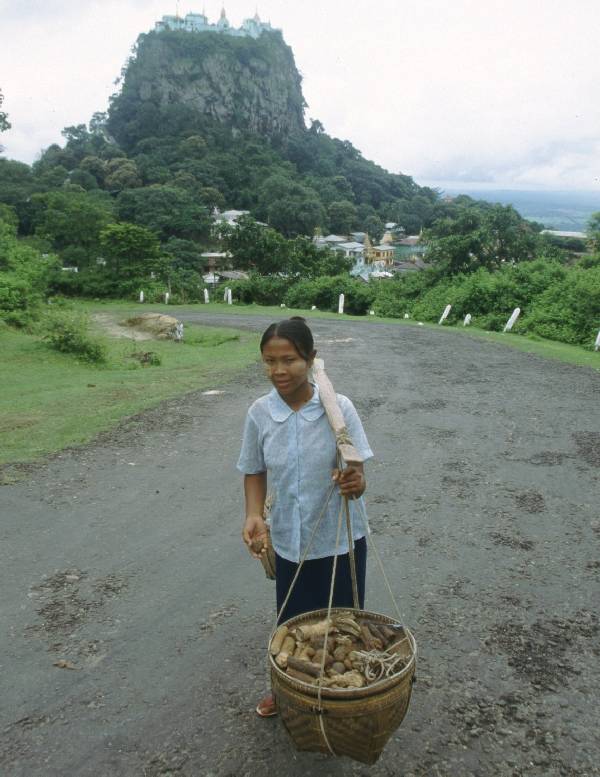
Woman selling petrified wood at Mt Popa

I ran into a woman selling petrified wood - quite silly really, considering the place was covered with it.
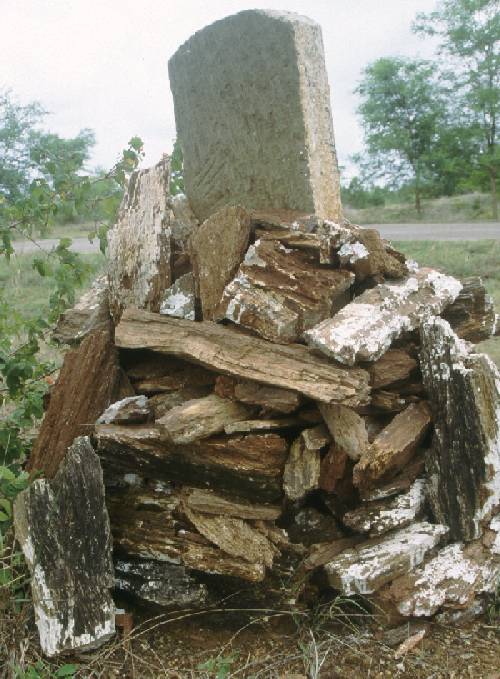


Road sign

They must think tourists are stupid! *laugh* I managed to pick up a couple of small pieces to take back with me.


As you can see, there are stacks of them around.

And no... this is not a tombstone.
This is actually a road sign.
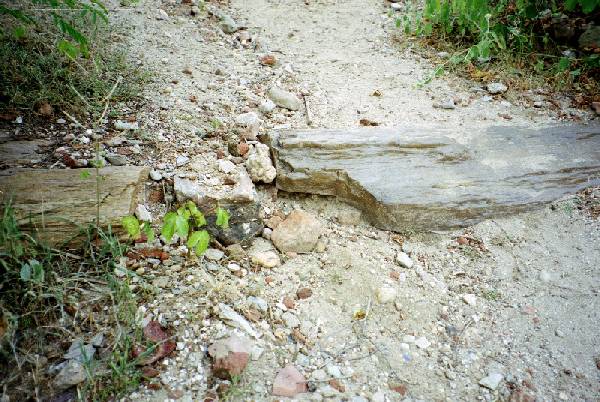

Example of petrified wood

You would be surprised how big some of these pieces are - this piece below was actually about a metre long and 40cm wide.
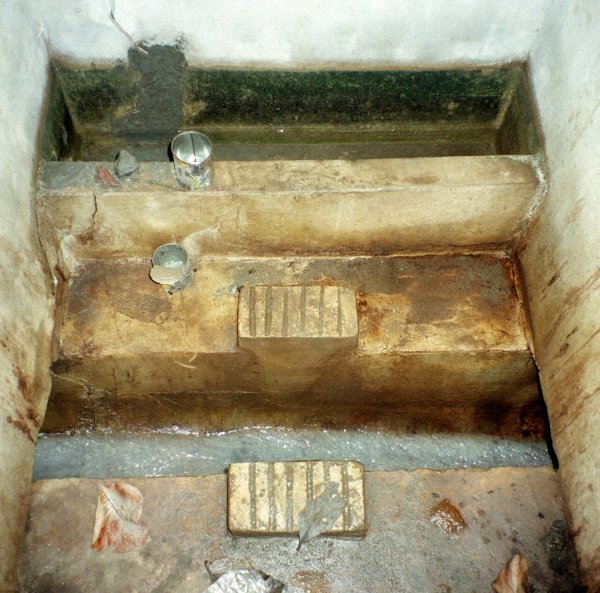
Toilet in Burma

Actually what I found interesting were the toilets in Burma.


My girlfriend tells me that squatting over a toilet is quite common in Asia.

In many of the city areas, they would have toilets as we know them, and they would also have a carved hole in the ground, on which either side, one places their feet on.

Toilets in the rural area are more crude than that - a hole leading into a gaping pit.

However, what I found interesting about these toilets were that recycled running water was used to wash away any excrement. The water is first used for washing one self and then used in the toilets.

As there were a few toilet cubicles a row, sometimes you would see the excrement from a toilet uphill go beneath you! *laugh*

Very clever and environmental system, I think!
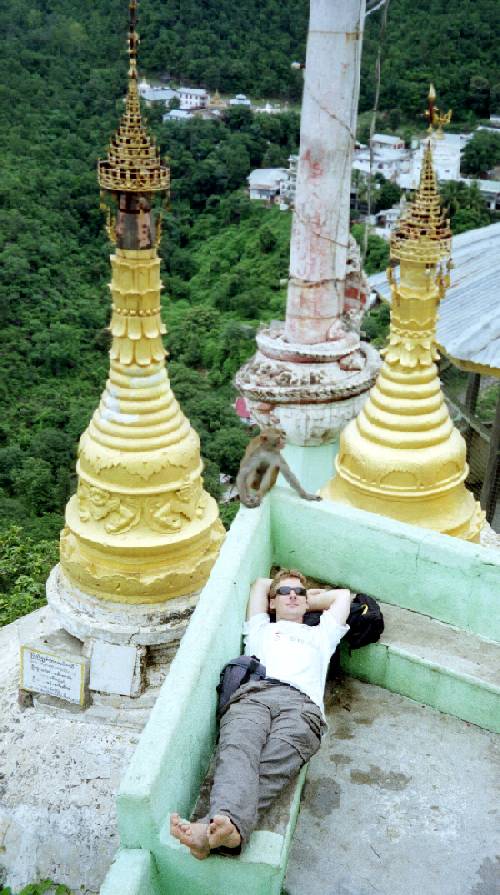
Me at Mt Popa


Trying to grab a snooze... *smile*


Like Schweddagon, most of this is real gold as well.

And yes, there is a monkey sitting near my head.

If you click to the next page, you will see that I have taken a series of photos of the monkeys.

28. July 2001 10:50
by Rene Pallesen
0 Comments
Burma Up North (continued) . . .

28. July 2001 10:50 by Rene Pallesen | 0 Comments

burma up north continued
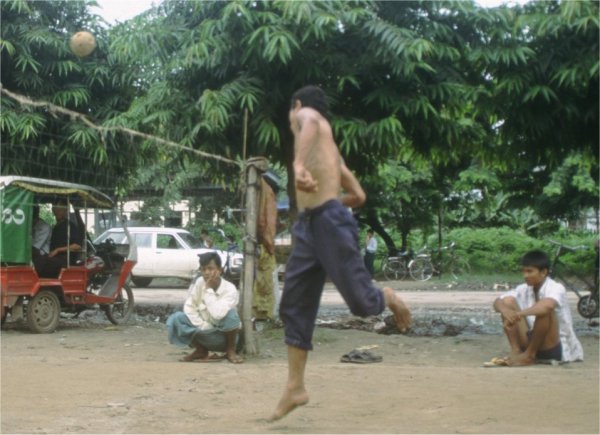
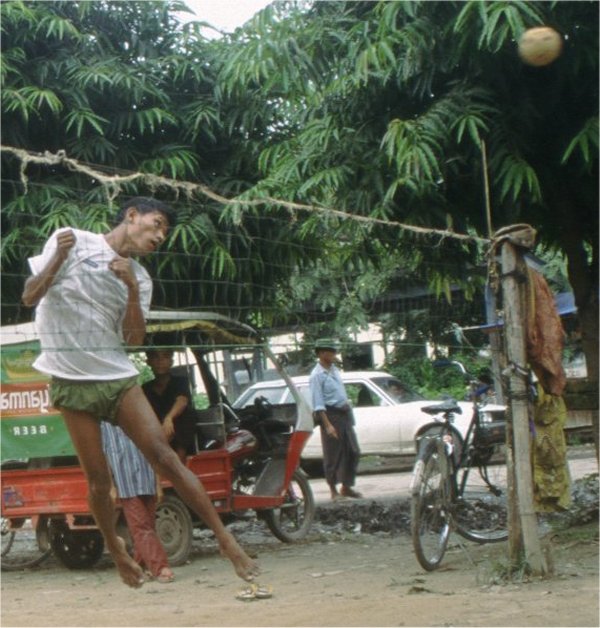
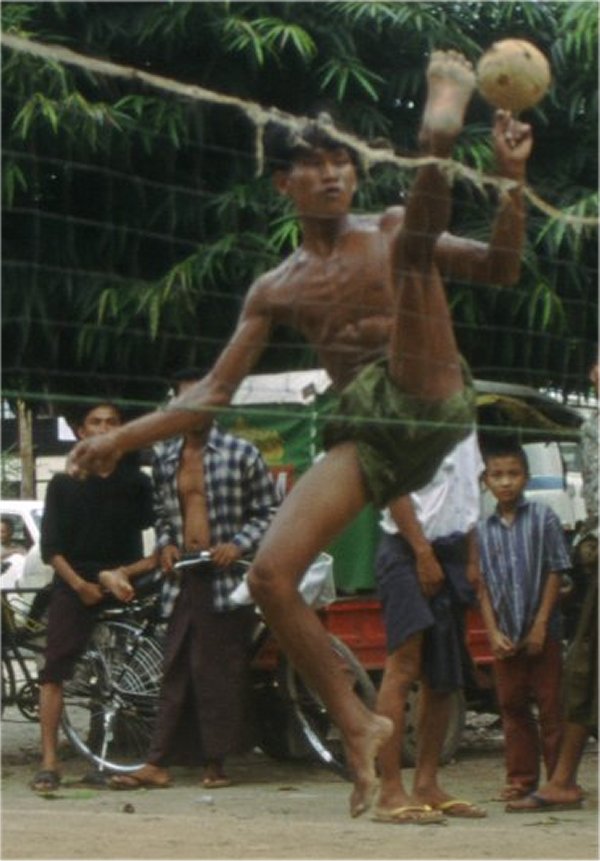
Volleyball Player Photo 1


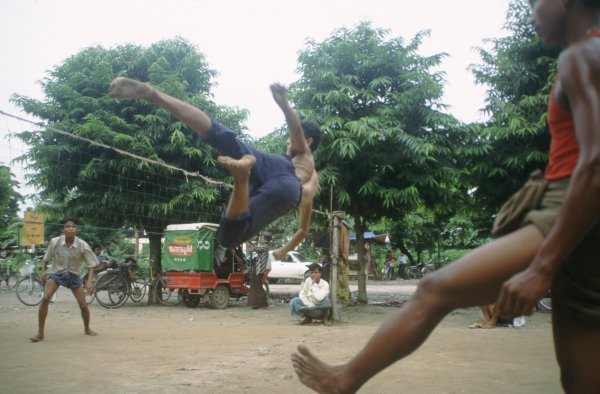
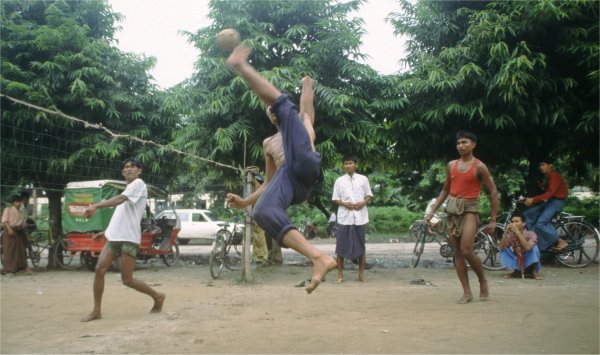
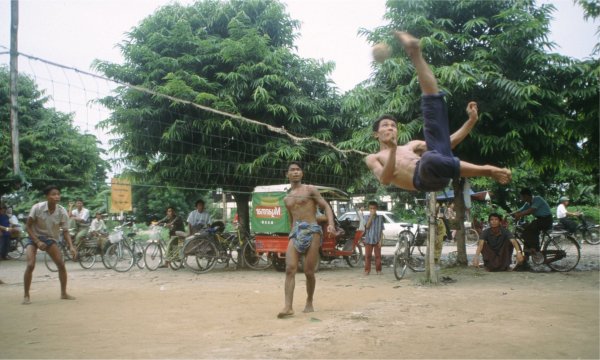
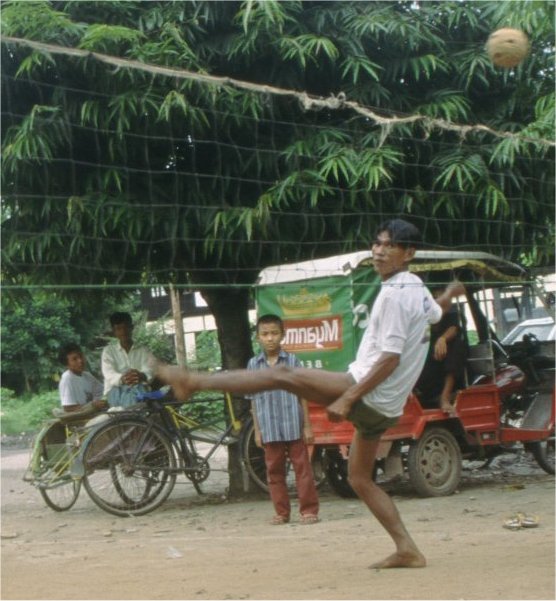
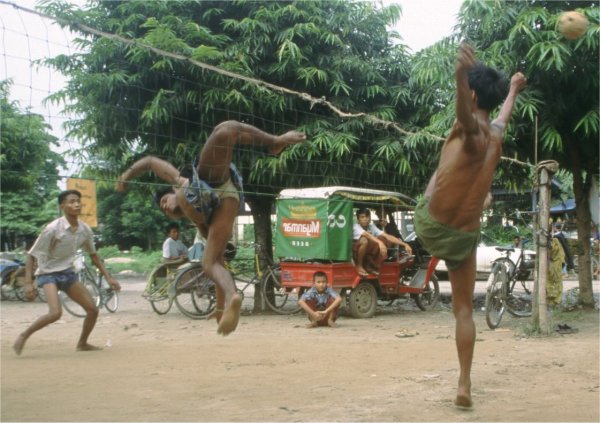
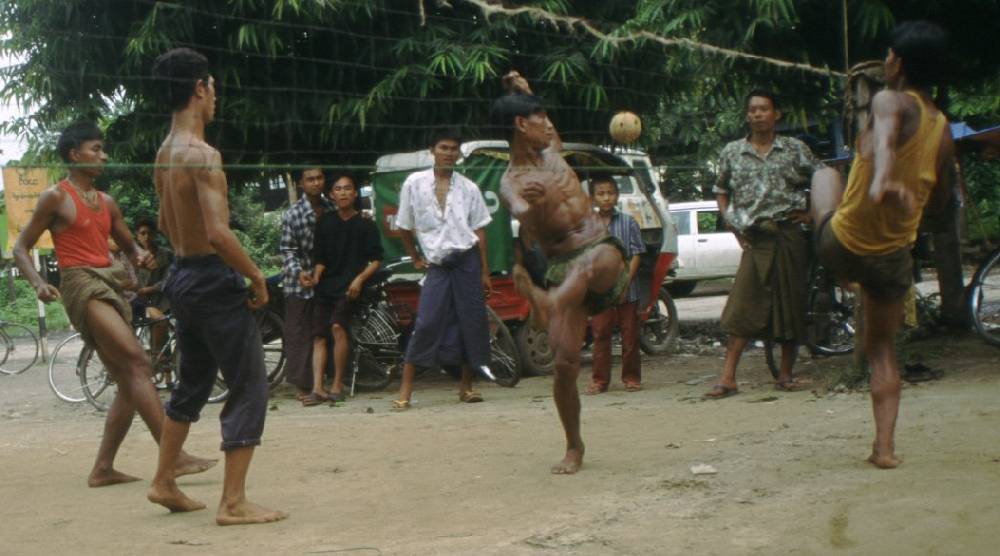
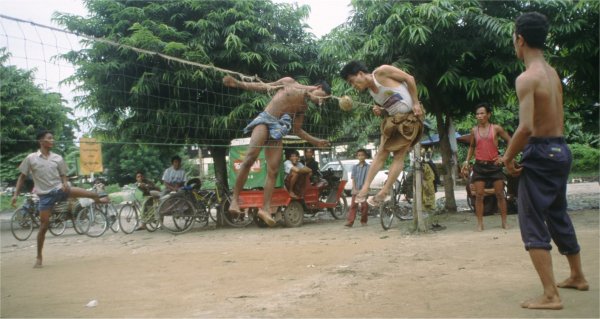
Whilst I was up north, I watched a rather interesting game of volleyball.

I have never seen such dexterity and agility amongst the players!

It was amazing to see how flexible these guys were.
Volleyball Player Photo 2

Volleyball Player Photo 3Volleyball Player Photo 4
Volleyball Player Photo 5Volleyball Player Photo 6

Volleyball Player Photo 7Volleyball Player Photo 8

Volleyball Player Photo 9Volleyball Player Photo 10

Volleyball Player Photo 11

28. July 2001 10:49
by Rene Pallesen
0 Comments
Burma Up North . . .

28. July 2001 10:49 by Rene Pallesen | 0 Comments

burma up north
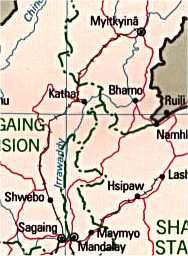
Map of Northern Burma


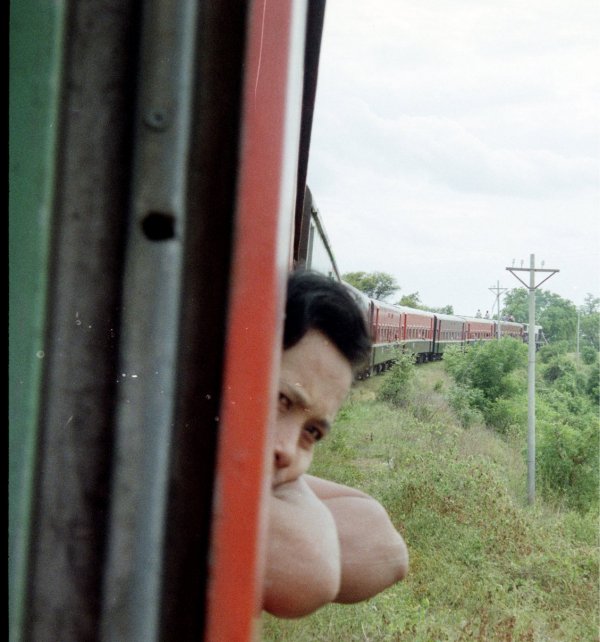
View from train


I decided take a 20-hour train-ride to Myitkyinã *laugh* it took 20-hours to get there by train because there was only one track.


It was definitely faster to run next to the train than to travel in it!

We had to wait for the oncoming train to return before we could travel north.

At one point, we crossed a bridge that was so rickety that I thought it would collapse any moment!

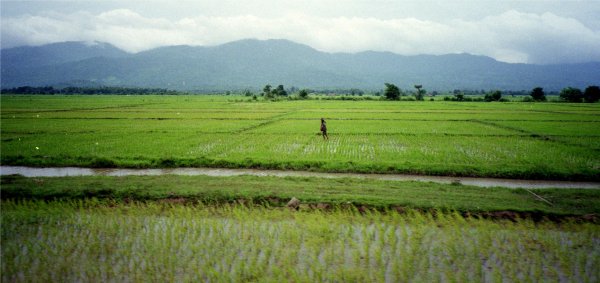
Working in the rice fields


Locals working in the rice fields.

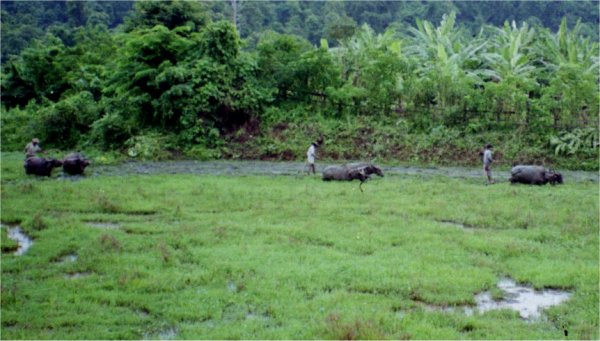
Working in the rice fields


Locals using water-buffaloes to plough rice fields.

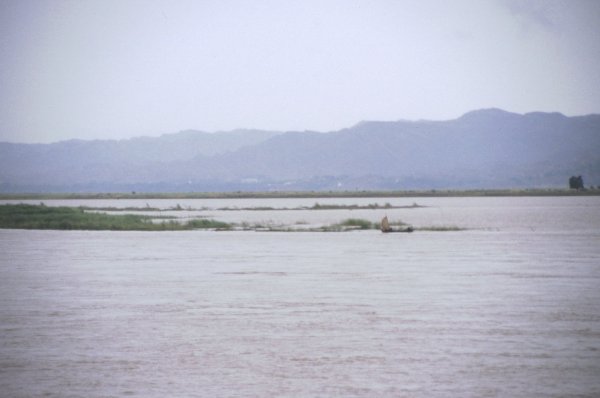
Jrrawaddy River


The train travelled along the Jrrawaddy River.


It would have been nice if I was able to travel to Mandalay via a riverboat down the Jrrawaddy River.

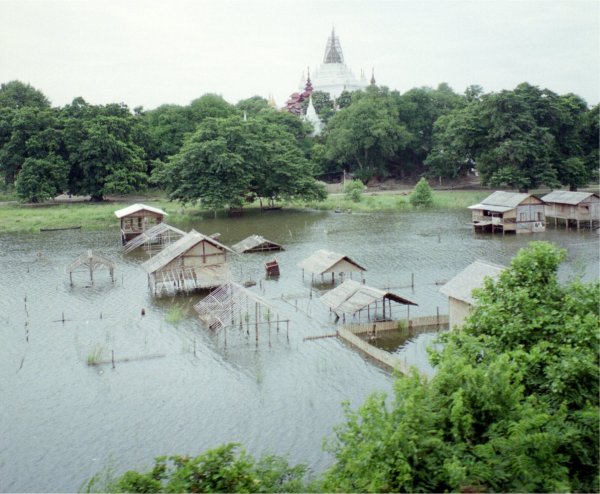
People living on lake


It was amazing to find out that people live “on” these lakes, by building houses on stilts.


This sort of housing is quite common in many parts of Asia, especially areas where monsoons quite frequently flood an area.

It is also very environmentally-sound, I think, and hurts the land less.

Most of the houses are made of wood.

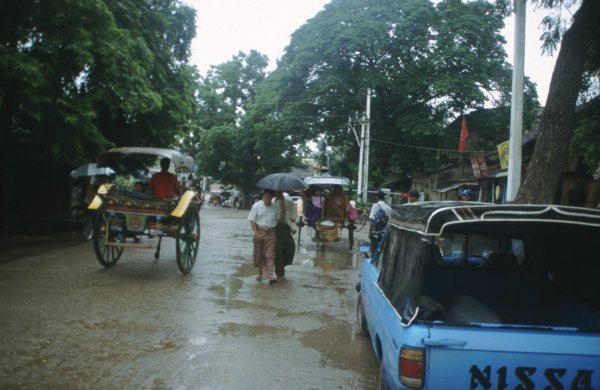
Myitkyina in rain


Myitkyinã is pretty dismal in rain!


There is a huge drug problem in Burma, especially through the crossings into China.


I have scanned a copy of a recent newspaper article about this problem in Burma.

28. July 2001 10:49
by Rene Pallesen
0 Comments
Puppet Show . . .

28. July 2001 10:49 by Rene Pallesen | 0 Comments

puppet show
Puppet Show


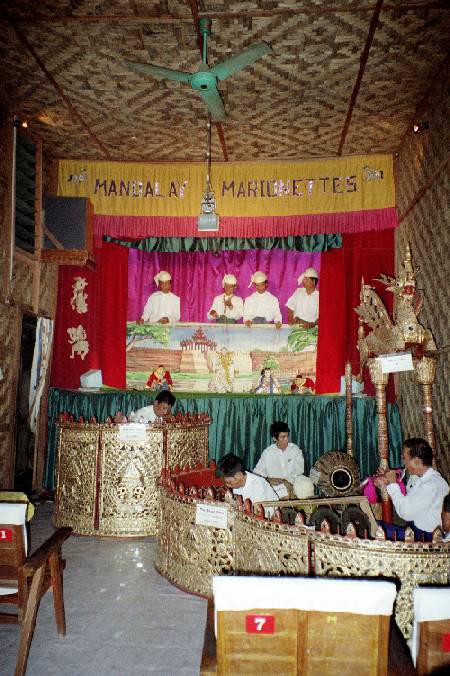
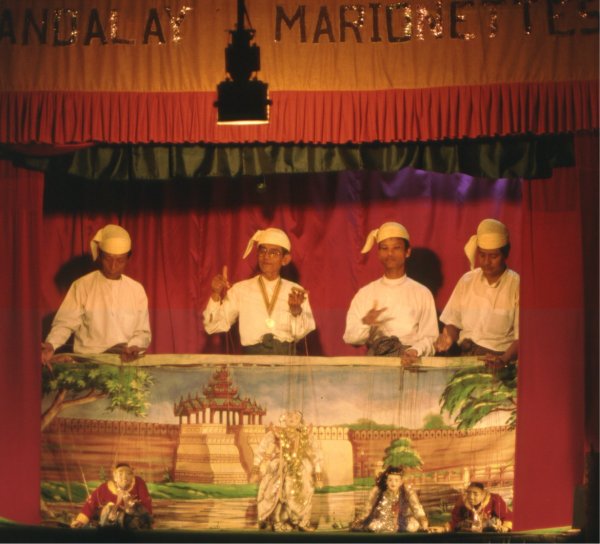
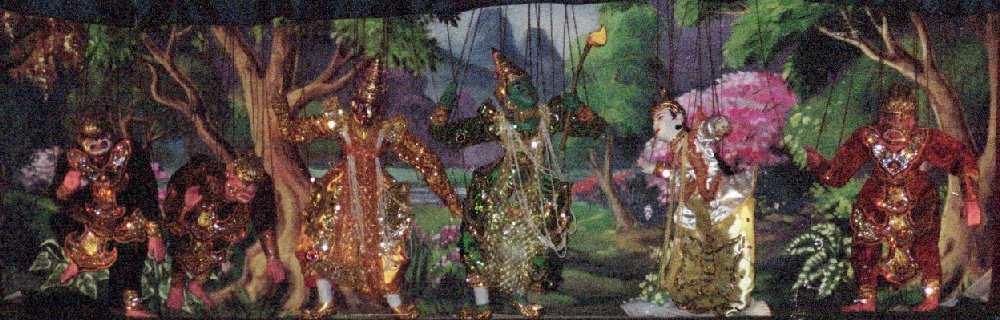
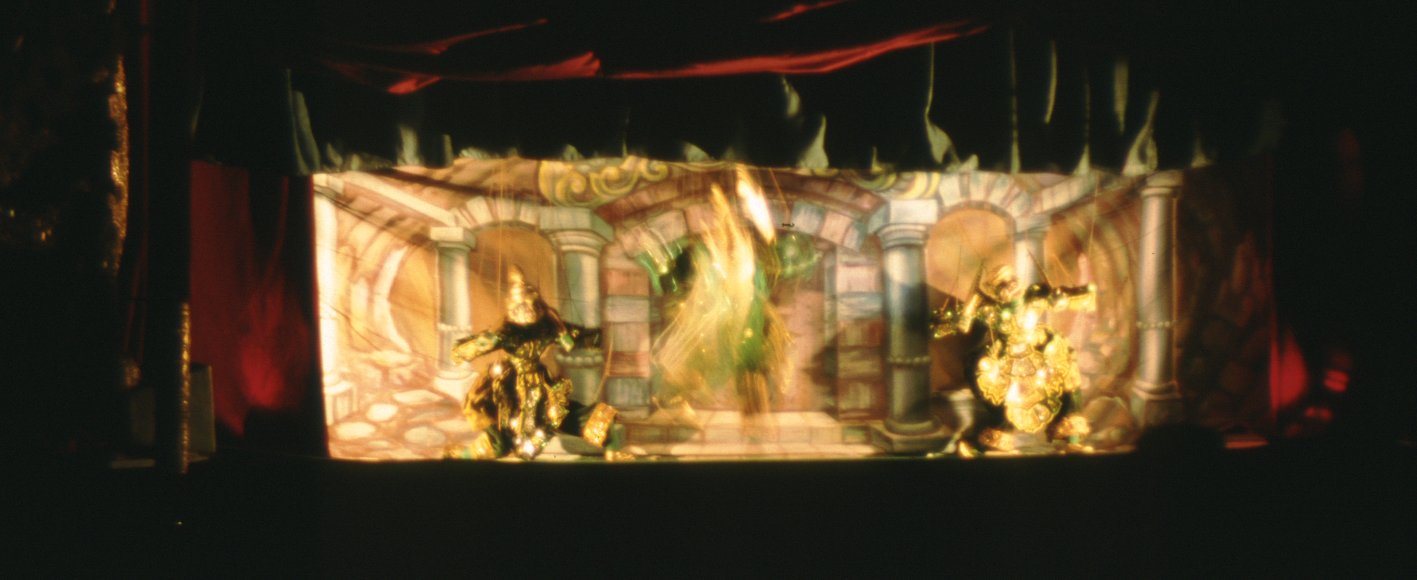
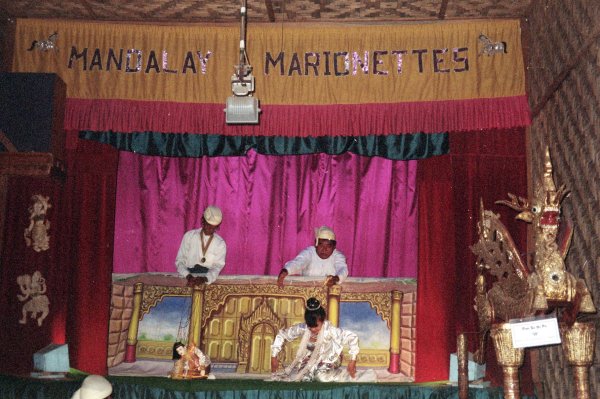
I saw the most interesting puppet show, known as the “Mandalay Marionettes”

There were 2 or 3 puppeteers out the front, with a live band of musicians.

Unfortunately, it was more of a show for the tourists, rather than the locals.

It cost 1,000 chats or US$2 per show.


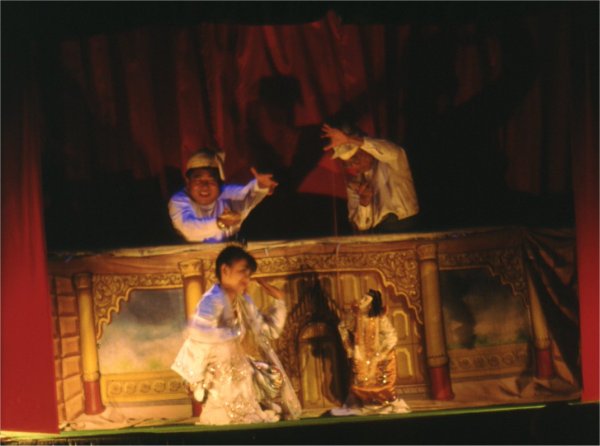
4 men manipulating the marionettes A child posing as a 'puppet'
The Marionettes


Lots of bright lights

28. July 2001 10:48
by Rene Pallesen
0 Comments
Mandalay . . .

28. July 2001 10:48 by Rene Pallesen | 0 Comments

mandalay


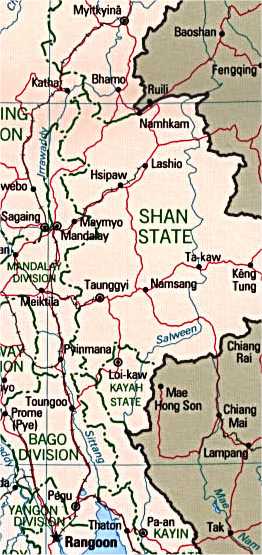
Map of Burma


When I initially arrived in Yangon / Rangoon, I wanted to fly up Bhamo - one of the bigger towns north of Burma. I also considered exploring Myitkyinã - a town further north of Bhamo.

My Lonely Planet guide indicated that the only border crossing into China was to the east of Bhamo. My initial plans to Burma also included exploration of western China. However, I was disappointed by the military turning me back, despite the fact that my Lonely Planet guide said I could cross into China at Ruili.

I decided instead to fly to Mandalay, not only because it was cheap to do so, but it saved me a 20-hour bus ride there from Yangon.

City of Mandalay


I heard about a song for sailors.
“To be a real sailor, the sailor would have to have been to Mandalay way upriver”


I quite liked Mandalay.


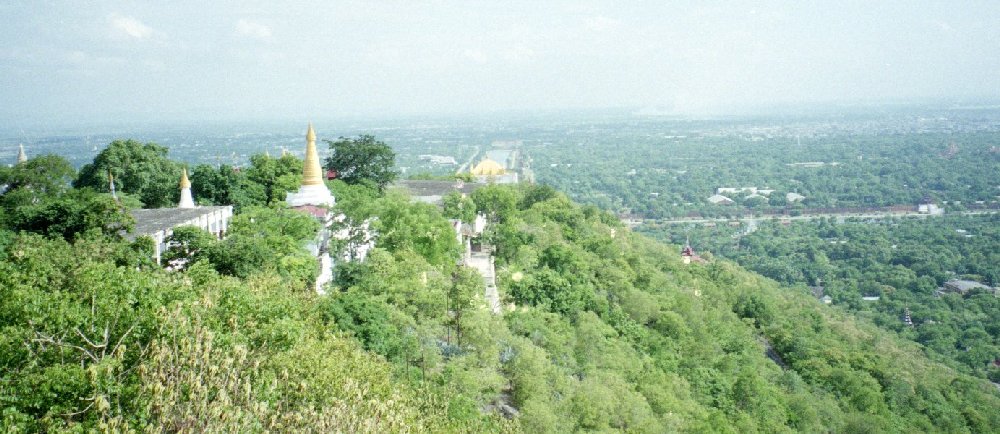
The photo below, is of Mandalay Hill.
During World War II (20 March 1945), the British and the Japanese fought one another to gain control of the position on this hill.
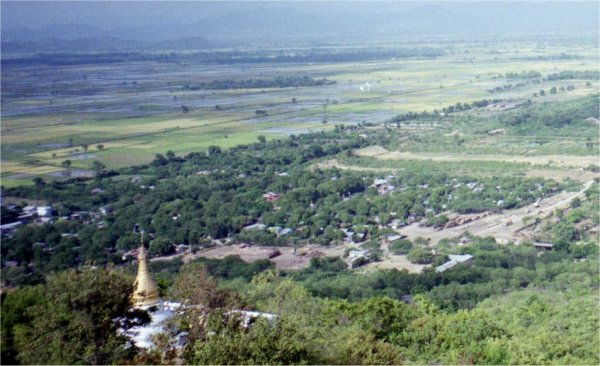
Important Position in Mandalay Mandalay Hill facing east


The photo to the left is taken from the hill itself facing east - as you can see, it has an aerial view of the whole city, and puts any oncoming enemies at a disadvantage. Control of Mandalay was important during the war, as the soldiers were able to set up artillery and attack anyone approaching the fortress.

This hill was of big strategic importance.

The building you see near the shrine is a monument to the British regiment who managed to take control of this hill from the Japanese.

At the eastern part of the delta, a lot of logging takes place. There was a train line built that used to cart all the trees/wood for export to Thailand.
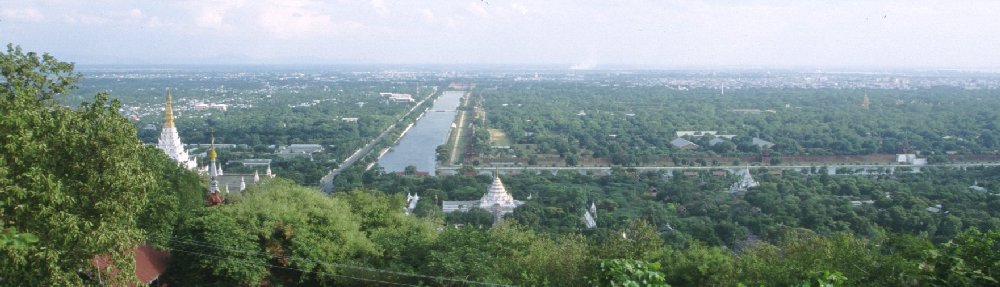
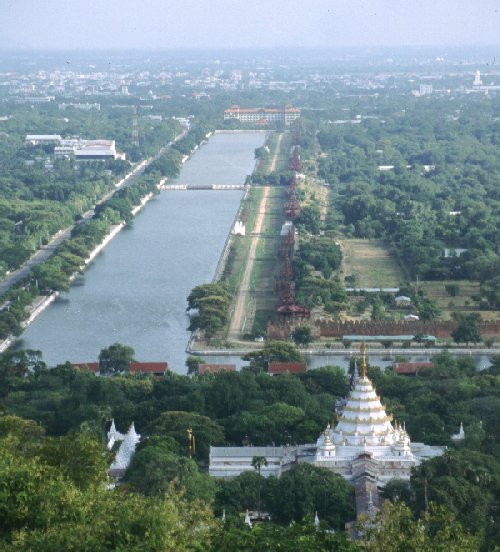
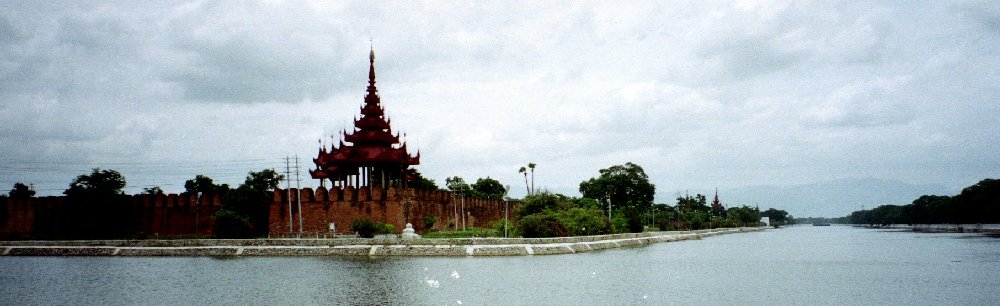
View of the FortressView of the Fortress


The moat around the fortress is man-made.
Although man-made, comes from the local river.


The original fortress was burnt to the ground.
The whole fortress covered an area of 2.5 x 2.5 km
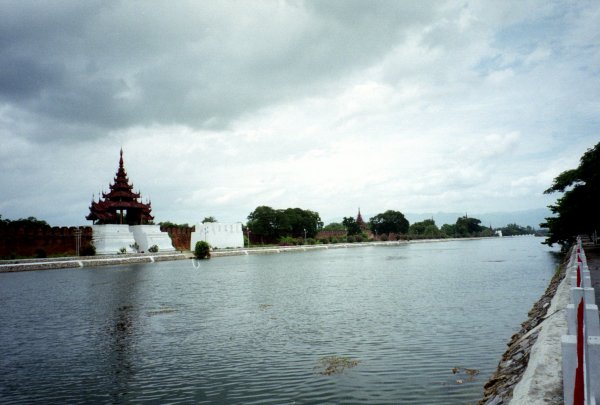
Fortress at Mandalay

Fortress at Mandalay

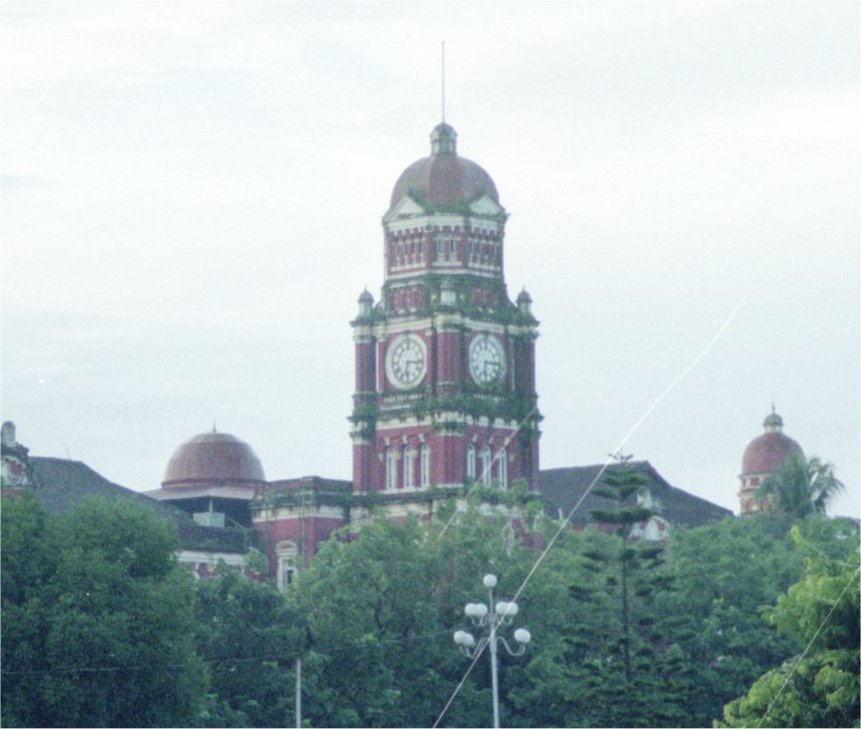
Clocktower in Mandalay


The design of Mandalay was quite colonial, and surprisingly, most of the streets were at 90º to one another.


Overall, I found Mandalay the most expensive city to travel to in Burma.

No matter what one does in Mandalay, be it explore Mandalay Hill or the city itself, the locals always had “special” foreigner prices. It really annoyed me.

I tried to use local currency as much as possible. However, FEC (Foreign Exchange Currency) was more valuable and worth more to the locals. FEC is also used in China, and one tries to use local currency as much as possible. Any item you buy has 2 prices - and obviously it is cheaper to use local currency than to use FEC.

I must admit, even Mandalay Hill was not that nice for the price I paid to explore it. It was also expensive just to go into the fortress.

Surprisingly, I could not find maps of the area that was not more that 40 years old.

28. July 2001 10:47
by Rene Pallesen
0 Comments

Burma Religion & Politics . . .

28. July 2001 10:47 by Rene Pallesen | 0 Comments

politics

Politics . . .

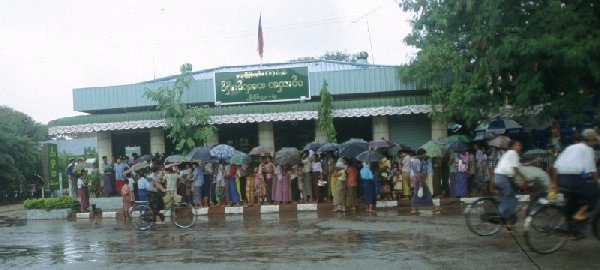
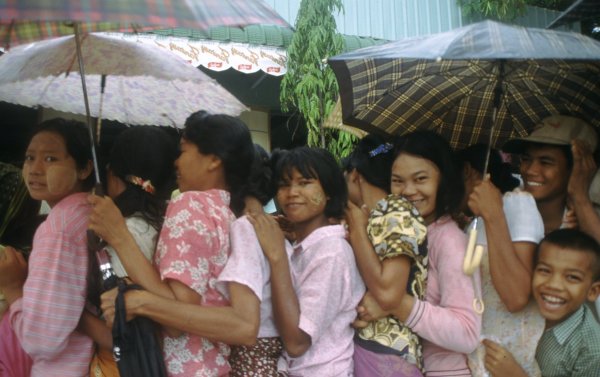
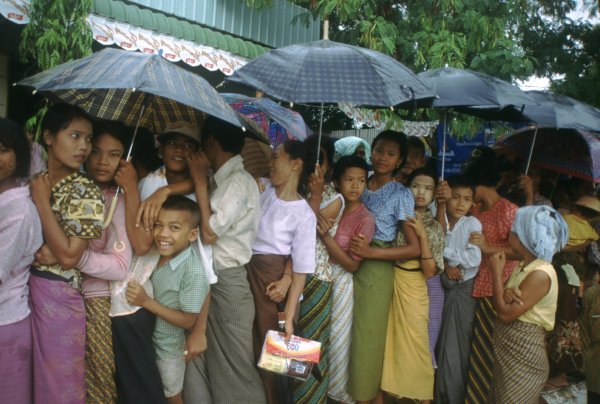
Queue for Rations
There is a lot of politics going on in Burma that an outsider should not get involved in - Burma is one of those countries where political opinions are best kept to oneself.

In Burma, use of the Internet and mobile phones is illegal. This is the government's way of controlling the information entering the country. Even access to equipment such as laptops is illegal - the country is so poor that many could not afford such a piece of equipment.

I saw many young women queueing for their rations. They were standing so close together that I thought they were lesbians! *laugh* The girls stand close together so another person cannot jump the queue by pushing in.
Girls Standing Close

Girls Standing Close
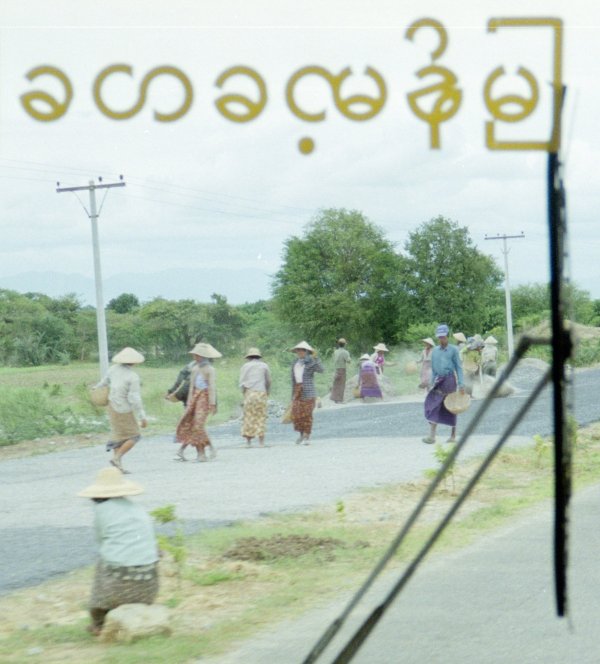
Young Girls Working on Roads


The girls here are very young, some have barely reached puberty and are doing some very hard work.
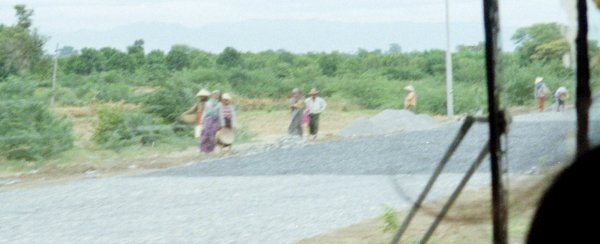

Young Girls Working on Roads


There is a lot of critique by Amnesty International, of Burma's use of young girls to provide maintenance for the roads.

el/blogs/nile01.htm" mce_href="nile01.htm">sundeck, I sat in the sun at the front of the boat, enjoying sense of peace and tranquility. It was truly beautiful to sit on a boat not too big or small, to watch the changing scenery on both sides, passed fields of giant palms and lush green fields, a smoking metal, the ship moving at a leisurely 16km/hr and passing some incredibe mountains of sand and cliffs. Ole joined me for a chat - he Irene are moving to Greenland on Tuesday. Later in the morning, I joined René and Ulla by the pool, gossiping about Bedstefar and family resemblances, watching Vinnie's kids and Sebastian splash about the pool, Lonnie, Sarah Birit stripped down to the minimum to get a bit of colour.


En ægyptisk mand ryger vand pibeWe reached Esna and used the few hours to get off the ship and stretch our legs after a morning of lazing around the pool. I was itching to walk around Esna, away from tourists and see how the locals lived. René and I headed for the quieter streets avoiding the busy streets around a souq. We were followed by a few children clad in long grey or white robes, who guided and annoyed us. Most of the narrow streets were unpaved, some very muddy and smelling of manure. Skinny, skeletal donkeys balanced again flat wagons, many shy girls waving from the darkness of their doorways or 2nd-level windows, whilst little boys came out to say hello and mill around us. Most houses were simple of mud bricks, with tiny wooden shuttered windows to keep the intense summer heat out. Some had extremely ornate wooden doors, reminiscent of colonial days. Occasional peek in doorways revealed empty mud-lined rooms as most people lived in the upper floors. Eventually René shouted imshee! (go away) as the kids got noisier, more aggressive, pulling on our arms and throwing pebbles at us. When I stumbled over a whimpering black and white disease-ridden puppy in brown paper, it was kicked aside - making me almost reach out for it if René hadn't stopped me.it was wise not to even make contact witht the children, who were dust-covered and clad in the long egyptian grey robes. It was such a relief when they finally left us even though we knew they were hiding in in alleyways watching us wind through the streets. There were goldsmiths glittering with ornate rings, earrings and necklaces; tailors still sewing by hand on the steps of their shop; coffee houses filled with solitary men smoking their water-pipes - their eyes following us down the street. We had spent so much time just sitting around that it was good to get away.

Crossing of the Lock

We set sail at 3pm and many ships like ours got together near two bridges just north of Esna. For one hour of the day, a bridge opened up for the ships and cars were ferried across the Nile instead. In the meanwhile, the ship had organised a special Egyptian "Oriental" dinner where guests could dress up in egyptian attire. It was a traditional egyptian feast of flat bread, baba ghanoush, warm stuffed zucchini and capsicum, warm cabbage rolls, chickpeas, lentils, fish, and traditional dish of okra, and a dressed up rice-stuffed whole lamb with a foil-covered head, small skinny eggplants for ears sitting upright on a silver platter. To finish it off was a plethora of egyptian dessert - semolina tarts, almond-milk agar (jelly) and the tartlets that tasted of liquid honey. Between 10-11pm we all gathered together for the lock-crossing.
Canal lock-crossing involves ships moving from a one water-level to another, usually where a dam is involved. Two cruise ships moved into a channel that is closed off and the water in the channel gradually reduced - in our case approx 10 metres. Once we reached the new water-level on the other side of the lock, the door in front of the ship opened and we sailed out. The lock-crossing took approx one hour, although all the waiting took a few hours. It was well-worth staying up even though we had an early start the next day. What was most amazing was the way the ship travelled with such expertise through such a narrow channel with barely enough space on each side.


Friday 19 November 2004 (7am start)

Overnight we had sailed from Esna to Luxor arriving at approx 2am - the last port for us. We were awoken by efficient wake-up calls and we could hear phones ringing in all the rooms going on early tours. We had a long day ahead, cramming four different sights.

Valley of the Kings

Builders of the great pyramids realised that hidden entrances and false shafts were not going to protect their dead pharaohs or the riches buried with them from tomb-robbers, so from the 18th dynasty, the ancient egyptians started digging underground. Rolling hills and valleys of sand, rubble and solid limestone - it is amazing to think that the ancient egyptians managed to bury something like possibly over 300 pharaohs of which only 62 have been found (last was TutAnkhAmun).


Kongernes Dal

The mountain under which many of the tombs were found has a pyramid-shaped peak.


Ramses V/VI grave


Our tickets allowed us to visit three tombs only and only a handful were opened on the day with long queues at each.

We visited the tombs of Ramseses III, IX and V/VI - all of them relatively small tombs, some partly excavated, others quite madly damaged by humidity from all the tourists and from oily fingers.


Det smukke loft af Ramses V/VI graveThere was a variety of hieroglyphs and images, of the pharaohs, how they treated their subjects, even the ceilings were beautifully adorned with dark blue skies, thousands of stars and the sky goddess Nut, stretched above. Tomb of Ramses III was like a picture book of "Better Homes Gardens" with images of hundreds of pots, furniture and food preparation. In the tomb of Ramses V/VI was a large shattered giant pharaoh-shaped sarcophagus eerily illuminated by silver light - Ramses VI unusually sharing a tomb with his predecessor brother. It is truly amazing that such images have lasted thousands of years, hidden away in dark low-humidity tombs that are quickly disintegrating since they have been excavated.


Colossi of Memnon

Colossi af MemnonJust past the Valley of the Kings, we stopped to view the Colossi of Memnon - twin 18-metre figures of Amenhotep III that once stood in front of what was believed to be Egypt's greatest temples, even larger than the existing Temple of Karnak. Each carved from single pieces of stone, once famous for bell-like tone emitted each sunrise. The Greeks believed these sounds were made by the immortal Memnon greeting his mother. After an Roman emperor made restorations in 170AD, the sounds ceased.

To our amusement, Adam made another one of his commission-based stops at an alabaster factory. He couldn't understand why we broke into laughter. Instead of boycotting the trip, we all went rushing in for free cups of coffee. René led a race with Sebastian and Vinnie's boys sliding across the smooth alabaster marble floor. At the other end was Ulla being approached with a small £10,000 alabaster hippo, to which she jokingly said yes and the shop-assistant went away to put it aside.


Temple of Hatshepsut

Dronning Hatshepsuts terrassetempelLying next to the Valley of the Kings is this temple of the only female pharaoh who ever ruled in Egypt. Due to a botched job by an Egyptian-Polish archaeological team, the ruined temple was recreated to resemble a bus depot, with much of the original artwork covered over or destroyed. The sucessor to Hatshepsut's brother/husband was stepson Tuthmose III who had to wait 20 year to get his throne, hence when she died, she was not mummified and her temple destroyed as punishment. The temple was at the site of a Coptic monastery and fantastic limestone cliffs. There may not be much of the temple to look at but the view, from up close, far away or even from the sky is definitely worth the trip.

Then we had lunch and a brief rest. I was surprised to find that a humorous member of housekeeping had set up towels, blanket lettuce leaves to resember a man and his snake. I thought René had played a joke on me until I found out something similar other family members' rooms!


134 kæmpe-søjler af Karnak temple - verdens største tempelkompleksTemples of Karnak Luxor

Karnak was known as "Ipet-Isut" - The Most Perfect of Places.

Much of it is in ruins but is possibly the largest temple complex ever built anywhere and created over 1,500 years by successive generations of pharaohs.

It was the residence of pharaohs, place of worship, wealthy treasury, centre of administration and employed thousands.

Karnak is most famous for its giant columns - 134, each 15m high, centre 12 columns were 21 metres tall. It takes six adults to stretch their arms out around a column's girth.

Between the columns there once stood statues of pharaohs and the whole effect would've been intimidating, as though passing through a hall of giant gods.

Underskrift af Ramses II


<== Ramses II was responsible for a lot of the restoration of the temple and his signature is etched deeply in certain area so no other pharaoh could take credit.


Den højste obelisk i Ægypt - Hatshepsuts Oberlisk i Karnak tempel


Past the giant columns stood the tallest obelisk existing in Egypt at almost 30m high. Although made out of one piece of granite, the Obelisk of Hatshepsut looks like it's made of two different stones as the lower half was covered up for many years by Tuthmosis III in his resentment towards his stepmother's usurpment of the throne. There once existed 17 obelisks but these now lie in various parts of the world.

The further we walked into the temple, the older the temple and the more ruined it became so when we reached the other side, it was a mass of ruins.

Smukke vægge i Karnak tempel

The most beautiful aspect of the temple to me were the images of a queen embracing her pharaoh.

It was considered taboo for such displays of close affection that for many years it was covered up with a gold plate.


Near the Sacred Lake - a body of water used for priests' ablutions - stood a giant scarab beetle. Adam told us to walk around it seven time and our wishes would be granted. It would've been very comical to see a large group of people all walking around this large beetle.

After 1½hr, it was time to move on... to another commission-based stop - a cotton t-shirt shop with template-printed t-shirts costing five times more than what I bought them for.

Luxor tempel


Finally our last tour - the Temple of Luxor==>

There was once an Avenue of Sphinxes that joined the Temple of Karnak to the Temple of Luxor for 2.5km.

In pharaonic times, Luxor Temple sat at the heart of the ancient capital of Thebes and was well-preserved because it was once buried under the village of Luxor and even had a 13th-century mosque built amongst its walls - which the villagers demanded it remain during excavations of the site.

It is a temple that doesn't seem to be flooded with tourists and at the diminishing lights of sunset, the temple casts an eerie but beautiful shadow through the city.

En After the tour, the rest of the family returned to the ship whilst our little family decided to walk through the city - a short walk along the Nile. Like the walk around Esna, we were interested in walking through the streets, taking photos and seeing how people lived - old men smoking bongs, tailors mending clothes, a man cleaning cups in small coffeeshop, an open butcher with carcasses hanging by the roadside, little kids all vying for a shot on a photo, women clad from head to toe in black, children happily waving from all corners - these people were smiled more and seemed friendlier - and none asking for baksheesh (tip), and a sharp contrast to the streets of Esna. We stopped for a drink on the rooftop of a hotel and watched another fantastic sunset over Luxor.


En kobbersmedEn tømmer
En ægyptisk kvinde bærer noget på hendes hovedEn skrædderEn sky dreng
En mand laver maden ægyptisk caféAnden mand ryger vand
Venter på gadenAnden ægyptiske café / restaurant

en Sko magerTømmerEn slagter


en Hvivlende danserAfter our last dinner, we were entertained by a young boring bellydancer and what I've been waiting to see... a Whirling Dervish - a display of Sufi dancing.

Sufism a semi-mystical branch of Islam with an unorthodox approach to prayer ie dancing to attain a trancelike union with God.

Urged on by the pulse of drums, strings and pipes, the dancer spun in a blur of multicoloured skirts - reds, yellows blue until he looked like a spinning top.


Photo Courtesy of Tour Egypt Photos


Saturday 20 November 2004 (4:45am start)

Most of the family enjoyed the cruise and the sights they saw. They were not very happy with the organisation of the tour, with ridiculous early-morning starts, packed days on some and almost nothing on others. Most of all, many of the family were unhappy with Adam - we vented on our questionnaires and Ulla gave the AB Travel Agent representative an earful, about how rude Adam had been, how unintelligible his heavily-accented danish had been, he picked on some of us, glared at the children for chattering at the back of the bus, he avoided questions and scolded anyone who interrupted him with a question. Worst of all were all these unneccesary "commission-based" trips that cut into our sightseeing time. He was the typical Egyptian that could've made our trip much more enjoyable.

From an early flight to Cairo, a mad-scramble for our baggage, a three-hour wait in the coffeeshop of a nearby hotel to a 4½hr flight back to København, it was 5pm by the time we all retrieved our luggage and bade our final farewells to each member of the family. Despite a 4:45am start, it took us a whole day to return home.

There is a certain amount of sadness that it may be last time the family is united as Bedstemor is getting on in her years. René has been on approx ten reunions, organised by Bedstemor's children but paid for the grandparents - as a legacy to the family. I have been lucky and privileged to be invited to one of these family gatherings - four generations in all. It allowed me to visit another exotic part of the world and to get to know this very special Matriach.

BEDSTEMOR på Karnak tempel

§ The End §


Created: 8 Dec 2004Last Updated: 16-Jan-2005

14. November 2004 11:02
by Rene Pallesen
0 Comments

Bedstemor's 85 års fødselsdag ( 13 - 20 Nov 2004 )

14. November 2004 11:02 by Rene Pallesen | 0 Comments

bedstemor s 85 rs f dselsdag 13 20 nov 2004