Driving to the Lakes we decided to take the old road rather than the highway.This road crosses the mountain range and then catches up with one of the larger roads further inland. We were told that after the highway was built there was less traffic on this road, but when we got onto it, it was completely empty of any traffic whatso ever.
The drive across the range was very different. It was very scenic and the road was in great condition. The landscape was very rocky and very dry, almost dessert like with low scrubs and there were many old farms and houses that had been left probably because life was too hard up here. I would have thought it would be the typical place to have goats roaming around, but we didn't see a single goat up on the high plateau. The farms looked like they were several hundred years old. It was the typical farms you see in these areas where the farmers every year pick up the stones they see in their fields and put them to the side to eventually form a type of fence line/walls around the field. Some of these walls were several metres high for even very small fields meaning that they were very old and that it would have taken a lot of really backbreaking work to be able to grow anything up here.
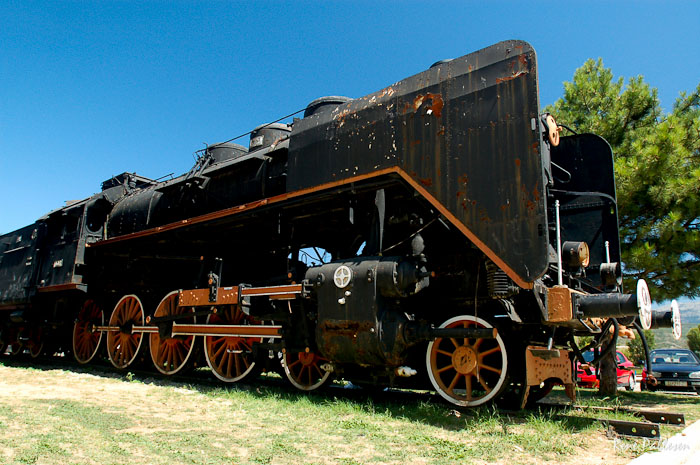
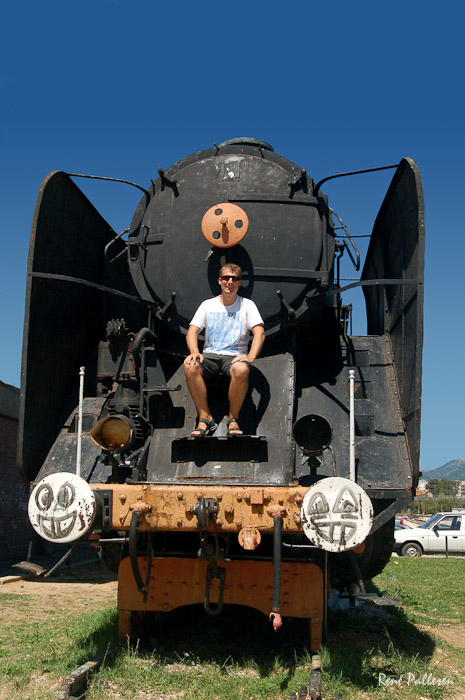
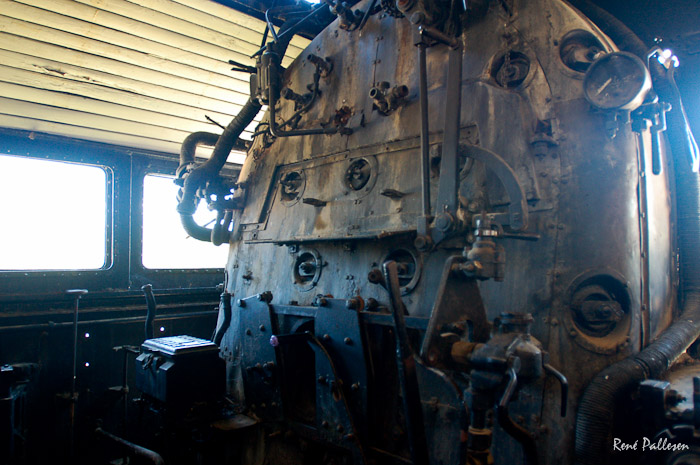
After about seventy kilometres we were across the plateau and one of the first larger town we arrived to was Knin. We decided to stop here to pick up a few supplies and site down and have some lunch. Not far from the supermarket was the trainstation and here was the very nice old steam locomotive. It was built in Budapest (possibly in 1955) and was now just sitting there rusting.
Knin was also the only place on our trip where we saw a significant military presence. I later found out that this was one of the Serbian strongholds during the was and they tried to break free of the newly independent croatia in 1991 as the Republic of Serbian Krajina. As it attempted to break off from Croatia in
1991 they ethnically cleansed the area of non-Serbs and set up their
own local government. In 1995, the Croatian army retook the region and the majority of the Serb population fled or was displaced. There are today still some tension in the area and there are not a lot of opportunities. It is also close to the border and strategically located so hence the large military presence.
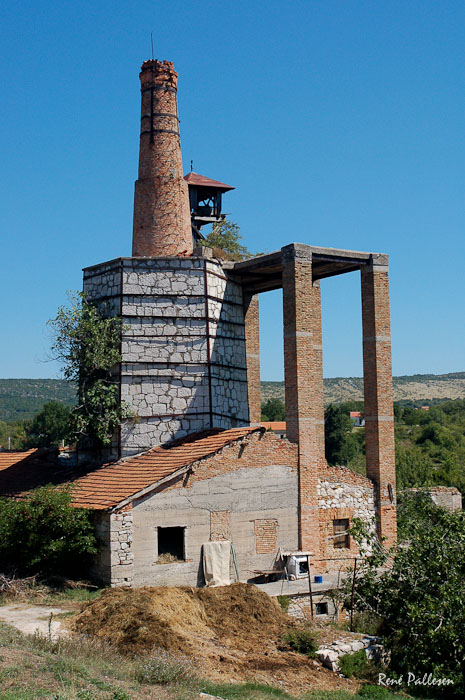
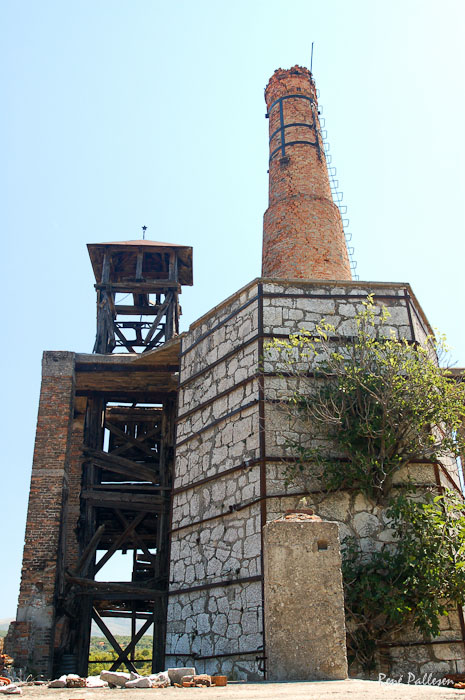
Just outside Knin we passed this weird structure on one of the farms. It was liks a big silo, but with a large chimney on top. Next to it there was a a wooden structure with some hoisting structure in it. I have no idea what this structure was for. It could be some sort of a furnace for melting something, but to be honest I have no idea...I would love to find out what this structure was for?? Today it looks like the building is used to store cow manure. There are some vineyards in the area so this could possible provide a clue. My guess is that it was for burning limestone (plenty of that around) to produce cement or mortar.
The remainder of the drive was on a much more busy road with large trucks. We managed to get
Perfect Moments Photography | A Rene Pallesen Journal
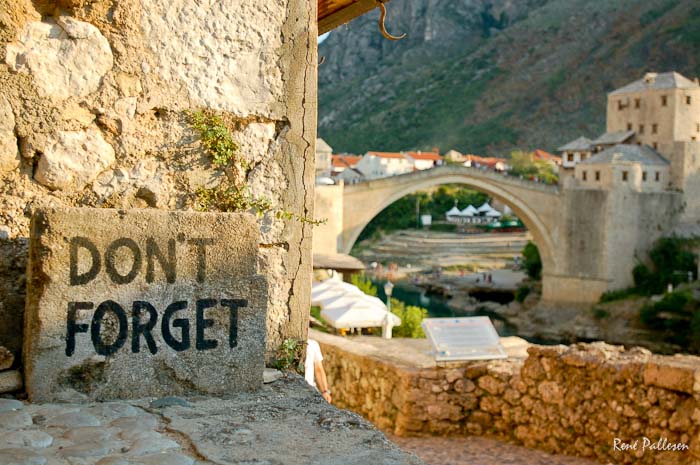
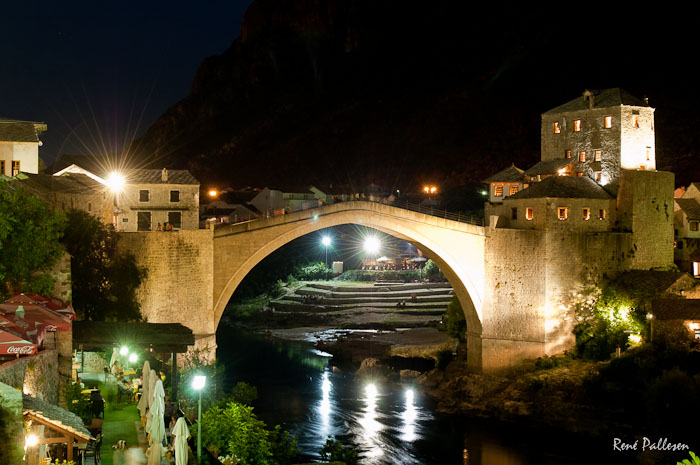
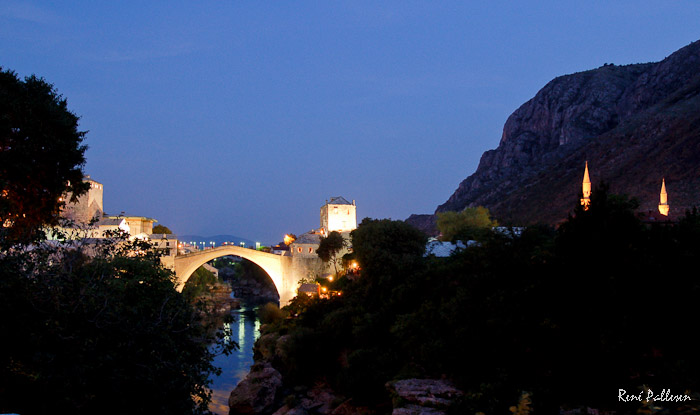
After Split we headed across the border into Bosnia to a town called Mostar. Some will remember Mostar from the terrible fighting that took place here during the war in Yugoslavia in 1992 and 1993. The town has this beautiful river running through it with this anciant bridge running across it. During the war this bridge was blown up by the Bosnian Croat forces but has now been re-built thanks to the United Nations and especially Spain. The original bridge was built during the ottoman empire during the 16th Century.


The Bridge looks even more stunning at night and especially with all the mosques in the surrounding area.
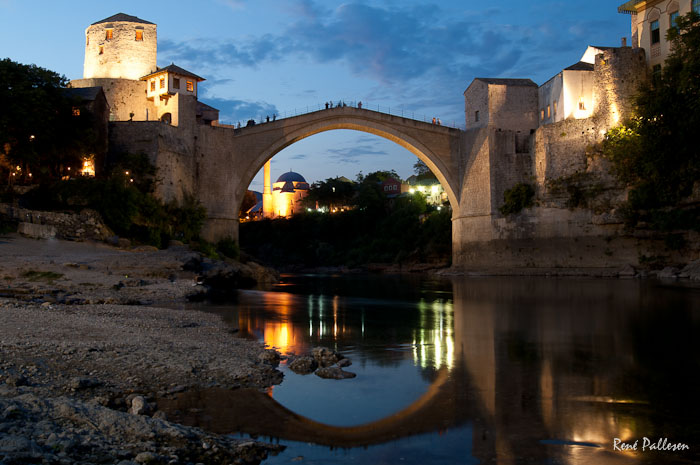
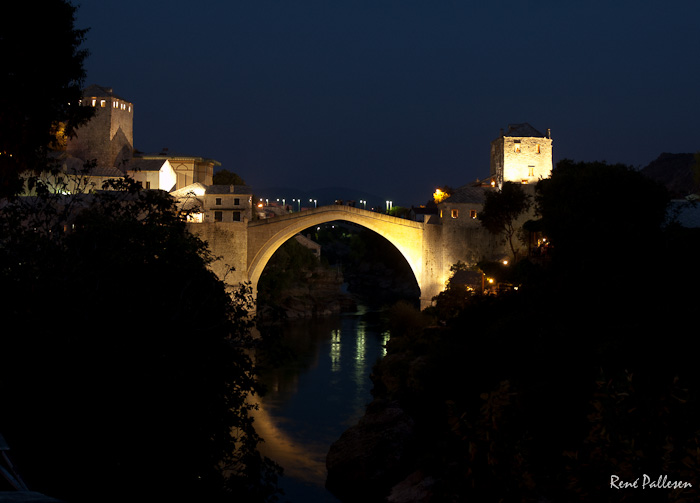
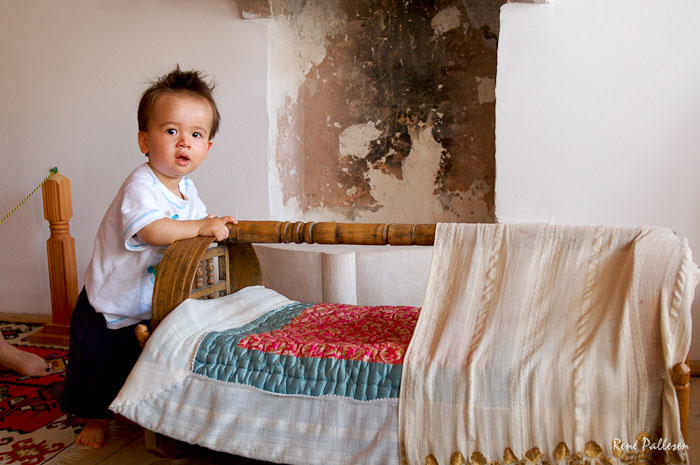
Mostar is only a few hours drive from the border up through this beautiful valley. Today a fair number of tourists go to Mostar to see the bridge, but most of them only stay for one night and then move on. We decided to stay for two nights because it was easier with Aiden. Again Kim had done a good job finding accomodation in at Old museum (more like a beautiful old house really)...the was also the only house that was left more or less intact after the war (only a few mortar shells through the top floor).


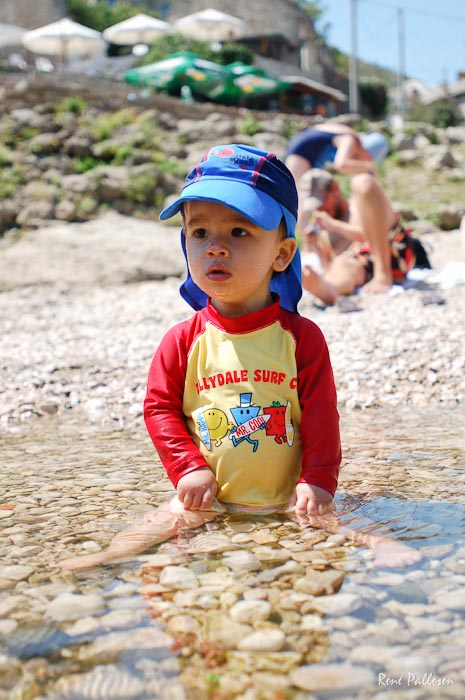
During the day we spent a few hours on the river going for a swim. The water was quite cool coming from the mountains and there was a lot of current so Kim and Aiden stayed at the edge, but I jumped in a few times and let the current take me a couple of meters before heading back to shore.

The locals jump off the bridge and into the river...and it is a fairly high jump from the bridge to the water (24 metres apparently). Every year there is a special festival where they do it, but now they mainly do it to entertain the tourists for a bit of money in return.
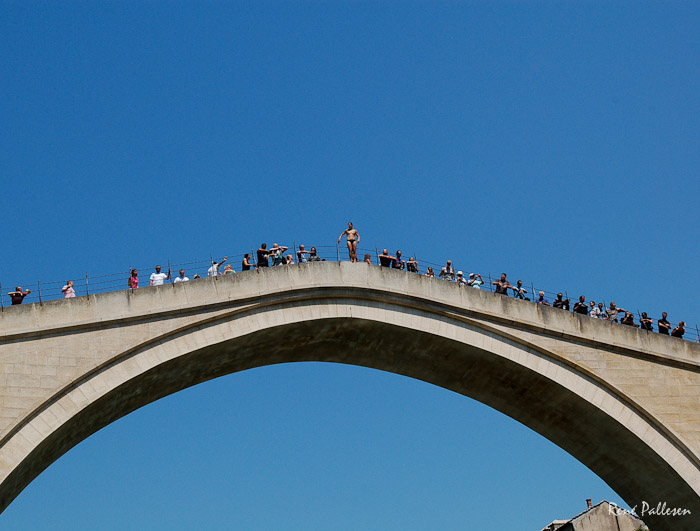
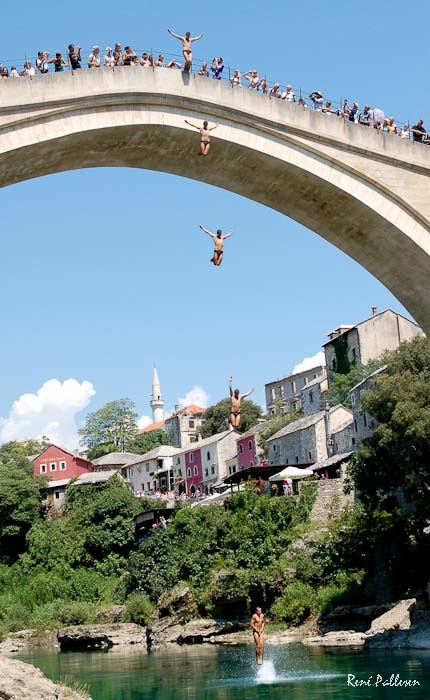
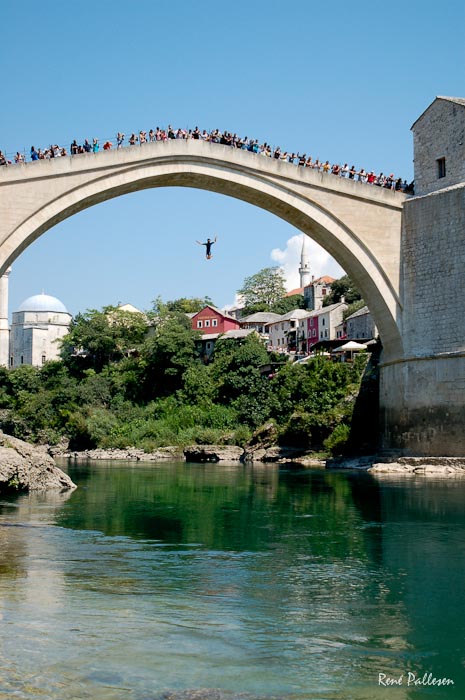
People were very friendly in Bosnia, of all the places we travelled through we probably found the croats the least approachable and helpful.
During the war the town was surrounded by Bosnian Croat forces and the population consisting mainly of muslims decided to defend themselves. The city was hammered to pieces by Croat artiliry fire and even today it is hard to find a house without scars from bulletholes and grenades.
It is worthwhile to have a look at the following video to see what
happened here in 1993:
Mostar in 1993
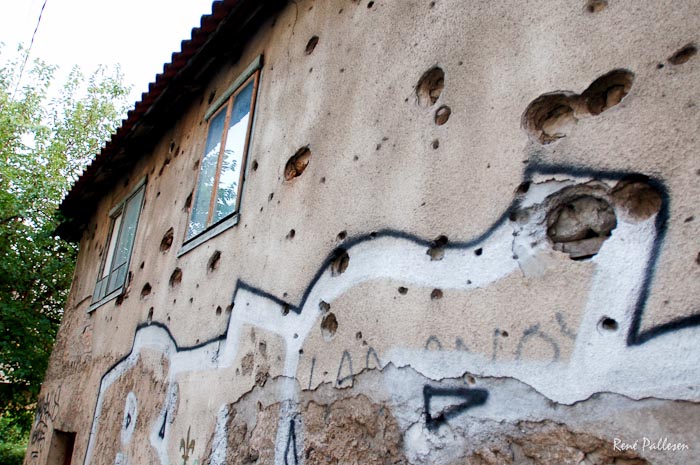
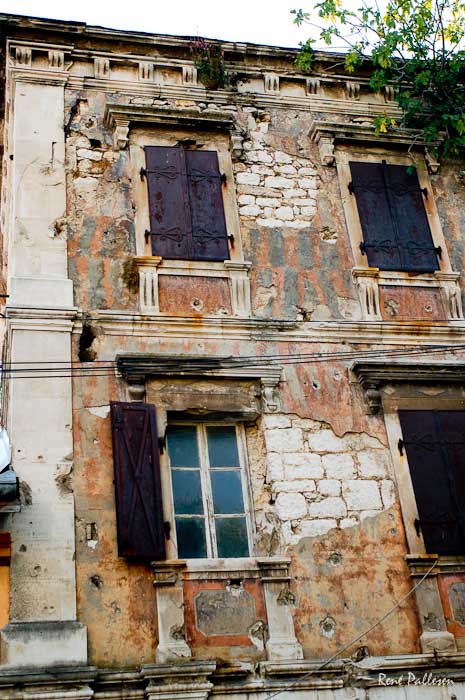
Mostar is surrounded by steaphills and it would have been almost impossible to find cover from snipers and artiliery from above.
Now almost 20 years later there are still many ruins right in the centre of east Mostar where we were staying and there are lots of house that are full of bulletholes and people are still living in these houses.In the houses that have not been repaired it is almost impossible to find a 30 by 30cm patch that does not have a bullet hole or grenade fragments in it. It would have been a hell on earth living or fighting here during these times.
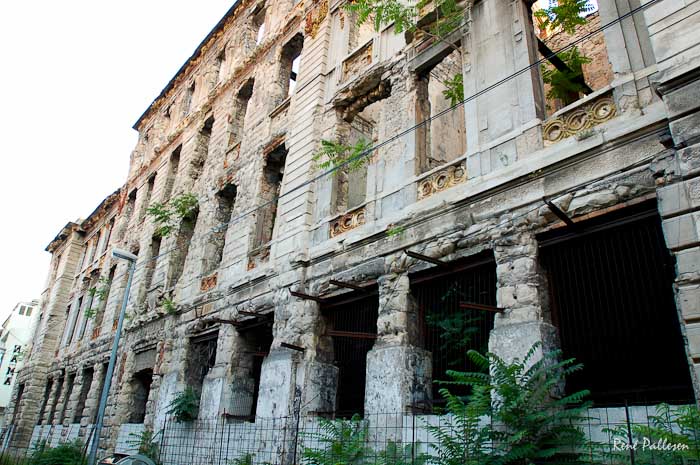
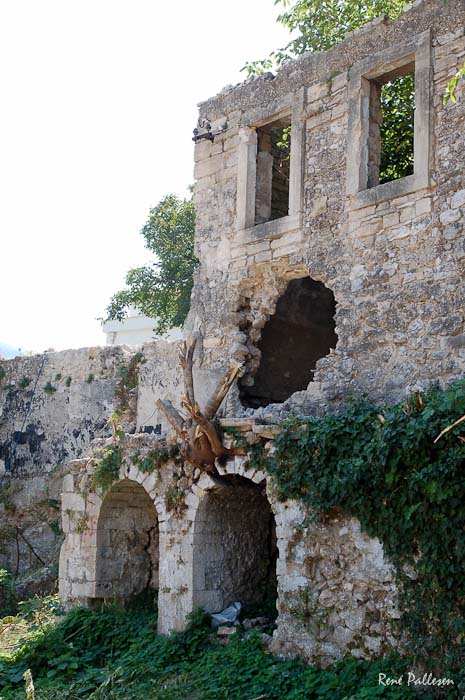
Inside the city limites there are three cemeteries and they are all full of victims killed in 1993...all mixed with Muslim, Christian and Orthodox. It is a very sobering experience to see that every grave is marked with the exact same year and that almost every victim was born at about the same time as Kim and myself.

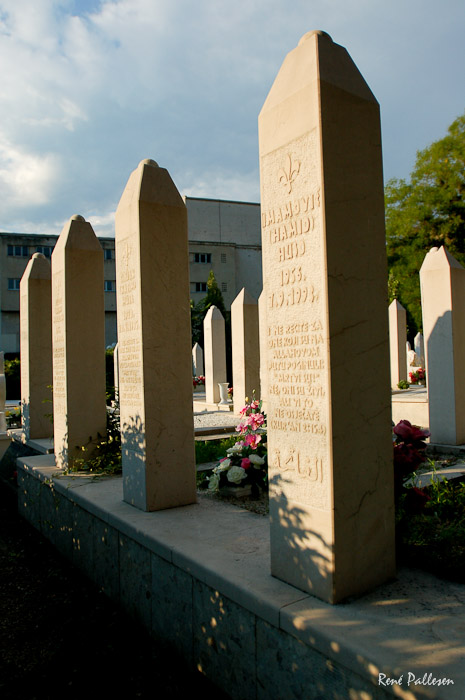
Today the population seems to be getting along regardless of background and religion.
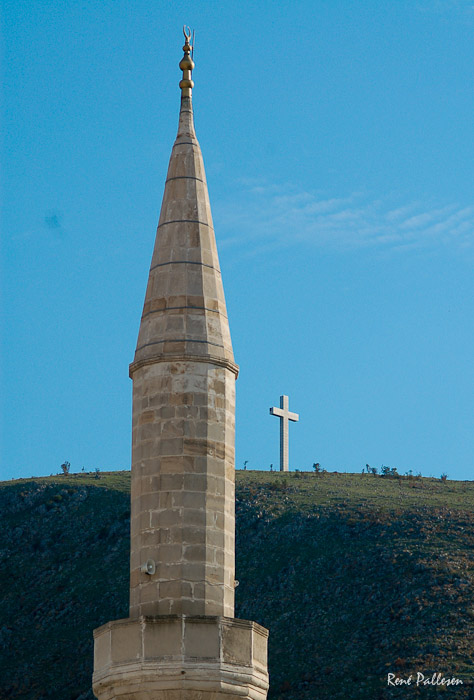
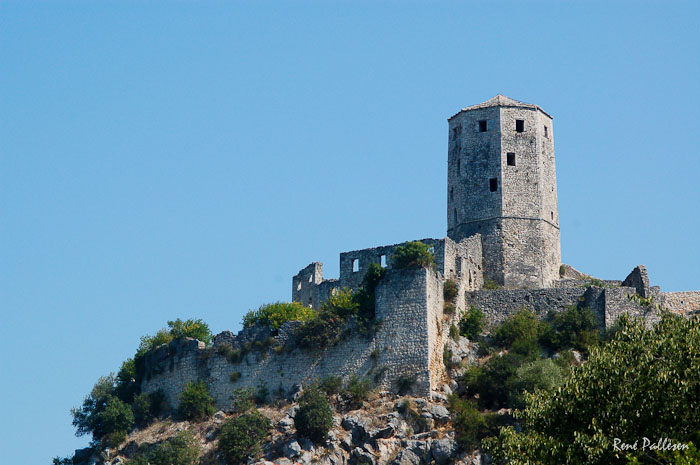
The surrounding hills in the valley driving in from Croatia also have old castles and ruins on them. It is a very scenic drive and highly recommended.
We have a very nice time in Bosnia and we can highly recommend that people go there to visit.

People should not forget Mostar and especially not forget what happened here in 1992 and 1993.