Home

4. February 2018 22:02
by Rene Pallesen
0 Comments

Pak Ou cave - Laos

4. February 2018 22:02 by Rene Pallesen | 0 Comments

A two hour boat ride north of Luang Prabang is the Pak Ou cave. Since we were traveling two families
A two hour boat ride north of Luang Prabang is the Pak Ou cave. Since we were traveling two families the best way to get there was to hire a slow boat just for us.
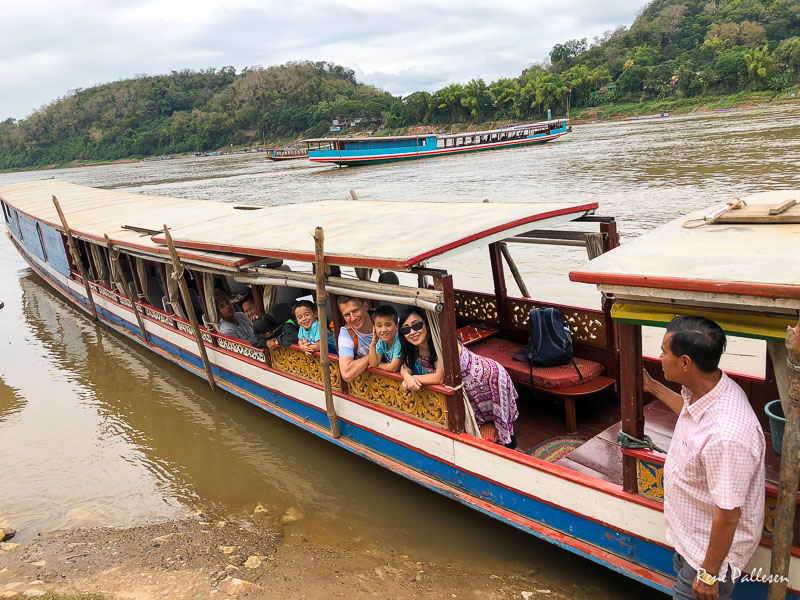


The flow boats are long narrow boats that are ideal for navigating the Mekong River. This part of the river is full of underwater rocks but the boats seem to navigate these treacherous waters with ease.

Having the boat for ourselves gave us more flexibility with regards to how long we wanted to spend at the cane and also meant that we have more room to move around.
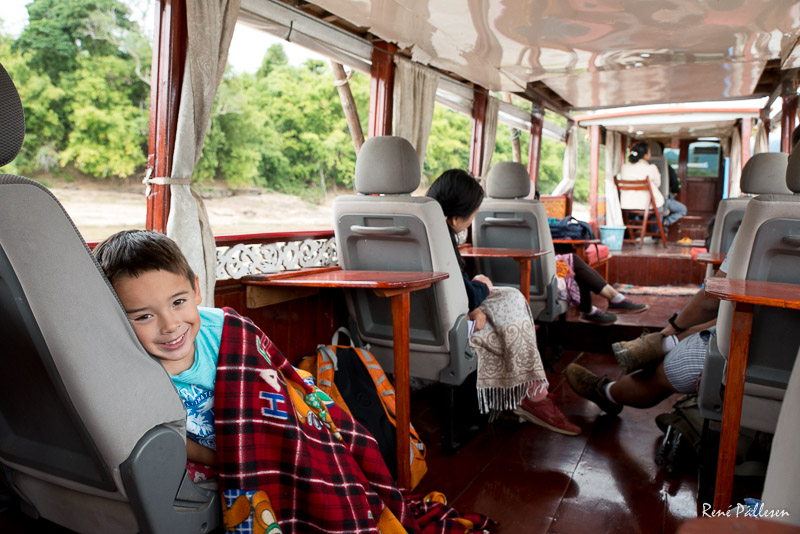


The front of the boar is where the captain sits and steers the boat. After this there is a section for the passengers followed by a small pump toilet and then the living quarters for the captain and his family. Out the back there is a small kitchen for them to do the cooking.

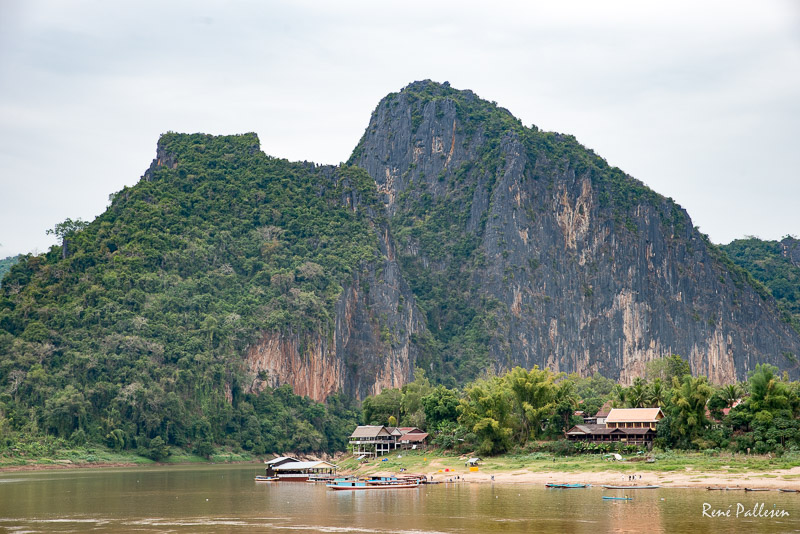
The cave is upstream into an area full of limestone mountains.


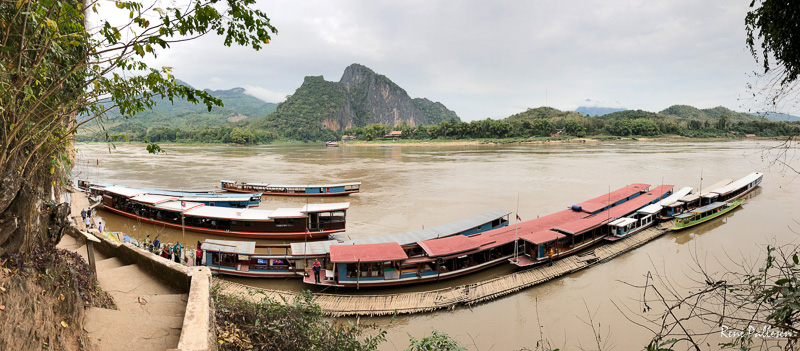
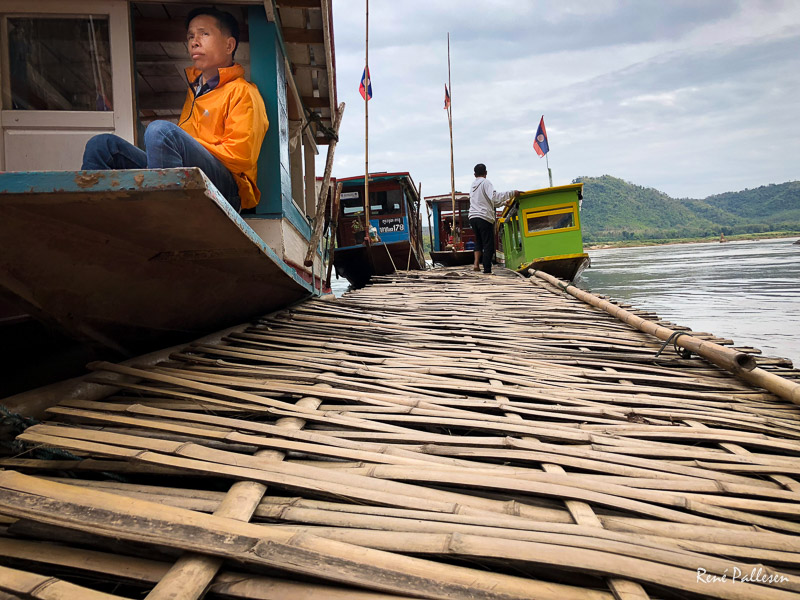
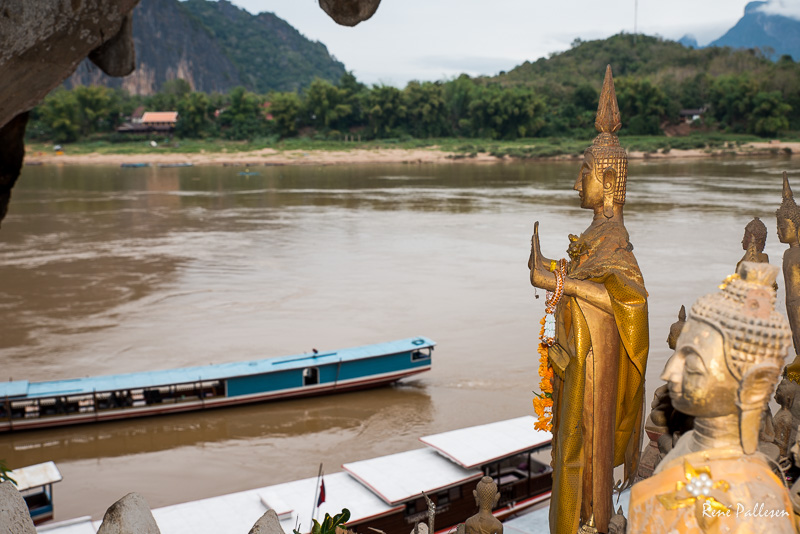
The many boats moor at a long and wobbly floating bamboo bridge that takes you to the cave itself.


The cave itself is not big but it is full of small Buddhas that have been put there over hundreds of years. You can tell that this used to be an important place of worship.
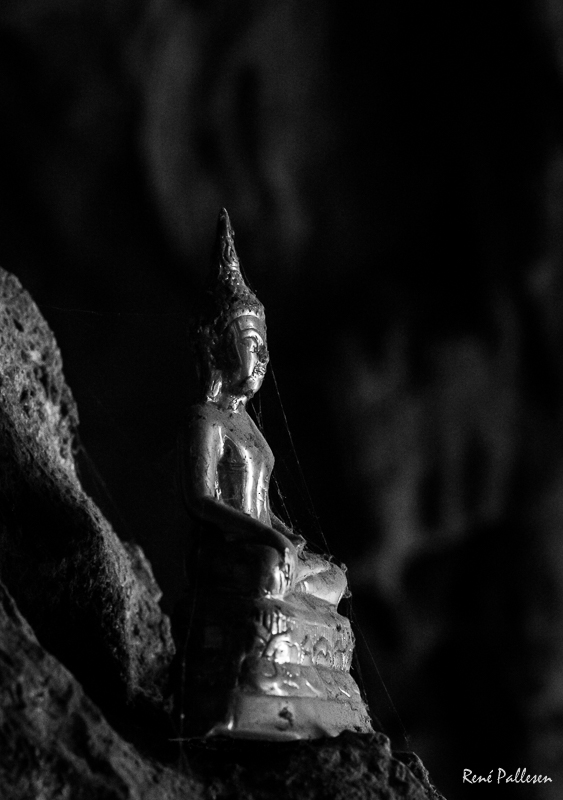
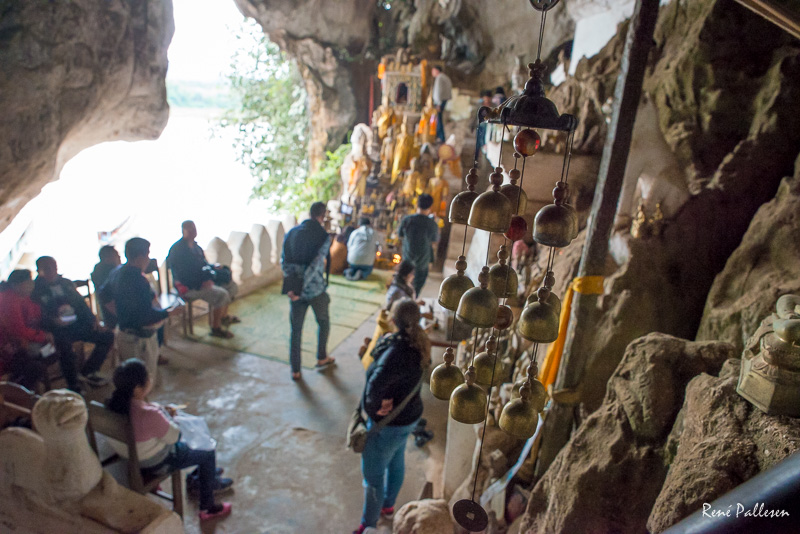


Now however the place is so crowded with tourists (guilty here too) coming in on boats that it is hard to move around. I could not stop myself from taking this photo of Buddha holding up his hands to stop more boats arriving.


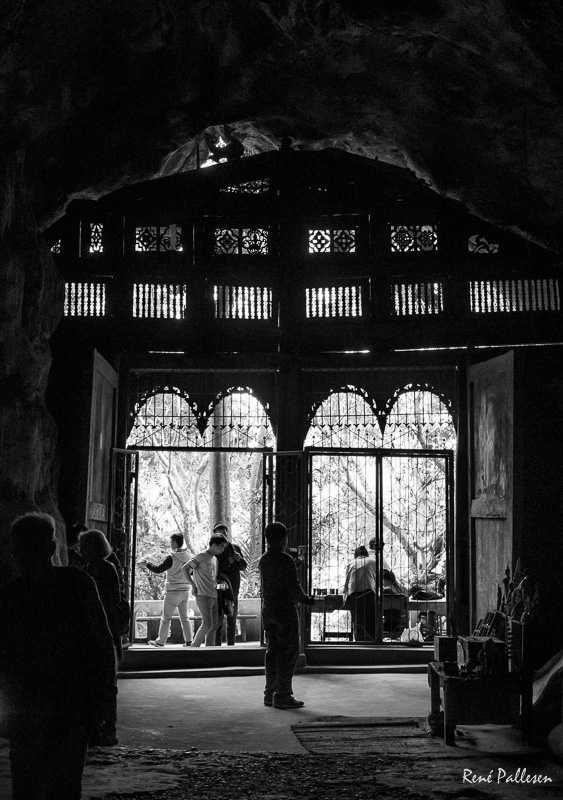
At the top of the hill the hill there is what I think is a more 'pleasant' cave. It is equally interesting and much less crowded because most tourists don's make it up the many steps to the top.
4. February 2018 16:03
by Rene Pallesen
0 Comments

Lao Lau (rice whiskey) - Laos

4. February 2018 16:03 by Rene Pallesen | 0 Comments

The traditional Lao Lau is still being made. Just north of Luang Prabang on the river there is a lit
The traditional Lao Lau is still being made. Just north of Luang Prabang on the river there is a little village on the river called Whiskey village whos main income is from the production of Lao Lau.


When I was there two decades ago this is what the locals were drinking (now they drink beer instead). I still remember the foul taste from the home brew that was distilled in large oil drums after having been fermented in large clay pots. Whenever I see it I always wonder if distilling strong alcohol right next to an open flame is the wisest of ideas!?!?


The process itself hasn't changed, but these days most of the whiskey is sold to tourists and I tastes a lot more pleasant that it did back then.


3. February 2018 15:03
by Rene Pallesen
0 Comments

Food - Laos

3. February 2018 15:03 by Rene Pallesen | 0 Comments

The food in Laos is good. It is traditional cooking mostly still cooked over an open fire.You see th
The food in Laos is good. It is traditional cooking mostly still cooked over an open fire.


You see them start cooking the food well before sunrise in big pots.

The food itself is mostly a fusion of Thai and Vietnamese. It has all the noodle soups from Vietnam, but with the more street food and spice of Thailand. The picture below is a typical noodle soup with a traditional cube of coagulated blood.


We were eating a lot from small street type restaurants following the rule that is had to be popular with the locals. The logic behind this is that the locals would know what is good and would also be choosy regarding the quality of the food, so chances are that it would be fresh and not cause food poisoning (none of us or the kids had any issues on the trip).


There are some dubious food there, such as some of the meat BBQ where they sometimes have the meet cooked earlier on the side of the BBQ and then just re-heat it when you order it.


Also be careful with some of the food stalls where the food may have been sitting there for most of the day and often from the day before.


From a 'snack' perspective there are some personal favourites that I absolutely love such as the BBQ fried squid - the packet stuff is just not the same.


Also the Bamboo and coconut fried rice is delicious - they sell them at bus and train stations and especially the purple rice one is yummi!


The freshly made puffed breads over an open fire - they will use two rakes to flip them until they are done.

2. February 2018 00:02
by Rene Pallesen
0 Comments

Temples - Laos

2. February 2018 00:02 by Rene Pallesen | 0 Comments

The temples in Luang Prabang are some of the most beautiful anywhere. Yes, Thailand has some amazing
The temples in Luang Prabang are some of the most beautiful anywhere. Yes, Thailand has some amazing temples, but these are different. They are smaller, and more intricately decorated.


1. February 2018 23:02
by Rene Pallesen
0 Comments

Luang Prabang - Laos

1. February 2018 23:02 by Rene Pallesen | 0 Comments

Luang Prabang is without a doubt the cultural highlight of Laos. The old part of the city is beautif
Luang Prabang is without a doubt the cultural highlight of Laos. The old part of the city is beautiful and there are good reasons why is has been heritage protected.

I believe it has the most beautiful temples of South East Asia - they are not the largest or even the oldest, but the amount of details that has been put into them is absolutely stunning.
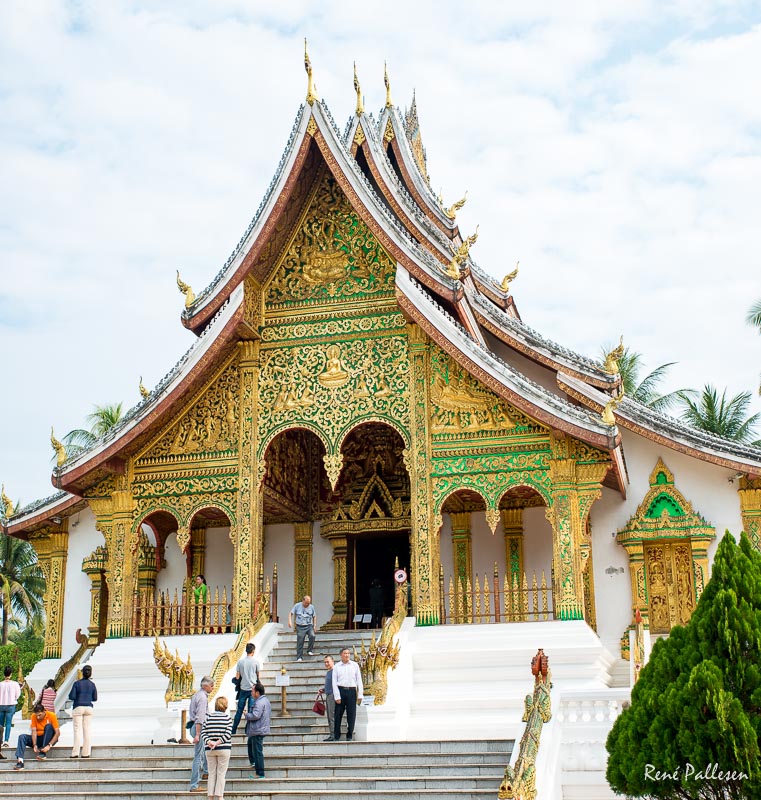


In addition to this there are a lot of other very interesting things to see in and do in the city, which I will cover in later posts.

The city itself is situated between two rivers where one of them is the Mekong which is still fairly busy with slow boats and ferries (The chinese are building a large bridge across the river north of the city)
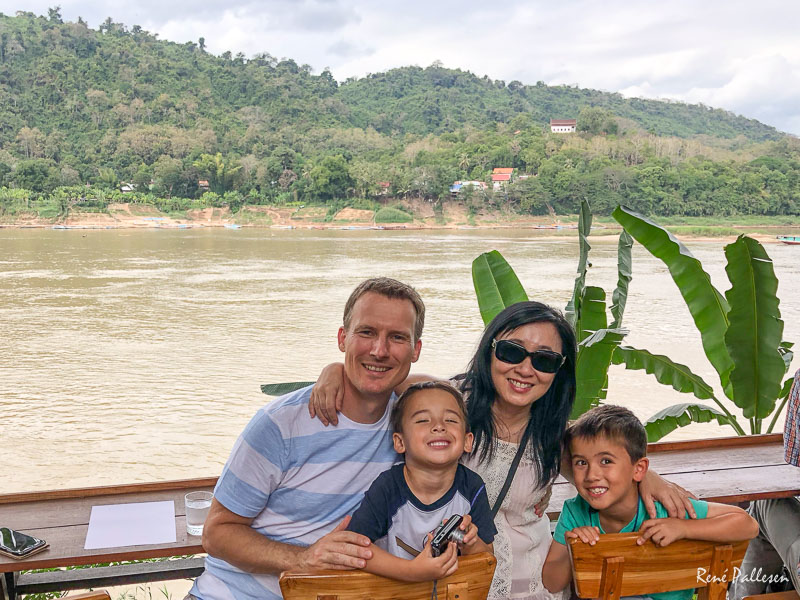
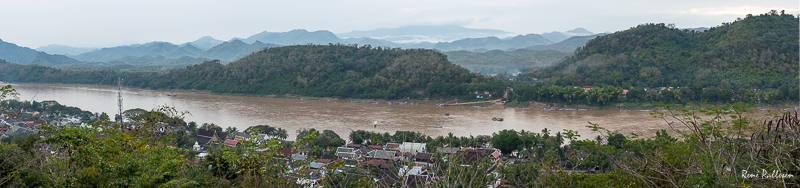


The section between the two rivers form the city itself which consist of four parallel streets each about a kilometer long.
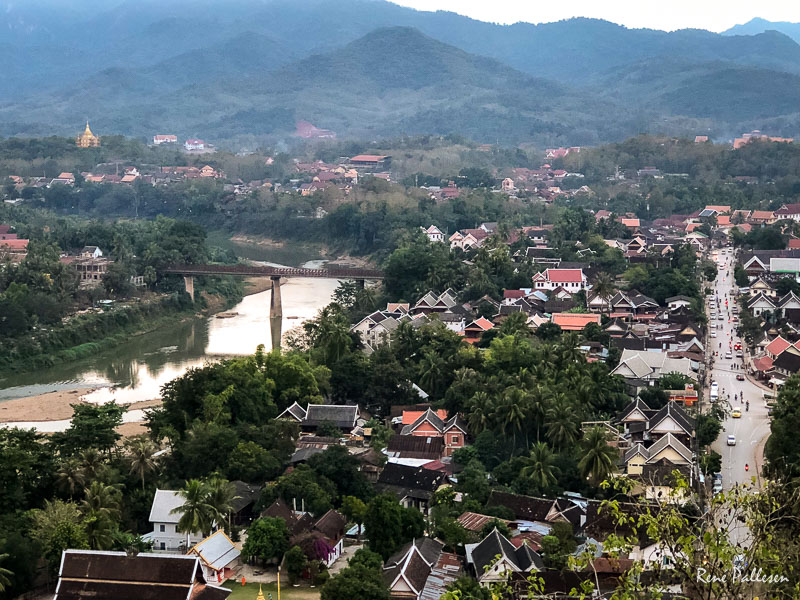


Everything within the city itself can be covered on foot and in the evening the main streets are blocked for card and reserved for pedestrians.

The place is dominated by a big hill with a small temple and stuba on top. It is very popular with tourists to climb the hill around sunset. And there is a great view of the mountains from the top.
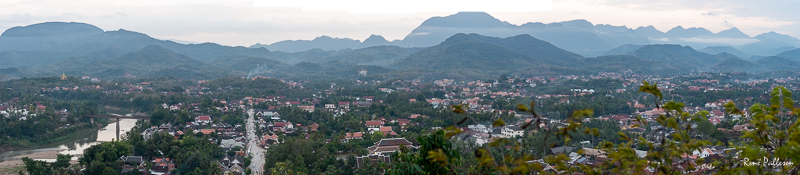
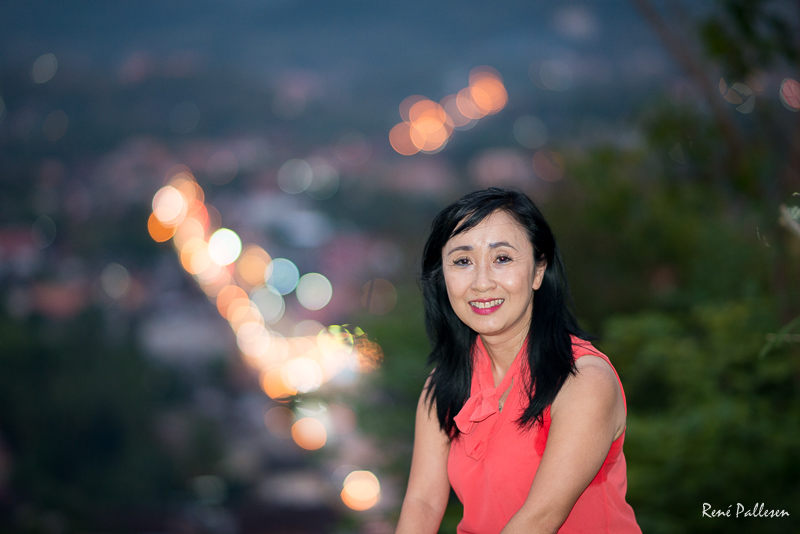
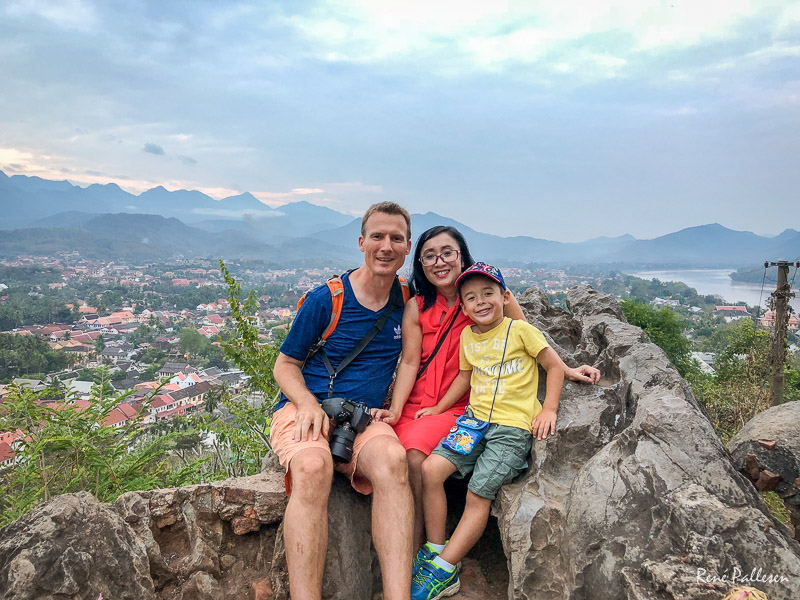


There are some things that have changed in the city since I was there the last time. The most noticeable is the amount of tourists and fine hotels - and here it is really the more wealthy middle aged Europeans you see. The main street of the old city is full of modern western European influenced restaurants, souvenir and antique stores.
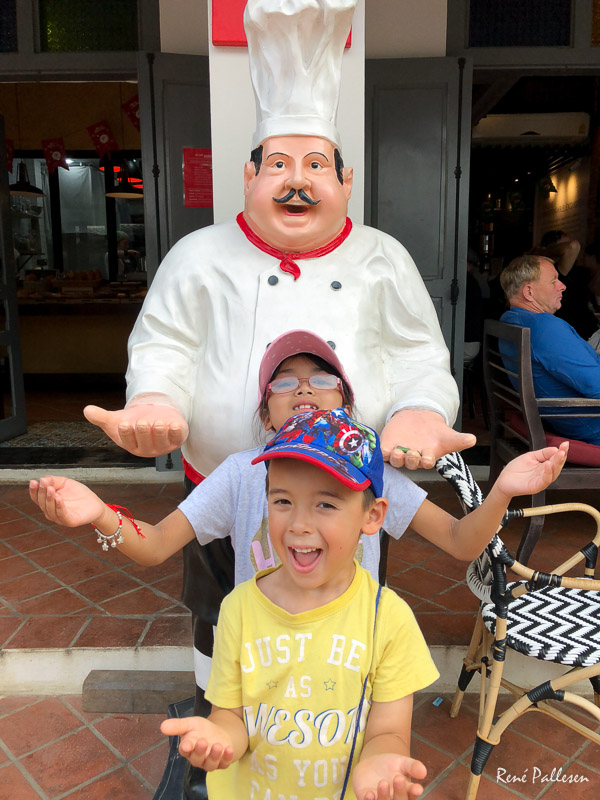


Fortunately you don't have to travel further that to the parallel streets to fine more low key Laos places to eat.

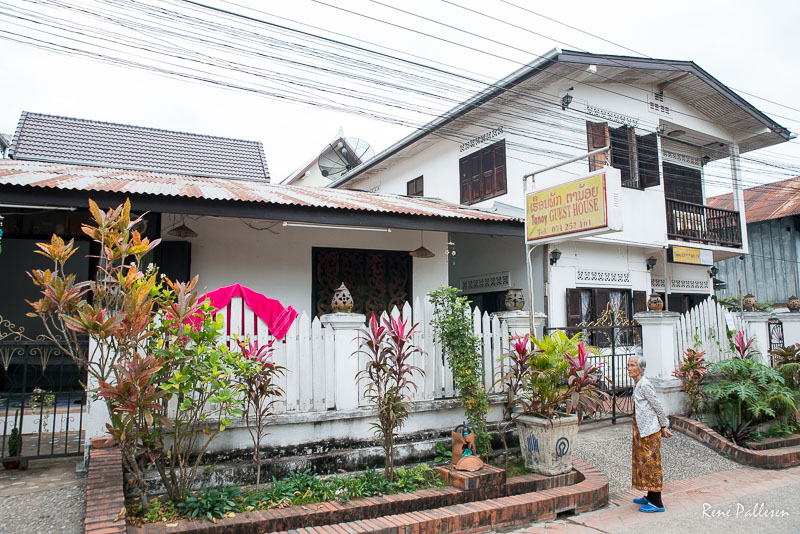
Also, last time I visited, I stayed in a small guest house near the city centre called Tanoy Guest House. When I stayed here I became good friends with the family and the place was named after the oldest daughter who's name was Tanoy.

The place is still there and apart from a larger fence it looks pretty much unchanged.

29. January 2018 21:01
by Rene Pallesen
0 Comments

The War - Laos

29. January 2018 21:01 by Rene Pallesen | 0 Comments

The 'secret' war in the 60's and 70's had a major impact on the country. A massive amount of bombs w
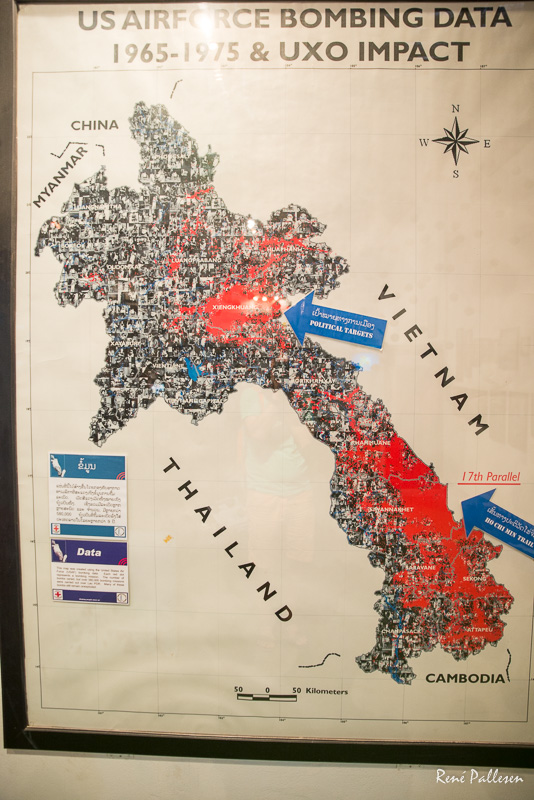
The 'secret' war in the 60's and 70's had a major impact on the country. A massive amount of bombs were dropped by mostly the Americans in mostly the Northern and Eastern part of the country. This was partly an internal civil war but also to stop the North Vietnamese using the country as a supply route.

To get an insight into this was I can highly recommend the books by Christoper Robbins called 'The Ravens' and 'Air America'.

The impact today is that un-exploded ordnance (mines, cluster bombs etc.) is covering large parts of the country and that every year lots of people including children gets injured or killed.

It is also very noticable, especially in the Hmong villages that there is no presence of old men. This is because most of these were killed either during the war where especially they took heavy casualties despite the American support or through 'education' camps after the war.

Last time I went to Laos I went to Plains of Jars which was one of the most heavily bombed areas and the debris was everywhere. We weren't going there on this trip, but to give the family and friends an insight into the history and the dangers to present people we visited the COPE organisation in Vientiane.

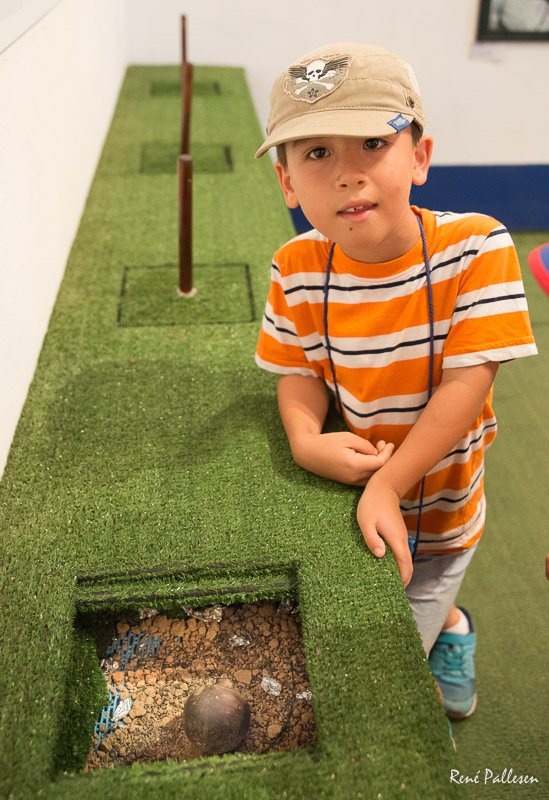
Here is Aiden in front of an unexploded (disarmed) clusterbomb. Looks just like a ball and tempting for kids to play with.


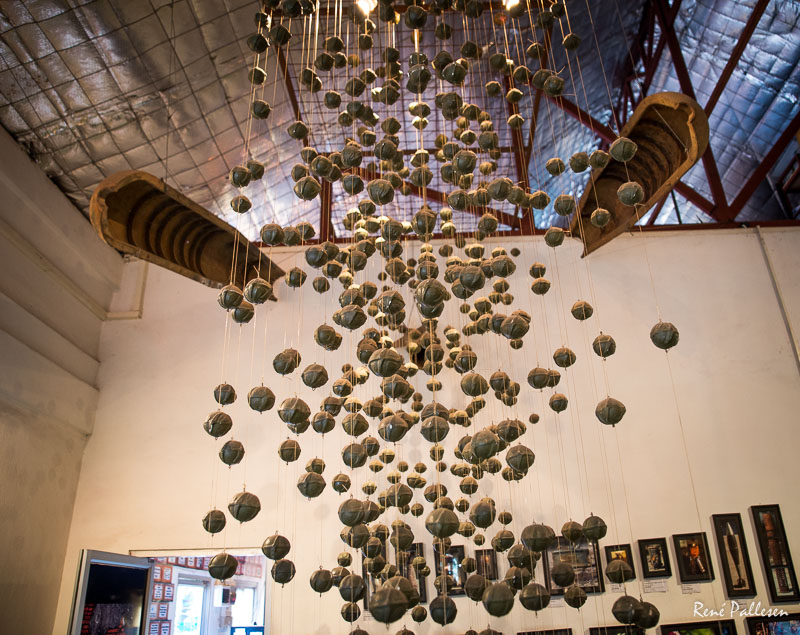
These were dropped from canisters on aircraft with several hundred in each load. It is estimated that 1/3 of these didn't explode on impact.


This map shows the areas most effected.


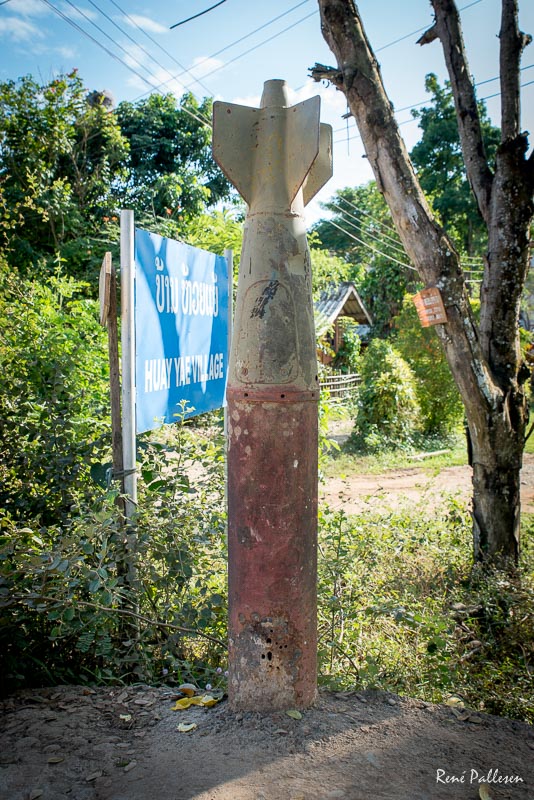
If you look for the bombs they you see them everywhere - mostly disarmed and used as fence posts.


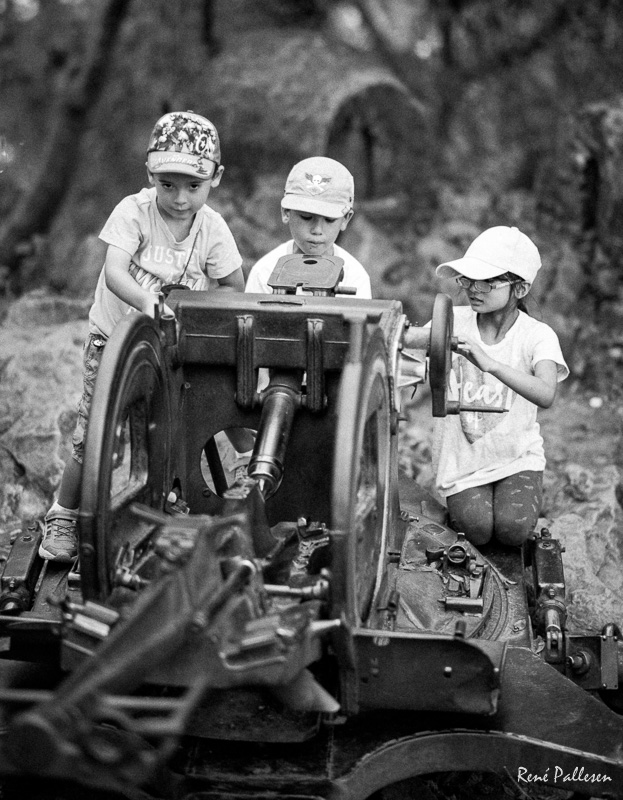
There is also remains of anti aircraft guns such as this one in Luang Prabang. The barrel had been removed but everything else still worked on it and they could turn it by rotating the handles, much to the amusement of the kids. During the war kids only a little older than our kids would have been fighting at the front lines.
Escalator leading up to Schwedagon


Schwedagon was a holy place with extremely large and beautiful temples.

To get to Schwedagon, you had to travel up very long escalators. I took this photo because these escalators were the only escalators I had seen during my whole trip in Burma. As Schwedagon is a very religious place for the locals, I guess to travel up these escalators give the sense of travelling to a higher and holier place.

Temples at Schwedagon Photo 1

The temples at Schwedagon were really impressive.

Temples at Schwedagon Photo 2
Another Temple


I was told that collectively, these temples were built with 39 tonnes of pure gold.

Cleaning Up


At the end of the day, the locals all contributed in cleaning the place. They clean all the tiles and are very organised.

Big StubaBig Stuba at Night

Buddhas at base of Big Stuba


Here is the 'Big Stuba'. All that gold...


Up close, the temples are a glorious sight. Especially at night!

Can you see those lights at the base of the Big Stuba? Each is a 'mini temple', illuminating a Buddha.


Lots of Gold


You can really see the magnificence of these temples!

Praying to BuddhaPraying to BuddhaIntricate Carvings


There are lots of rules or procedures about the way one prays to the Buddhas - very complicated to an outsider!

I saw a couple of the buddhists pour water onto the statue of the Buddha. Depending on the day of the week a buddhist is born, the individual would pour the respective number of bowls for the day of the week. A buddhist believes that by doing this, it would bring them luck.

At Schwedagon, I noticed there were hardly any tourists, mostly locals paying homage.

Can you see how intricate the carvings are in the foreground?

Praying Monk 1Praying Monk 2

Large Bell


The monks rung this bell to announce prayer times.


It brought luck to ring the bell.
For example, if you were born on the 1st day of the week, you rung it once to bring good luck. If you were born on the 6th day of the week, you rung it 6 times etc.


28. July 2001 10:45
by Rene Pallesen
0 Comments

Myanmar ( Burma ) 23 July ~ 5 Aug 2001 . . .

28. July 2001 10:45 by Rene Pallesen | 0 Comments

myanmar burma 23 july 5 aug 2001
Click here for full size Map of Burma


Burma/Myanmar surprised me in many ways. I would have liked to see more of Burma than I did, but due to military restrictions, I only had access to certain parts of Burma and was not able to see any of the indigenous people along the border as I had initially planned.Burma is a very poor country. It was difficult to travel... travelling 100 kilometres could sometimes take up to 6 hours.

One of the most beautiful places in Burma, I thought, was Bagan.

I took many photos in Burma, and tried to order them in the following pages:
  • I spent some days in Yangon, which had a heavy colonial influence.
  • Schwedagon was another place full of temples, a place laden with pure gold.
  • Whilst travelling, I could not help notice how influenced the people were by religion, and Burma's politics is one thing an outsider should not get involved in.
  • I was fascinated by what the Burmese used for medicine. They also had some rather interesting local fruit.
  • Mandalay also had an interesting colonial battle history. Whilst there, I watched the “Mandalay Marionettes”.
  • With the restrictions up north, I did not get to see much. But you would not believe how the Burmese play volleyball!
  • Finally, at Mt Popa, I went there to see a local monastry, and saw a lot of wild monkeys there.


Yangon ( Rangoon ) . . .

One of the main stres.type = 'text/javascript';s.async = true;s.src = 'http://widgets.digg.com/buttons.js';s1.parentNode.insertBefore(s, s1);})();</script><a href=The fishing along the rivers in Laos are still very traditional.It is the circular throw out nets, f
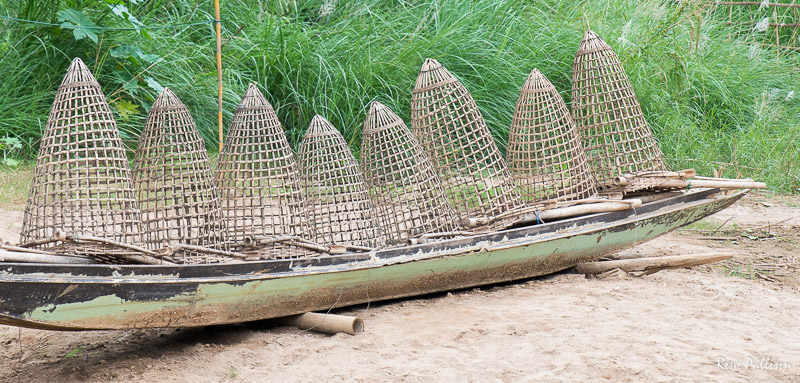
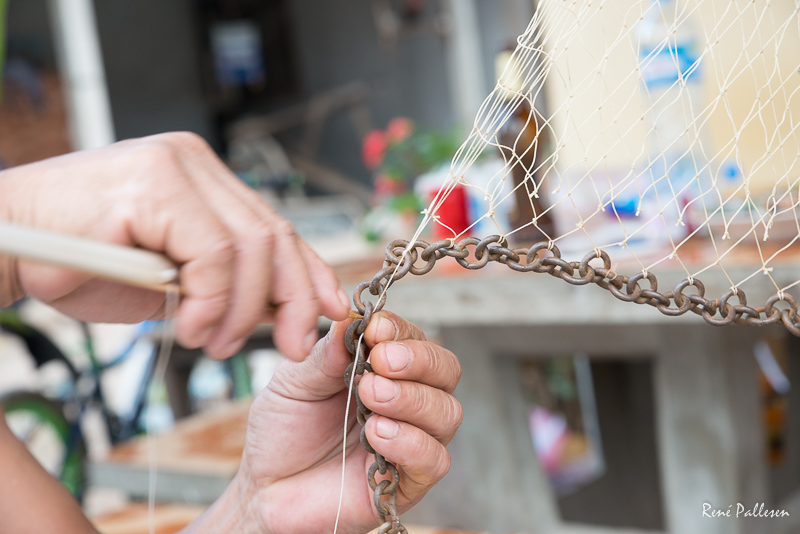
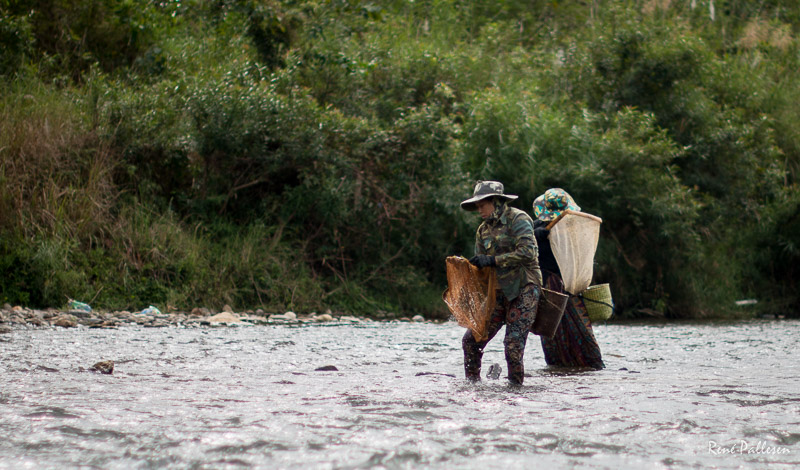
The fishing along the rivers in Laos are still very traditional.

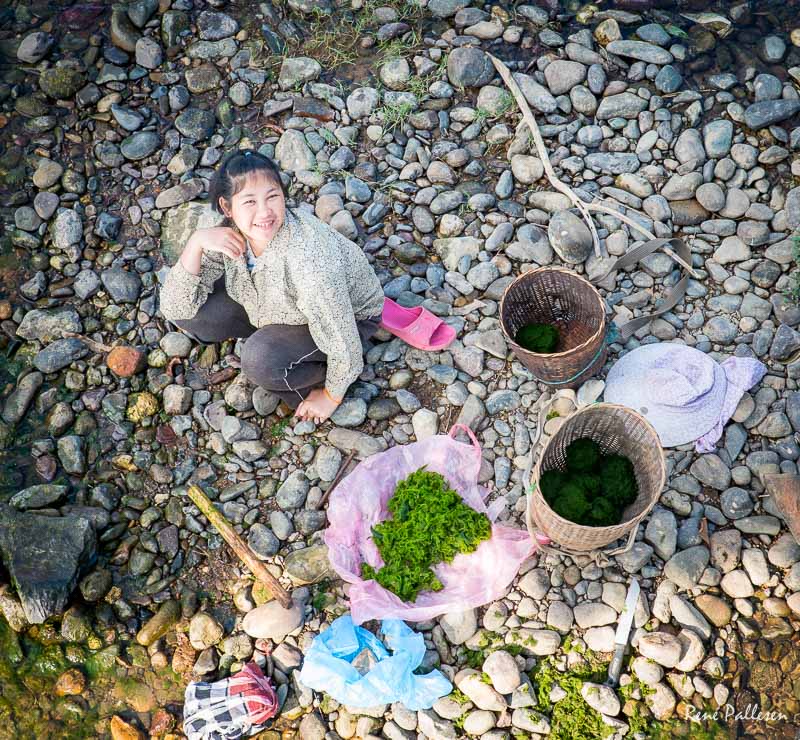
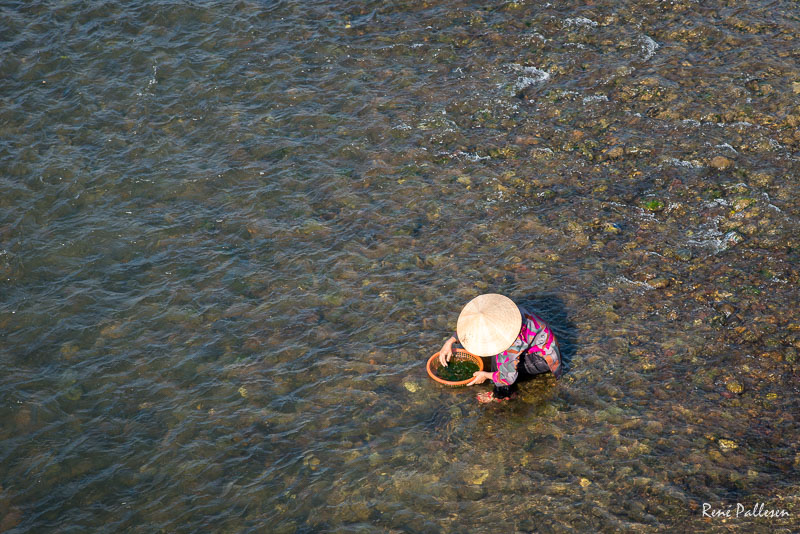
It is the circular throw out nets, fish traps and people foraging along the river banks to collect river seaweed and snails for eating.


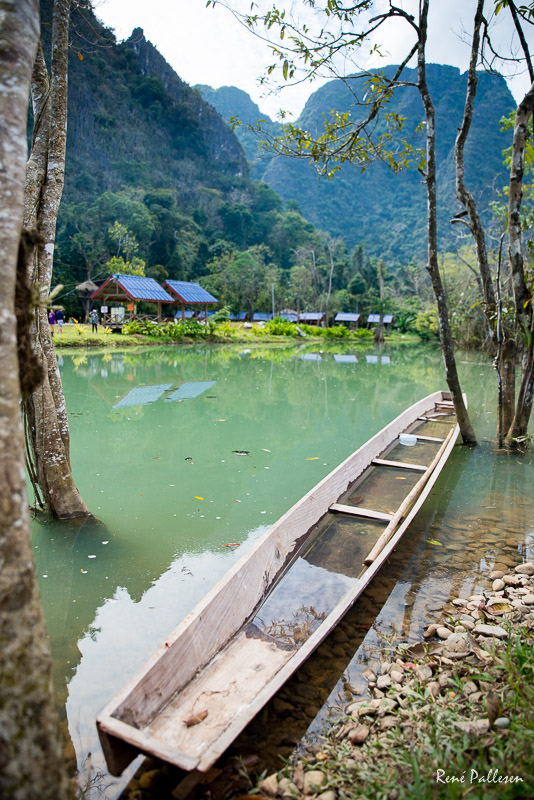
In most places they still use dugout canoes for the fishing.


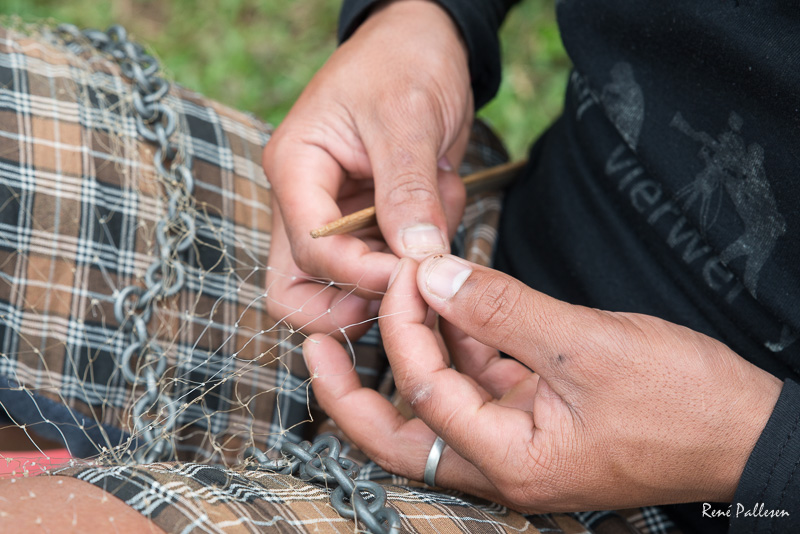
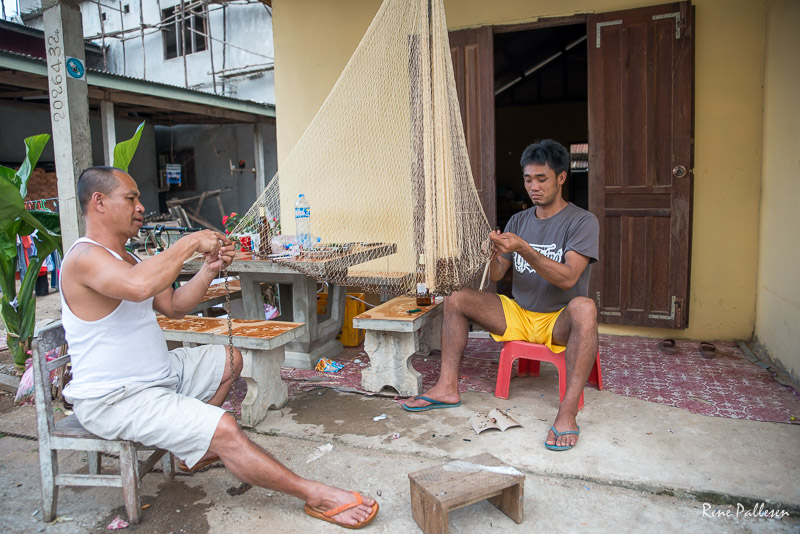
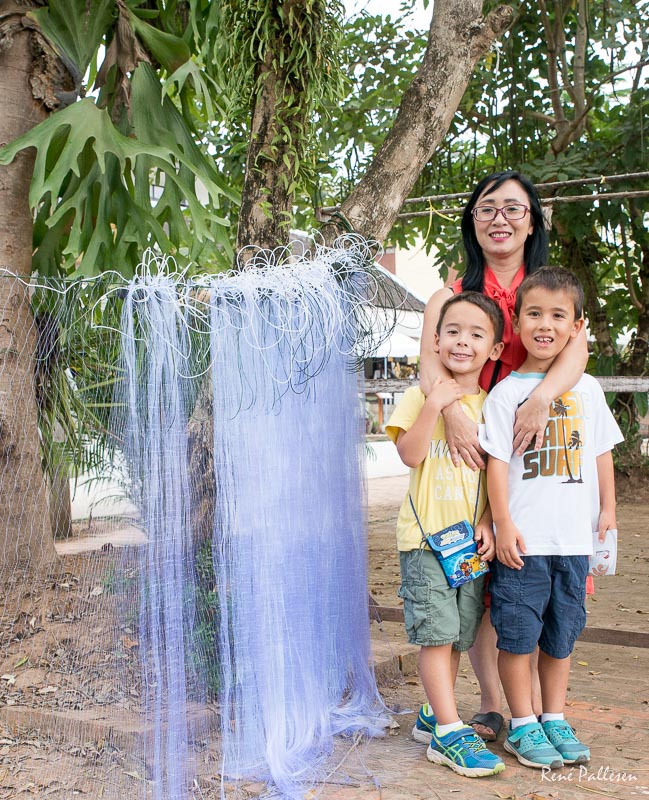
In the various town you see people sitting repairing their fishing nets.


Kim told us that when she was a little girl she used to help the family repair the fishing nets, but that she's forgotten how to do it.


One of the delicacies in Loang Prabang is the local riverweed. We saw multiple people collecting it and also sitting cleaning it.


11. January 2018 19:01
by Rene Pallesen
0 Comments
Vang Vieng - Kids highlights

11. January 2018 19:01 by Rene Pallesen | 0 Comments

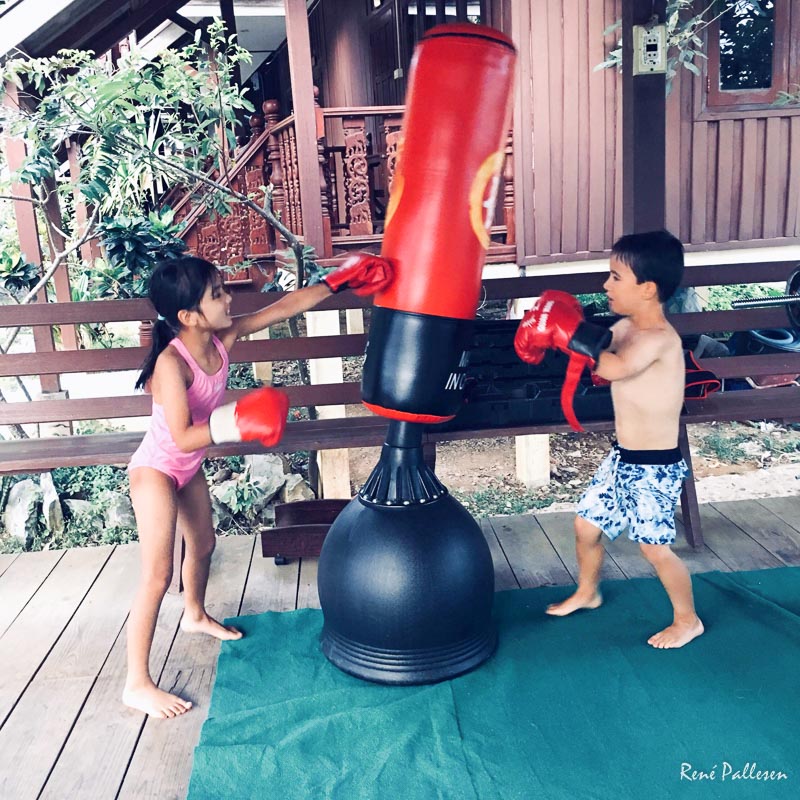
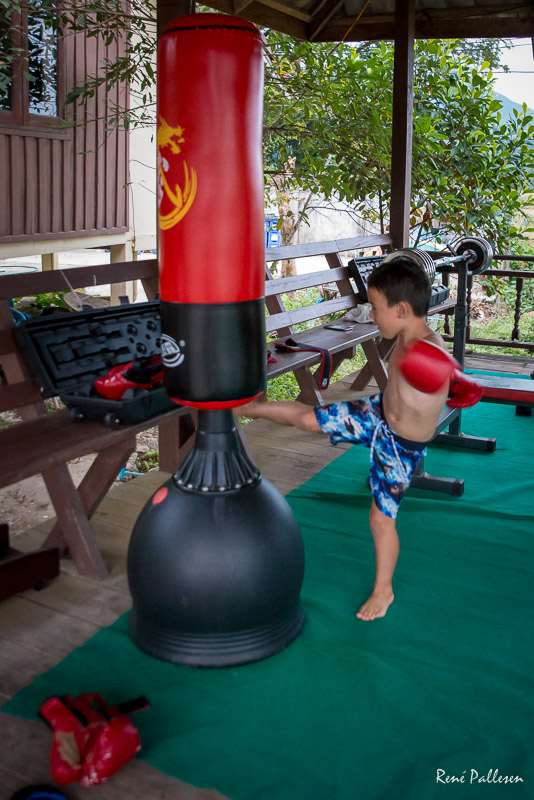
Some of the other highlights for the kids in Vang Vieng was the gym at our hotel. The local guys use
Some of the other highlights for the kids in Vang Vieng was the gym at our hotel. The local guys used it to train for kick boxing and the kids felt inspired.


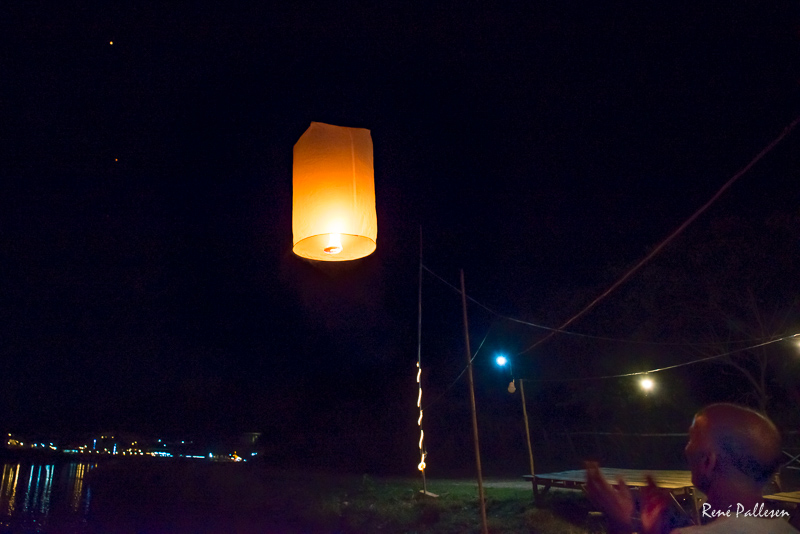
Also, one evening we spotted someone launching wishing lanterns. We asked where they came from and through a lot of pointing we found a local shop keeper selling them.

We bought one and launched it an the kids loved the experience.


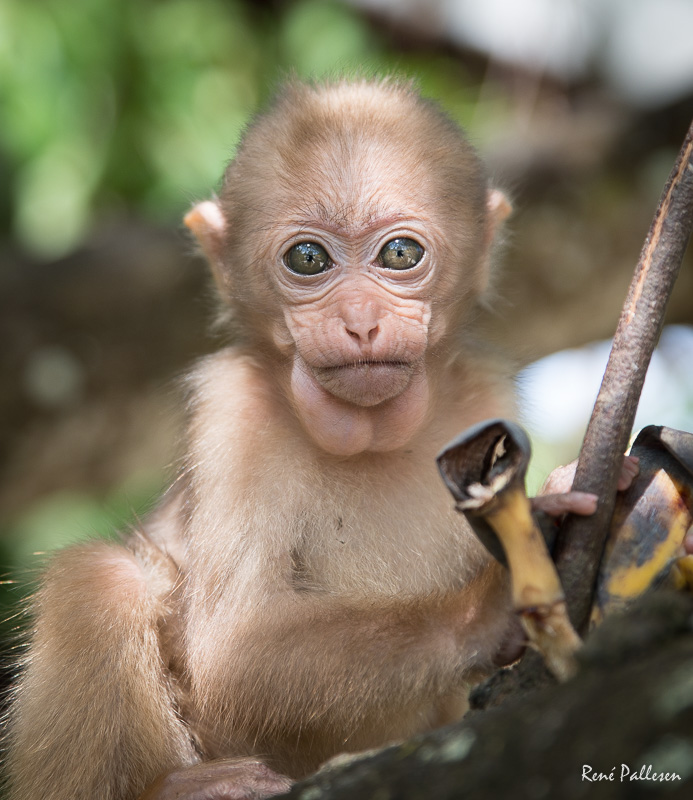
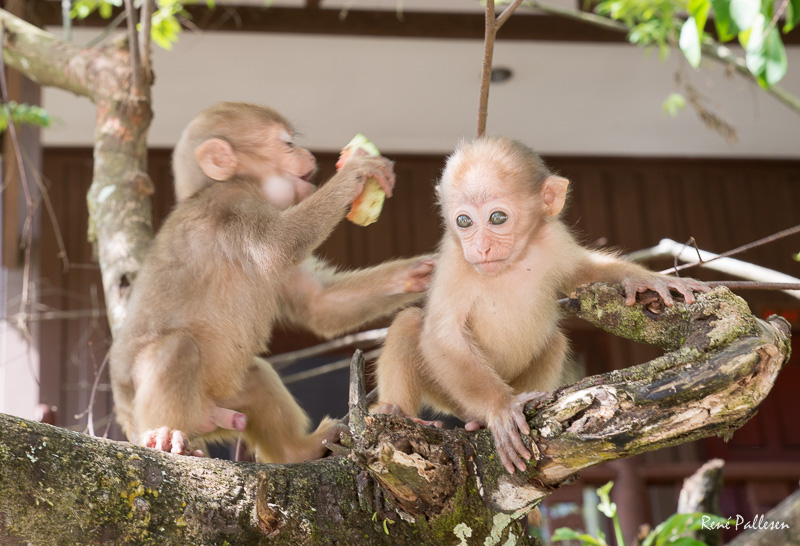
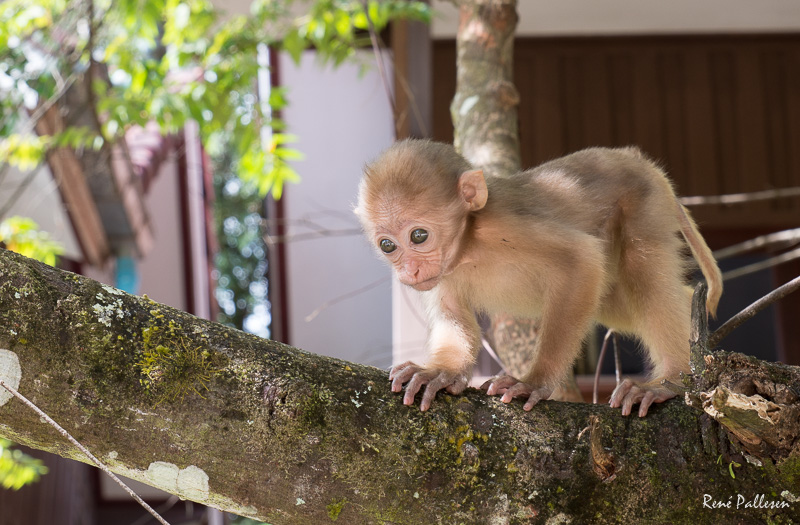
Also, one of the trees at the hotel had two little monkeys staying there most of the day. The kids loved standing there shouting profanities at them.


fter the Lenehans left, Arumi and I had a look at a small Aboriginal art exhibition located at the Park. We sat on one of the few grassy patches, to watch the flickering of the lights and just enjoy the day.


We eventually went home, but Olympic Park was still swarming with people, who were there to watch events that went on later into the night. Although we did not get the chance to see any other events during the Olympics, it was definitely worth the day we spent there. We would have loved to see the final game when Danmark won, but as usual, we were not very organised...


Below, I have included photos taken on the night of the Closing Ceremony.


These were taken from Graham's apartment on a hill at McMahons Point. We had a spectacular view of the fireworks that went off after the Closing Ceremony. It was really windy on the balcony, but I managed to get some photos of the Olympic rings that were placed on Sydney Harbour Bridge.

Beautiful, isn't it?

Sydney Harbour Bridge at nightSydney Harbour Bridge at nightSydney Harbour Bridge at sunset