Home

13. March 2005 09:04
by Rene Pallesen
0 Comments

Photos from Sydney

13. March 2005 09:04 by Rene Pallesen | 0 Comments

photos from sydney


During the year I took a number of photos in Sydney. If you would like to know what the inner city of Sydney looks like then have a look at this photo collection.
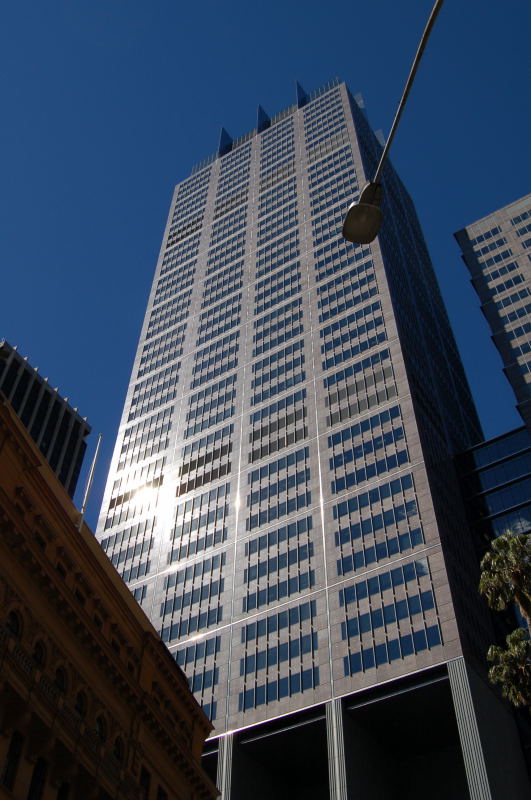
Click here to see more photos

Click here to see more photos from: Sydney/Slideshow

13. March 2005 08:57
by Rene Pallesen
0 Comments

Climbing 2005

13. March 2005 08:57 by Rene Pallesen | 0 Comments

climbing 2005


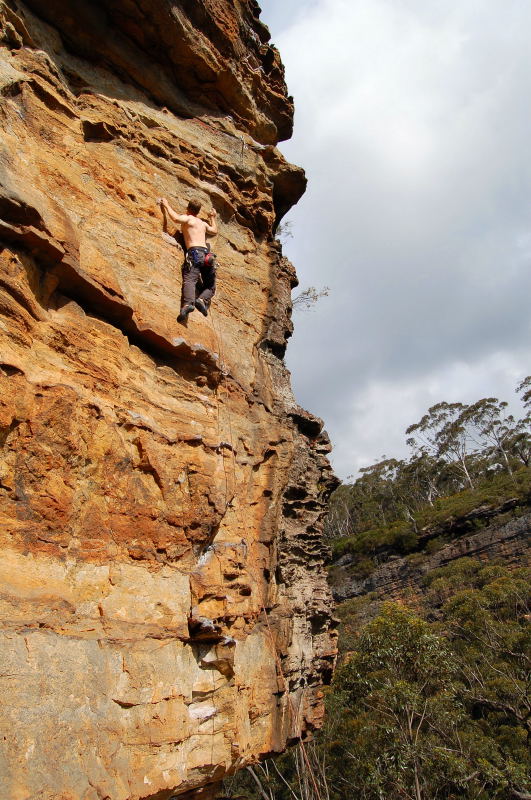
In 2005 I managed to do a fair bit of climbing. Sarah and her boyfriend at that time were climbing almost every weekend and climbing with them definitely boosted my confidence and allowed me to increase the difficulty of the climbs I was able to tackle.

The photo below is a photo of me climbing at Centenial Glen.
Click here to see more photosClick here to see more photos from: Climbing 2005/Slideshow

13. March 2005 07:42
by Rene Pallesen
0 Comments

Canada 2005

13. March 2005 07:42 by Rene Pallesen | 0 Comments

canada 2005


I went a trip to Calgary (as well as to Seattle) in the end of 2005. It was lots of meetings and in Calgary we were invited to provide input to our workflow product from the field.

While we were there they had the Chinook, which is a warm wind that appear during the winters...so during the day it was really pleasant.

One night we went to see a game of ice hockey against the Calgary Flames and Chicago...it was the only game that Calgary lost that season.
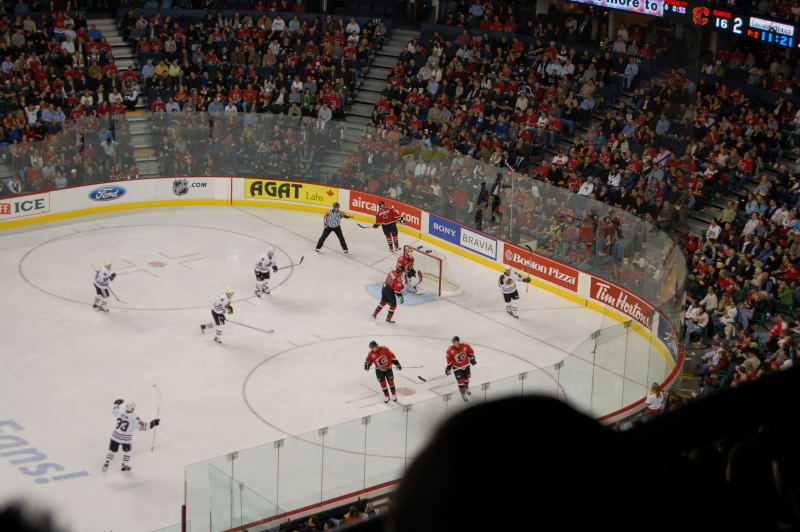
Click here to see more photos from Calgary
Click here to see more photos from: Calgary 2005/Slideshow

13. March 2005 07:33
by Rene Pallesen
0 Comments

Mum and Dad in Sydney 2005

13. March 2005 07:33 by Rene Pallesen | 0 Comments

mum and dad in sydney


At the end of 2005 my Mum and Dad escaped the winter in Denmark by travelling to Sydney for a couple of weeks.

They stayed here over Christmas and New Years Eve. While they were here we went for a drive up to Graemes house at Taylors Lake near Port Macquarie where we Christmas Eve cooking traditional danish Roast Duck, and Ris-a-la-mande.

New years even we celebrated at Graemes place at McMahons Point here in Sydney.

New Years day was the hottest on record...48 degrees.
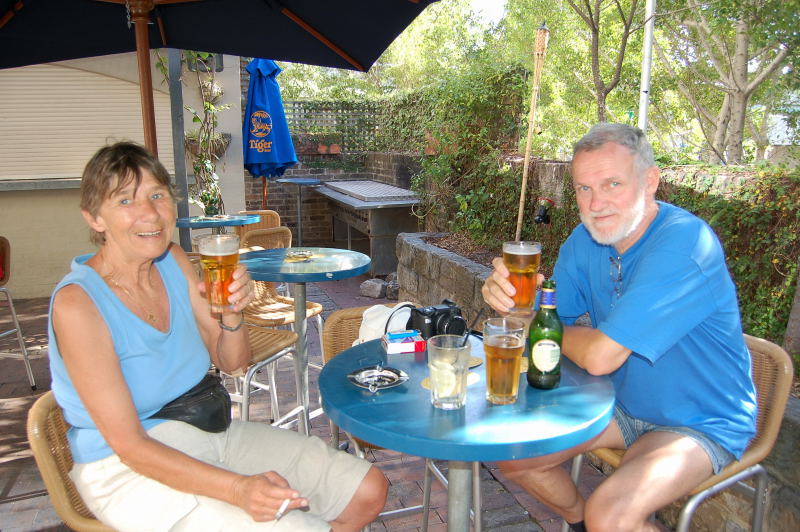
Click here to see more photos from Christmas and NYE 2005 Click here to see more photos from: Christmas and New Years Eve 2005/Slideshow

14. November 2004 12:58
by Rene Pallesen
0 Comments

Grandchildren's Meal for Bedstemor

14. November 2004 12:58 by Rene Pallesen | 0 Comments

grandchildren s meal for bedstemor
Normally Bedstemor's fest is for paid by her children, but this year, all of Bestemor's grandchildren decided to also treat the family in return. They chose the Italian restaurant in the hotel.


It was a 3-course set menu at US$8 per person.
For starters, it was thin minestrone with salad vegetables and grated cheese.
For entrée, it was 3 pieces of ravioli with mushrooms and white sauce (ravioli suprisingly had cinnamon in it...)
For mains, we had a choice of either chicken or veal scallope with fettucine...
But all our meals were served with the same sauce and somehow we all ended up getting french fries...

When we asked the waiters about the fettucine listed on the menu, no-one had any idea...

And our surprise dessert was a scoop of ice-cream swimming in fruit salad and syrup.
These breadsticks were really very nice, although surprisingly these contained cumin, instead of Italian herbs or cheese.
With Bedstemor in the middle, the oldies at one end, we sat at the other end with Kim, Rasmus and their respective girlfriends. Rasmus and his g-friend told us about their trip around Asia, toVienChan and Laos. Kim and Birit had spent 6 months backpacking around India, Nepal and Thailand.
In the meanwhile, there was an Egyptian engagement party that started in the hotel lobby. The musicians stood around the couple, playing oboe-like instruments, tambourines and drums, whilst the guests clapped and danced to the music. It was deafening, the sound echoing throughout the hotel. They eventually made their way up to one of the function rooms to party all night long.
=

14. November 2004 12:54
by Rene Pallesen
0 Comments

The Citadel & Mohammed Ali Mosque

14. November 2004 12:54 by Rene Pallesen | 0 Comments

the citadel mohammed ali mosque


Our first sightseeing trip after arriving in Egypt was the Citadel and the Mohammed Ali Mosque. The Citadel was once the home of the royal family until 1870, then the military took over this joint until the 1970s. It is still used occasionally by the military but mostly opened to visitors although certain sections are closed off to them.

Neither did our guide tell us much about the Citadel, nor give us the opportunity to explore. So most of the photos here are of the Mohammed Ali Mosque sitting on the Citadel.


The mosque is famous for its alabaster corridors, columns and floors. Alabaster is a cheaper form of marble that seems to be slightly more porous and does not have the smoothness or coolness of normal marble.


Adam, our guide sat everyone down in one corner of the mosque like school kids, and gave everyone some sort of history lesson about Islam and marriage.


The interior of the mosque was magnificent, with globes of light hanging in multiple rings from the ceiling. In the far right corner, there is a gilded green and gold staircase that leads to some sort of pulpit.
Local women were allowed into this mosque, but clad from head to foot. Female tourists were provided with a green abaayas if they were sleeveless or wearing shorts.


During Adam's chat about Islam and its history, René asked for more information about the Citadel, and was rudely scolded for not listening.
Adam did not give any more information about the Citadel for the rest of the trip...


Left: In another corner of the mosque was an enclosure containing the marble sarcophagi and burial place of the mosque's namesake - Mohammed Ali.
Right: The ceiling was also quite beautiful, but I could not use the camera flash and it was a little dark. In each "corner" of the dome were large arabic inscriptions in gold


Cairo has a brown haze over the city. The buildings are made of mud bricks.
Dirty-white and grey are the only other colours one can see.


Apparently there is a number 7 written above one of the doors of the Citadel. History says Napoleon and his troops numbered each of the entrances around the Citadel as he could not understand the local language.

14. November 2004 12:53
by Rene Pallesen
0 Comments

Khefren's Pyramid - Limestone Tips

14. November 2004 12:53 by Rene Pallesen | 0 Comments

khefren s pyramid limestone tips


Khefren, Khafre's son, did not seem to have the same desire to outbuild his father.

His pyramid is not as tall as Khafre's pyramid, but looks so because it stands on higher ground.
Each of these blocks of granite came to about shoulder height on the average man
- they were about one cubic metre each in size.
The few people who tried to climb up the pyramid were called down by security guards patrolling the area. We noticed the granite blocks further up the pyramid seemed smaller. The quality of the workmanship worsened as the pyramids neared completion and smaller blocks were used.
Just imagine - these pyramids would have once glinted in the sunlight like diamonds in the desert. Kefren's pyramid was once covered with a smooth and shiny layer of limestone. Unfortunately, most of the limestone has been stripped off, used in mosques and palaces. Only a small portion remains at the tip of Khefren's pyramid.

14. November 2004 12:45
by Rene Pallesen
0 Comments

More Photos of Cairo

14. November 2004 12:45 by Rene Pallesen | 0 Comments

more photos of cairo


We did not have a lot of opportunities to explore the city of Cairo. Our hotel was located on the other side of the Nile from downtown Cairo, so there was not a lot happening.


In Cairo, we noticed a lot of large carcasses hanging along the streets outside the butcher shops. Most of the shops and restaurants were closed due to Ramadan, but Sunday heralded the last day of Ramadan, so many were preparing for the final feast.


We tried in vain to find a restaurant for the family to eat dinner, but no such luck. However, we did try to stop for some beers at a small café along the Nile - no beers because it was still Ramadan till that night, so we settled for some softdrink and hot potato chips.


The city of Cairo looks hazy and grey, with all the buildings a muddy colour.
It was nice to sit by the Nile.


The view from our Hotel Pyramisa at sundown.


Perfect Moments Photography | A Rene Pallesen Journal

Home

22. November 2011 02:17
by Rene Pallesen
0 Comments

Building Sandcastles

22. November 2011 02:17 by Rene Pallesen | 0 Comments

building sandcastles


On the weekend we went tot he beach. Initially Aiden was a bit scared of the waves (although he loves the sand and the water)...but after a while he didn't mind the waves splashing around his little legs (I found the water cold but he didn't mind).


As usual he threw a tandrum when we pulled him out of the water.


Afterwards we spend some time in the sand and I was teaching him how to build really cool sand castles and he was teaching me how to demolish them.


22. November 2011 02:13
by Rene Pallesen
0 Comments

Swimming Pool

22. November 2011 02:13 by Rene Pallesen | 0 Comments

swimming pool


The other weekend we took Aiden to the swimming pool.

He is really happy with water now and loves splashing around. He is no longer afraid of it and doesn't mind getting his head under water.


Only problem now is that he throws a tandrum every time we have to leave the pool.

22. November 2011 02:03
by Rene Pallesen
0 Comments

Sculpture by the Sea 2011

22. November 2011 02:03 by Rene Pallesen | 0 Comments

sculpture by the sea 2011


This year I didn't get a chance to go to Sculpture by the sea during the daytime, but I did have some time to go there one evening after we had put Aiden to bed.

I had seen some daylight photos from the exhibition from Tamarama beach where they had these 'Easter Island' type statues. I thought I could do some really cool night time Off-Camera-Flash photos using just ordinary flashes.

When I got there it was almost pitch black darkness...perfect.

I got my gear set up and managed to take the following shot which was exactly what I envisioned in my head.


While there I had a look at a couple of the other sculptures in the area...I did shoot the following photo of this 2 meter tall red chinaman sculpture.

24. October 2011 01:20
by Rene Pallesen
0 Comments

Booze, Fighting and Cops - in Mudgee

24. October 2011 01:20 by Rene Pallesen | 0 Comments

booze fighting and cops in mudgee


This weekend we went with a couple of friends to a place in New South Wales called Mudgee. This place is about 270 kilometres from Sydney on the other side of the mountains and is best known as a wine district.

Click here for more photos


On the way there we did a quick stop at Lake Windamere, famous for its dead trees in the water.

Click here for more photos


We arrived to Mudgee after about 5 hours of driving (including a couple of brief stops) and had some lunch with Chris and Yvonne. While in Mudgee we did some jump shots of Chris and I pretending to fight (obviously I did some creative editing to get to this final result).


Click here for more photos
After lunch we headed to a couple of wineries. We were immediately impressed, some of the local Cab Savs. and some of the whites were excellent and Kim and I walked away with quite a few bottles from the first couple of places we visited. The wines were also more reasonable priced than the Hunter.


Click here for more photos

Click here for more photos


Late in the afternoon we headed to the Bed and Breakfast where we staying for the night. This was a place run by an elderly couple with 4 dogs, 7-8 Alpacas, mini horses and some cattle.

Click here for more photos

Click here for more photos

Click here for more photos


Click here for more photos

Before dinner we did a quick stop to take some sunset photos. It was a very quick stop, because within 5 minutes from us arriving at the location the sun disappeared behind a thick cover of clouds and the good light was gone.

Click here for more photos

Chris and I had been planning to do some star photography of the Milky Way. The weather forecast wasn't promising, but after dinner is seemed to clear up a bit so we decided to give it a go.
We hadn't scoped out any good location so it was a bit of a trial and error to find a good place. The trick with start photography is to also include an interesting foreground subject into the photo.
The first place we stopped was next to a vineyard and although the Milky Way was reasonably clear the grapes weren't that interesting.

Click here for more photos

We therefore headed up some of the back streets. On this paddock we found this really old truck parked in an almost perfect position...it was something different.
While we were setting up dogs started barking at the property behind us and after a few minutes all the outside lights came on and a woman came out and asked what we were doing.
Chris said that we were just taking some photos and if she was alright with that.
She went back into the house, but the dogs kept barking at us. After another couple of minutes she returned and asked us to leave because we were disturbing her dogs and parents.

We were on public property so we could have told here that we wouldn't leave and that we were in our rights to be there, but sometimes it is better to not push the issue, especially when you are just visiting the area.

Instead we found an area with some trees...alright, but not that interesting and by that time the Milky Way had started setting in the horizon.

Next morning we met up with Sacha (he's driven up from Sydney in the morning) to go and visit another couple of vineries (We bought more wine).


Click here for more photos

Click here for more photos


And Aiden loved all the attention and new locations.

Click here for more photos


On the way home we were planning to stop at the Blast Furnace Park in Lithgow. As we drive into the city we passed a couple of police cars. I was going a few kilometres over the speed limit and hit the brakes as soon as I saw them. A couple of kilometres further down the road the cars came up behind me with their lights on and I thought..."Damn, I got busted", but I was really surprised when they went past me without stopping...I was even more surprised when they pulled over Chris in front of me.
He was busted for driving his car without a valid registration (he had forgotten to pay it a few weeks earlier), given a fine and they told him that he was not allowed to drive any further without a valid registration.

After the cops left he quickly went on the internet and renewed all the paperwork online so we were able to keep going.

The blast furnace is an old iron smelter dating back to more than 100 years ago when a lot of iron was dug out of the surrounding area and processed here to produce steel. It is interesting walking around the old ruins of which much of the building foundation still exists.

Click here for more photos

Click here for more photos


Click here for more photos

We also used this as an opportunity for some more fighting jump shots.

After this it was back to Sydney...

7. October 2011 07:17
by Rene Pallesen
0 Comments

Aiden 16 Months

7. October 2011 07:17 by Rene Pallesen | 0 Comments

aiden 16 months


Aiden is now 16 Months and he is now able to crawl and stand up. He is slowly starting to walk (a few metres at a time) when supported by a walker but he is still not able to walk unsupported. He also likes sitting on this little car we have for him, racing around the lounge room.


He favourite foods are Strawberries, Mango, Durian and Yoghurt.

We did another photo shoot the other day with his favorite teddy called 'Scout'

Click here for more photos

Click here for more photos


Click here for more photos

25. August 2011 03:30
by Rene Pallesen
0 Comments

Zagreb Inner City - Croatia

25. August 2011 03:30 by Rene Pallesen | 0 Comments

zagreb part 2 croatia


The next day was spent exploring the inner city itself. Surprisingly there are not a lot of turists in Zagreb. Most of the places were went to seemed to be mostly locals. It is not loke other capital cities where you see a lot of tour groups etc. Here we sometime had the feeling that we were the only tourists.


The In the morning we explored the horse shoe shaped parks and all their buildings. These parks are have a lot of buildings such as the University and the National Theatre located in them.

Click here for more photos

This is the National Theatre with the Fountain of Life in front of it.


Click here for more photos

One of the statues is of St George slaying the dragon.


Click here for more photos

We also had a look at the Dolac market in the middle of the city.


Click here for more photos

In the afternoon we also explored some of the churches although some of them were closed for us to visit inside (Maybe because it was Sunday).

This is the St Marks church. The roof tiles show the coat of arms of Croatia and Slovenia. The church also has the Croatian Parliament located next to it so a lot of police and security looking at me suspeciously while setting up my tripod.


Click here for more photos

Click here for more photos

We also made it to the big cathedral which apparently is under constant renovation.


Click here for more photos

Click here for more photos

Click here for more photos

Click here for more photos


Click here for more photos

We also went to the Stone Gate that contains a status of the Virgin Mary that micraculously escaped being destroyed in a fire. All the locals would come here to light a candle.


Click here for more photos

In the late afternoon we went to the Strossmayer Promenade. This is a place where the local artists sell and display some of their work and also contains a rather special statue.


Click here for more photos

Click here for more photos

Aiden was very facinated by this strange man sitting on a park bench.

Click here for more photos

...And next day it is time for the long journey back to Australia.

24. August 2011 04:31
by Rene Pallesen
0 Comments

Zagreb Park, Zoo and Cemetry - Croatia

24. August 2011 04:31 by Rene Pallesen | 0 Comments

zagreb croatia


Before heading back to Australia we spent a couple of days in Croatias capital Zagreb.

Kim had found us accomodation at the Best western which was centrally located very close to the centre of Zagreb and just across one of the big parks.

One of the advantages of this hotel was that there was plenty of parking at the hotel and it would have been difficult/expensive to park on the street otherwise.

Driving in Zagreb was a real challenge. It was full of one way streets with lots of road works. There were lots of bicycles and there were trams everywhere.


Click here for more photos

After arriving we went for a walk across to the park and square and along the way we didn't see many restaurants so I stopped at a tourist information to ask them where we should go to find a selection on places. When we went to those places later in the evening there were hardly any restaurants. There were a lot of bars serving drinks and the places were packed, but they were not restaurants.

We eventually found a place and the food was very nice, but this was pretty much the trend for Zagreb, lots of people going out for drinks, but very few people going out dining. I am not sure if this was a cultural thing or just because of the costs associated with going out.

Next day we did find the one of the old streets had loads of restaurants but still nowhere the variety we had seen elsewhere on our travels.

Next morning we decided to first visit some of the places that were on the outshirts of the inner city and required us to have transport. We first went to the Maksimir Park which also has a zoo. The park itself doesn't have much in terms of scenery and facilities although it is nice enough.

Click here for more photos

Click here for more photos

Click here for more photos

Click here for more photos


Click here for more photos

The building for the cafe (Kiosk) in the middle of the park was was in bad need of some maintenance with large pieces of rendering and paint falling off the building.

Click here for more photos

The Zoo was pleasant and they had a large selection of different animals. It was really hot in there so the zoo keeper were spraying them with water to cool them down a bit.

The most exciting specimen in the park was this lot of Homisapiens...very rare and irreplaceable.

Click here for more photos


Click here for more photos


Next was the Mirogoj cemetry. This is the oldest cemetry in Zagreb and is absolutely amazing in terms of the graves there. Some of the graves belonged to old families and I counted some that had 15 family members buried there dating back to the early 18 hundreds.

Click here for more photos

Click here for more photos


Click here for more photos

The place was huge, the really old section would have been at least 500 metres long as was very beautifully set up.

Click here for more photos

The following day we decided to explore the inner city of Zagreb. at the hotel we had picked up a "Zagreb Step-by-step" guide. This turned out to be the best tourist guide I have ever seen. It was very comprehensible and provided us with a very logical route to follow. It was so good that I was able to provide ongoing commentary to Kims video. I brough back a copy of the guide which I intend to send to NSW tourism when I am done with it.

23. August 2011 02:04
by Rene Pallesen
0 Comments

Lubjiana - Slovenia

23. August 2011 02:04 by Rene Pallesen | 0 Comments

lubjiana slovenia


On the way back to Zagreb in Croatia we decided to visit Lubjiana the capital of Slovenia as we had to pass through here anyway.

Click here for more photos

Click here for more photos


Click here for more photos

The old city was pedistrians only and was very nice and very clean and with small canals running through it.

Click her for more photos

There cathedral there has these amazing bronze doors.

Click here for more photos

Click here for more photos

There were a number of water water fountains and I let Aiden have a splash to the point where he was all soaked, but fortunately is was really warm so he dried quickly.

Click here for more photos

The butchers bridge is a new bridge. People who are in love put padlocks on the sides of the bridge to symbolise their unbreakable love for eachother (I wonder if they keed the key just in case or whether they throw it the river).

Click here for more photos

The Bridge also have some really special art pieces.

Click here for more photos

Click here for more photos

It is a fairly old city, so I expected a lot of stairs and a lot of carrying Aiden up and down. I was surprised as there were ramps everywhere and I didn't have to carry him once. I think it is because a lot of people use bicycles (they have a free bicycle system similar to Copenhagen).

Click here for more photos

The Tivoli park area was a really nice and relaxing area with a cute little 'Mansion' in the centre.

Click here for more photos

One of the things that amazed me was that they had a fantastic outdoor location for a permanent exhibition of photographs and artwork from different artists. When we were there is was a Serbian artist exhibiting his works and there were some really good pieces there.

Click here for more photos

Click here for more photos

22. August 2011 11:52
by Rene Pallesen
0 Comments

Vintgar Gorge - Slovenia

22. August 2011 11:52 by Rene Pallesen | 0 Comments

vintgar gorge slovenia


Second day we went to a place called Vintgar Gorge. We weren't quite sure where to find it apart from it being listed on a not very detailed map. We punched in the closest town on the GPS and hoping that we could 'wing' it from there.

Click here for more photos

Click here for more photos

When we arrived to the town we were unable to find any any signs towards the gorge, but we did find a fign with a drawing of a car pointing left and a man walking pointing right.

We were sitting in a car so we decided to follow the left sign. This took us down this gravel logging road for a couple of Kilometres (Kim saying 'This is scary') and eventually we came to an open area with a set of stairs leading up to a building.

There some people coming down the stairs and we asked them if we were in the right place...yes we were.


Click here for more photos


Click here for more photos


Click here for more photos


Once we got up the stairs I was worried that this was going to be horrible getting Aiden through...so we asked some hikers coming out of the gorge and they said that most of the was was pretty flat and we shouldn't have too many problems with a Pram. I went a few hundred meters ahead to have a quick look and confirmed that it didn't look too bad and that there indeed were a lot of waterfalls in the area.

While there I also did some photos to be used for HDR - High Dynamic Range:

Click here for more photos


Click here for more photos

The Gorge was really nice and cool in the morning and there was a fine mist forming over the waters surface. The waterfalls, the river, the gorge and walking track itself was really amazing. There were people there, but it wasn't crowded and despite the track being really narrow it was easy enough getting through.

Click here for more photos

We walked for a fair bit to make sure we have seen the main falls (someone coming from the other direction said that the falls were fairly small after the point where we turned back) and by this time the sun had started entering the gorge and it was getting really warm.

We therefore decided to drive to lake Bohinj to go for a swim (see previous posting).


22. August 2011 03:31
by Rene Pallesen
0 Comments

Bled and Lakes - Slovenia

22. August 2011 03:31 by Rene Pallesen | 0 Comments

bled and lakes slovenia


Our first impression of the area around Bled was that it was very Austrian looking (whose border is very close) with all the surrounding mountains.

Click here for more photos

Bled is this really beautiful little town at Lake Bled. The lake has a castle sitting high on the hillside and in the middle of the lake there is beautiful little island with a monastery on it. It seems that most of the area along the lake has been reserved as a public space and there is a really nice little walking track all around the lake.

Click here for more photos

Click here for more photos


Click here for more photos

Kim had found a very groovy little place for accumodation called Alice House. It was very modern and it was obvious that the owner had put a lot of thought into the looks and feel of the place.
It had this really little pleasant garden and it was really nice to just sit down and relax and have Aiden play with the pebbles and eat the strawberries.

Click here for more photos

Click here for more photos

After we had settled in the first thing we did was visit the castle (getting a bit lost along the way). I was pretty buggered after driving all morning, so when we arrived to the castle and saw all the stairs I asked Kim to check out the castle while I would check out the park in front of the castle with Aiden (Kim came back after a while and said that there wasn't that much to see in there).

Click here for more photos

Click here for more photos

After this we went around the lake and found this nice little spot with a beautiful view of the lake, the island and the castle.

Click here for more photos

Click here for more photos


Click here for more photos

When we were there they were getting ready for the Rowing worldcup week after, so the town was swarming with muscly atletes. There were a large number of Australian rowers and Kim was pretty keen to have me take a photo of some of them in case they won and were famous (I asked her if I should ask them to take off their T-Shirts too so she could better perv at them). It turned out that some of them did win gold..congratulations Aussies!!!

Click here for more photos

The Day after we went to one of the other lake Bohinj and went for a swim with Aiden. Aiden was very excited that he could be splashing without getting salt water in his eyes.

Click heer for more photos

Click here for more photos


Click here for more photos
Perfect Moments Photography | A Rene Pallesen Journal

Home

28. July 2001 10:48
by Rene Pallesen
0 Comments

Mandalay . . .

28. July 2001 10:48 by Rene Pallesen | 0 Comments

mandalay


Map of Burma


When I initially arrived in Yangon / Rangoon, I wanted to fly up Bhamo - one of the bigger towns north of Burma. I also considered exploring Myitkyinã - a town further north of Bhamo.

My Lonely Planet guide indicated that the only border crossing into China was to the east of Bhamo. My initial plans to Burma also included exploration of western China. However, I was disappointed by the military turning me back, despite the fact that my Lonely Planet guide said I could cross into China at Ruili.

I decided instead to fly to Mandalay, not only because it was cheap to do so, but it saved me a 20-hour bus ride there from Yangon.

City of Mandalay


I heard about a song for sailors.
“To be a real sailor, the sailor would have to have been to Mandalay way upriver”


I quite liked Mandalay.


The photo below, is of Mandalay Hill.
During World War II (20 March 1945), the British and the Japanese fought one another to gain control of the position on this hill.

Important Position in Mandalay Mandalay Hill facing east


The photo to the left is taken from the hill itself facing east - as you can see, it has an aerial view of the whole city, and puts any oncoming enemies at a disadvantage. Control of Mandalay was important during the war, as the soldiers were able to set up artillery and attack anyone approaching the fortress.

This hill was of big strategic importance.

The building you see near the shrine is a monument to the British regiment who managed to take control of this hill from the Japanese.

At the eastern part of the delta, a lot of logging takes place. There was a train line built that used to cart all the trees/wood for export to Thailand.

View of the FortressView of the Fortress


The moat around the fortress is man-made.
Although man-made, comes from the local river.


The original fortress was burnt to the ground.
The whole fortress covered an area of 2.5 x 2.5 km


Fortress at Mandalay

Fortress at Mandalay

Clocktower in Mandalay


The design of Mandalay was quite colonial, and surprisingly, most of the streets were at 90º to one another.


Overall, I found Mandalay the most expensive city to travel to in Burma.

No matter what one does in Mandalay, be it explore Mandalay Hill or the city itself, the locals always had “special” foreigner prices. It really annoyed me.

I tried to use local currency as much as possible. However, FEC (Foreign Exchange Currency) was more valuable and worth more to the locals. FEC is also used in China, and one tries to use local currency as much as possible. Any item you buy has 2 prices - and obviously it is cheaper to use local currency than to use FEC.

I must admit, even Mandalay Hill was not that nice for the price I paid to explore it. It was also expensive just to go into the fortress.

Surprisingly, I could not find maps of the area that was not more that 40 years old.

28. July 2001 10:47
by Rene Pallesen
0 Comments

Burma Religion & Politics . . .

28. July 2001 10:47 by Rene Pallesen | 0 Comments

politics

Politics . . .

Queue for Rations
There is a lot of politics going on in Burma that an outsider should not get involved in - Burma is one of those countries where political opinions are best kept to oneself.

In Burma, use of the Internet and mobile phones is illegal. This is the government's way of controlling the information entering the country. Even access to equipment such as laptops is illegal - the country is so poor that many could not afford such a piece of equipment.

I saw many young women queueing for their rations. They were standing so close together that I thought they were lesbians! *laugh* The girls stand close together so another person cannot jump the queue by pushing in.


Girls Standing Close

Girls Standing Close
Young Girls Working on Roads


The girls here are very young, some have barely reached puberty and are doing some very hard work.


Young Girls Working on Roads


There is a lot of critique by Amnesty International, of Burma's use of young girls to provide maintenance for the roads.

28. July 2001 10:47
by Rene Pallesen
0 Comments

Medicine . . .

28. July 2001 10:47 by Rene Pallesen | 0 Comments

medicine


The Wares of a 'Medicine Man'
Medicine . . .

My girlfriend, Arumi, tells me one sees the wares of a 'Medicine Man' quite often throughout Asia.

Whether they sit by the roadside, or whether they own a shop in a building, one will see very similar items being sold around Asia.

The “pellets” you see here are in fact different types of roots such as ginger or some unknown vegetable, that have been sun or air dried.

The Medicine Man 1The Medicine Man 1The Medicine Man 1

You will see the antlers of various animals such as deer or even rhino. There are also skulls from different animals - some of these animals may be endangered species, but somehow you will see them being sold in these markets.

The Medicine Man 2


These skulls are definitely not being used as “trophies” around the house!

The Burmese, like many Asians, believe in using very 'natural' remedies to cure common ailments.

Tiger Skull


A Medicine Man may not necessarily be a “doctor” according to western standards - that means he may not have a university degree.

However, a Medicine Man, may be what we know as “witch-doctors”. Some of the remedies they know are very natural and useful.

Unfortunately, not all of these remedies work. Around Asia, you will see shops or Medicine Man selling items like tigers' paws and skulls, or ground ivory tusks. Many of these are sold as cures or enhancements for the sex life.

In Burma, there is virtually no wildlife left.


Selling Tobacco


You will even find that even tobacco is sold naturally.

Not in cigarette form, but in leaf form! The laws in Burma are not quite the same as they are here. Marijuana is also sold very freely.


Fruit of the Lotus Plant
Lotus Fruit . . .


Quite often in Asia, you may see lily pads floating on the water. In fairy-tales, you hear about frogs sitting on a lily pad.

You will be amazed to associate that this fruit here, comes from the flowers/plant growing out of the water near the lily pads.

The yellow seeds come from the flower itself. The seeds are used often in many Asian desserts, and said to promote better blood circulation.

While, the root of the lotus plant is also a delicacy. It is white when cooked, and has a crunchy texture, similar to that of the water chestnut. Mainly used in savoury meals, although used as a dessert as well.

Personally, I think it is too much hassle retrieving the fruit! *smile*

Created: 31 Oct 2001

28. July 2001 10:46
by Rene Pallesen
0 Comments

Schwedagon . . .

28. July 2001 10:46 by Rene Pallesen | 0 Comments

schwedagon
Escalator leading up to Schwedagon


Schwedagon was a holy place with extremely large and beautiful temples.

To get to Schwedagon, you had to travel up very long escalators. I took this photo because these escalators were the only escalators I had seen during my whole trip in Burma. As Schwedagon is a very religious place for the locals, I guess to travel up these escalators give the sense of travelling to a higher and holier place.

Temples at Schwedagon Photo 1

The temples at Schwedagon were really impressive.

Temples at Schwedagon Photo 2
Another Temple


I was told that collectively, these temples were built with 39 tonnes of pure gold.

Cleaning Up


At the end of the day, the locals all contributed in cleaning the place. They clean all the tiles and are very organised.

Big StubaBig Stuba at Night

Buddhas at base of Big Stuba


Here is the 'Big Stuba'. All that gold...


Up close, the temples are a glorious sight. Especially at night!

Can you see those lights at the base of the Big Stuba? Each is a 'mini temple', illuminating a Buddha.


Lots of Gold


You can really see the magnificence of these temples!

Praying to BuddhaPraying to BuddhaIntricate Carvings


There are lots of rules or procedures about the way one prays to the Buddhas - very complicated to an outsider!

I saw a couple of the buddhists pour water onto the statue of the Buddha. Depending on the day of the week a buddhist is born, the individual would pour the respective number of bowls for the day of the week. A buddhist believes that by doing this, it would bring them luck.

At Schwedagon, I noticed there were hardly any tourists, mostly locals paying homage.

Can you see how intricate the carvings are in the foreground?

Praying Monk 1Praying Monk 2

Large Bell


The monks rung this bell to announce prayer times.


It brought luck to ring the bell.
For example, if you were born on the 1st day of the week, you rung it once to bring good luck. If you were born on the 6th day of the week, you rung it 6 times etc.


28. July 2001 10:45
by Rene Pallesen
0 Comments

Myanmar ( Burma ) 23 July ~ 5 Aug 2001 . . .

28. July 2001 10:45 by Rene Pallesen | 0 Comments

myanmar burma 23 july 5 aug 2001
Click here for full size Map of Burma


Burma/Myanmar surprised me in many ways. I would have liked to see more of Burma than I did, but due to military restrictions, I only had access to certain parts of Burma and was not able to see any of the indigenous people along the border as I had initially planned.Burma is a very poor country. It was difficult to travel... travelling 100 kilometres could sometimes take up to 6 hours.

One of the most beautiful places in Burma, I thought, was Bagan.

I took many photos in Burma, and tried to order them in the following pages:
  • I spent some days in Yangon, which had a heavy colonial influence.
  • Schwedagon was another place full of temples, a place laden with pure gold.
  • Whilst travelling, I could not help notice how influenced the people were by religion, and Burma's politics is one thing an outsider should not get involved in.
  • I was fascinated by what the Burmese used for medicine. They also had some rather interesting local fruit.
  • Mandalay also had an interesting colonial battle history. Whilst there, I watched the “Mandalay Marionettes”.
  • With the restrictions up north, I did not get to see much. But you would not believe how the Burmese play volleyball!
  • Finally, at Mt Popa, I went there to see a local monastry, and saw a lot of wild monkeys there.


Yangon ( Rangoon ) . . .

One of the main streets in Burma


This is the city-centre of Rangoon. Rangoon is the capital city of Burma.


It is actually a pretty big city if you compare it with other parts of Burma on a map.

Most of the buildings are from the old colonial period when the British occupied Burma. Unfortunately they have not been very well-maintained.

Can you see the green bits on the clocktower?

Clocktower with vegetation growing on it


If you are thinking it is vegetation growing on it, you are right! There is quite a bit growing on most of the buildings in the city.


Colonial Building 1Colonial Building 2The Strand HotelColonial Building 3

Man feeding pigeons


There were so many pigeons!


I managed to catch a pictures of a pigeon flying mid-air - can you see the blurred grey thing near the tree in the middle of the photo?


NextNext Page


Return to SE Asia menu

Return to Top


Created: 22 Sept 2001

15. June 2001 10:27
by Rene Pallesen
0 Comments

3rd Place in Photo Competition!

15. June 2001 10:27 by Rene Pallesen | 0 Comments

competition photo 2001


I took part in a photo competition in November 2001, using one of the photos I had taken during my trip to Mt Cook in January 2001. This photo was of Kevin, the alpine guide from my group in the technical climbing course.

The following photo and comments appeared on the Planet Fear website, in the Front Line Photography Competition - not long after I was notified that I was one of 20 winners, and I was even more surprised to find out that I had come third!

The comments above the photo were my comments that I had emailed to them when I sent the photo. The comments below the photo were (one of the judges) comments about my photo.
3. Rene Pallesen

The attached photo was taken in New Zealand on the main range near Mount Cook. The valleys to the west are filled with clouds formed by the moisture from the forests underneath. The snowcovered mountains in the north are visible through the clouds. The photo was taking using a Nikon FM10 using a Fuji Sensia 100 film.

Kevin in the Clouds

Literally bathed in atmosphere. It would be easy to muff this high key exposure but Rene is spot on. The vertical format adds to a shot capturing all the euphoria of life on the tops. Reminds me of the legendary Mountain mag front covers.
~ Comment by Ian Parnell, Planet Fear
Feel free to see my photo on their website.

Also, you could go to the Planet Fear website to view the other winning photos.

15. January 2001 11:14
by Rene Pallesen
0 Comments

Mt Cook

15. January 2001 11:14 by Rene Pallesen | 0 Comments

mt cook


Mt Cook

Mt Cook
Our ice-climbing group

Alan


Created: 18 Aug 2001 Last Updated: 16 Sept 2001

15. January 2001 10:59
by Rene Pallesen
0 Comments

Mt Cook ( 15 ~ 28 January 2001 )

15. January 2001 10:59 by Rene Pallesen | 0 Comments

mt cook 15 28 january 2001
Above the clouds at Mt Cook - photo competition winner!Mt Cook ( 15 ~ 28 January 2001 )


I decided to do a Technical Ice-Climbing course with Alpine Guides in New Zealand.

I spent 10 days at Mt Cook doing a very challenging course, but I learnt a lot. I learnt all the techniques required to do ice-climbing safely. I also learnt the necessities of surviving in the icy mountains.

Prior to the trip, a lot of preparation was required. Everyday, I went jogging to build up my fitness, so by the time I left for New Zealand, I could run 3km on the sand without getting puffed. I also had to buy some of the equipment. I had to buy cramp-ons (looks like spiked metal soles) to attach to my boots; ice-axe and ice-hammer; a new Gore-tex jacket (I needed a new one anyway) and some other clothing and equipment.

The photo on the right became a 3rd-place winner in a photo competition.

Mt Cook

Our group consisted of 4 other doing the course. There were no prerequisites, other than a love for the mountains and a very high fitness level. Not all of us who do this course go on to climb the great mountains. We also discovered it takes guts and courage to stand on top of the world and feel confident. One cannot be an ice-climber if there is a fear of heights or if unsteady on the feet.

Our ice-climbing group


All of us in the group had come from different backgrounds. Søren was an experienced climber, who had aspirations of going to the Himalayas. Alan was a rock-climber who wanted to try the challenge of ice-climbing. Rob too loved the mountains and wanted the experience and challenge of being on the icey slopes of New Zealand. I had had quite a lot of climbing and mountaineering experience, but this was my first time ice-climbing.


The person holding the camera is Søren. I met him in NZ, whilst waiting for the bus for Mt Cook. To my surprise, he was a Dane living here in Sydney. He was a professional photographer (hence you see him holding the Nikon). He and I had similiar experience so our speed through the course was pretty much the same.

Soren


I actually ended up cracking a rib whilst on the course. I did this during a 'self-arrest' technique, where we actually throw ourselves down a steep slope and try to use our ice-axe to stop ourselves from falling any further. This technique is used in case you fall down a crevass and have nothing to hold onto.

Rob was the other person doing the course. He once dropped his ice-axe and one of us had to abseil down to collect it, as an ice-axe is a piece of equipment that is vital and you only carry one of these each.

We worked in pairs, but had to swap partners as our guide took turns working with each of us.
Søren doing a climbAlan doing a climb
Alan doing a climb


Ice-climbing is nothing like rock-climbing. You cannot use your fingers (well, they will freeze if you take your gloves off), so you really on equipment like ice-axe and ice-picks to anchor yourself into the ice. These pieces of equipment are really important, especially if you are sleeping on a ledge or stopping for a rest. Other than someone belaying you, using ice-picks to secure yourself into the ice is the backup should your belay fail.

We each took turns at ice-climbing! Alan is the one in the blue jacket, Søren is the one in the red.

I guess Søren has more photos of me climbing, whereas I can't take photos of myself!


In the following section, you will see a series of photos of Mt Cook.
If you want to have a look at the black & white version of this (quite artistic), click here.

Photo 1 of Mt CookPhoto 2 of Mt CookPhoto 3 of Mt Cook
Photo 4 of Mt CookPhoto 5 of Mt Cook


17. September 2000 10:58
by Rene Pallesen
0 Comments

Olympic Day Out ( 17th Sept 2000 )

17. September 2000 10:58 by Rene Pallesen | 0 Comments

olympic day out 17th sept 2000
Olympic torch - lit


Last September, Sydney held the Olympic Games. I saw a lot of the events on TV but was disappointed with the coverage of other countries' involvement.

However, I did manage to be at Olympic Park during the Games and also see the first handball match - Denmark vs Norway.

I managed to get tickets for the game and had a very nice day with my girlfriend and the Lenehans. I also managed to get some pretty spectacular photos of the Olympic torch.


Olympic torch from afar

Me with Stadium Australia


Here is Stadium Australia, where the Olympic torch is held. Most of the major track & field events, as well as athletics were held here. It is a pretty spectacular building - and HUGE. During the Olympics, you could not go into just any of the buildings at Olympic Park. You had to have a ticket for an event before you could enter the building.


Stadium Australia

As you can see me, I am wearing my T-shirt supporting Danmark! This is one of the few days that I can wear the T-shirt.


It was a very sunny and warm day and the place was full of people. During the Olympics, you could only get access to the whole of the Olympic Park if you had a ticket. They had quite tight security, and had to go through a detector on the perimeter of the grounds after you got off the train/bus.

Dane in true colours!


The handball game started at about 2pm and we managed to wander round for quite a bit before going into the arena wear the handball was.


The food as amazingly expensive! Normally a fruit salad would only cost about AUD$3, cost up to AUD$8 that day!. Bottles of water was double the price. They really made it a money-making event for tourists! The funny thing too, we noticed that as you entered Olympic Park, all of the signs were in French and English, and all the announcements were given in French first, then English. It was most peculiar!

As we got closer to where the handball games were being held, we saw a lot of Danes and Norwegians dressed in country colours! Danes in red and white and Norwegians... well, there was a guy there who had lots of cow bells around his neck and attached to his clothes. He was wearing a traditional metal helmet and dressed in old-fashioned gear. It was amazing to feel all the atmosphere - just to be there.

True Danish spirit!Lance with Danish flags


We were all in the true Danish spirit! Even my girlfriend was dressed in a white T-shirt and red pants! We painted flags on our faces with some face paint. We were definitely there to support the Danish team!

Even Lance could not help get caught in the moment with us! *smile*


Handball match


A break in the handball game - Danmark vs Norway!

Danmark in red & white, Norway in blue & white.

We had pretty good seats - it was a matter of whoever got there first, had the best seats, although we had to enter through certain doors.

All the journalists and officials sat on the left. We even heard that the crown prince of Danmark was there for the game, even though we could not spot him. There were flags everywhere, Danish and Norwegian waving about. Everytime Norway scored, you could hear countless numbers of cow-bells being rung! A few times, some of the people tried to start a Mexican wave, but that did not work out.

It was a very fast and furious game. It was the only handball game that the Danish lost in the whole Olympic Games, and they eventually came first in the finals!

Group photo


Just after entering Olympic Park, we managed to get a group photo!


As you can see the place is very crowded but very festive - you just had to be there!


Olympic Torch at Sunset


A most glorious sunset!


After the handball match, we wandered around for a bit longer. The day had been quite warm, so the night was a beautiful clear night.

After the Lenehans left, Arumi and I had a look at a small Aboriginal art exhibition located at the Park. We sat on one of the few grassy patches, to watch the flickering of the lights and just enjoy the day.

We eventually went home, but Olympic Park was still swarming with people, who were there to watch events that went on later into the night. Although we did not get the chance to see any other events during the Olympics, it was definitely worth the day we spent there. We would have loved to see the final game when Danmark won, but as usual, we were not very organised...


Below, I have included photos taken on the night of the Closing Ceremony.


These were taken from Graham's apartment on a hill at McMahons Point. We had a spectacular view of the fireworks that went off after the Closing Ceremony. It was really windy on the balcony, but I managed to get some photos of the Olympic rings that were placed on Sydney Harbour Bridge.

Beautiful, isn't it?

Sydney Harbour Bridge at nightSydney Harbour Bridge at nightSydney Harbour Bridge at sunset


t - he Irene are moving to Greenland on Tuesday. Later in the morning, I joined René and Ulla by the pool, gossiping about Bedstefar and family resemblances, watching Vinnie's kids and Sebastian splash about the pool, Lonnie, Sarah Birit stripped down to the minimum to get a bit of colour.


En ægyptisk mand ryger vand pibeWe reached Esna and used the few hours to get off the ship and stretch our legs after a morning of lazing around the pool. I was itching to walk around Esna, away from tourists and see how the locals lived. René and I headed for the quieter streets avoiding the busy streets around a souq. We were followed by a few children clad in long grey or white robes, who guided and annoyed us. Most of the narrow streets were unpaved, some very muddy and smelling of manure. Skinny, skeletal donkeys balanced again flat wagons, many shy girls waving from the darkness of their doorways or 2nd-level windows, whilst little boys came out to say hello and mill around us. Most houses were simple of mud bricks, with tiny wooden shuttered windows to keep the intense summer heat out. Some had extremely ornate wooden doors, reminiscent of colonial days. Occasional peek in doorways revealed empty mud-lined rooms as most people lived in the upper floors. Eventually René shouted imshee! (go away) as the kids got noisier, more aggressive, pulling on our arms and throwing pebbles at us. When I stumbled over a whimpering black and white disease-ridden puppy in brown paper, it was kicked aside - making me almost reach out for it if René hadn't stopped me.it was wise not to even make contact witht the children, who were dust-covered and clad in the long egyptian grey robes. It was such a relief when they finally left us even though we knew they were hiding in in alleyways watching us wind through the streets. There were goldsmiths glittering with ornate rings, earrings and necklaces; tailors still sewing by hand on the steps of their shop; coffee houses filled with solitary men smoking their water-pipes - their eyes following us down the street. We had spent so much time just sitting around that it was good to get away.

Crossing of the Lock

We set sail at 3pm and many ships like ours got together near two bridges just north of Esna. For one hour of the day, a bridge opened up for the ships and cars were ferried across the Nile instead. In the meanwhile, the ship had organised a special Egyptian "Oriental" dinner where guests could dress up in egyptian attire. It was a traditional egyptian feast of flat bread, baba ghanoush, warm stuffed zucchini and capsicum, warm cabbage rolls, chickpeas, lentils, fish, and traditional dish of okra, and a dressed up rice-stuffed whole lamb with a foil-covered head, small skinny eggplants for ears sitting upright on a silver platter. To finish it off was a plethora of egyptian dessert - semolina tarts, almond-milk agar (jelly) and the tartlets that tasted of liquid honey. Between 10-11pm we all gathered together for the lock-crossing.
Canal lock-crossing involves ships moving from a one water-level to another, usually where a dam is involved. Two cruise ships moved into a channel that is closed off and the water in the channel gradually reduced - in our case approx 10 metres. Once we reached the new water-level on the other side of the lock, the door in front of the ship opened and we sailed out. The lock-crossing took approx one hour, although all the waiting took a few hours. It was well-worth staying up even though we had an early start the next day. What was most amazing was the way the ship travelled with such expertise through such a narrow channel with barely enough space on each side.


Friday 19 November 2004 (7am start)

Overnight we had sailed from Esna to Luxor arriving at approx 2am - the last port for us. We were awoken by efficient wake-up calls and we could hear phones ringing in all the rooms going on early tours. We had a long day ahead, cramming four different sights.

Valley of the Kings

Builders of the great pyramids realised that hidden entrances and false shafts were not going to protect their dead pharaohs or the riches buried with them from tomb-robbers, so from the 18th dynasty, the ancient egyptians started digging underground. Rolling hills and valleys of sand, rubble and solid limestone - it is amazing to think that the ancient egyptians managed to bury something like possibly over 300 pharaohs of which only 62 have been found (last was TutAnkhAmun).


Kongernes Dal

The mountain under which many of the tombs were found has a pyramid-shaped peak.


Ramses V/VI grave


Our tickets allowed us to visit three tombs only and only a handful were opened on the day with long queues at each.

We visited the tombs of Ramseses III, IX and V/VI - all of them relatively small tombs, some partly excavated, others quite madly damaged by humidity from all the tourists and from oily fingers.


Det smukke loft af Ramses V/VI graveThere was a variety of hieroglyphs and images, of the pharaohs, how they treated their subjects, even the ceilings were beautifully adorned with dark blue skies, thousands of stars and the sky goddess Nut, stretched above. Tomb of Ramses III was like a picture book of "Better Homes Gardens" with images of hundreds of pots, furniture and food preparation. In the tomb of Ramses V/VI was a large shattered giant pharaoh-shaped sarcophagus eerily illuminated by silver light - Ramses VI unusually sharing a tomb with his predecessor brother. It is truly amazing that such images have lasted thousands of years, hidden away in dark low-humidity tombs that are quickly disintegrating since they have been excavated.


Colossi of Memnon

Colossi af MemnonJust past the Valley of the Kings, we stopped to view the Colossi of Memnon - twin 18-metre figures of Amenhotep III that once stood in front of what was believed to be Egypt's greatest temples, even larger than the existing Temple of Karnak. Each carved from single pieces of stone, once famous for bell-like tone emitted each sunrise. The Greeks believed these sounds were made by the immortal Memnon greeting his mother. After an Roman emperor made restorations in 170AD, the sounds ceased.

To our amusement, Adam made another one of his commission-based stops at an alabaster factory. He couldn't understand why we broke into laughter. Instead of boycotting the trip, we all went rushing in for free cups of coffee. René led a race with Sebastian and Vinnie's boys sliding across the smooth alabaster marble floor. At the other end was Ulla being approached with a small £10,000 alabaster hippo, to which she jokingly said yes and the shop-assistant went away to put it aside.


Temple of Hatshepsut

Dronning Hatshepsuts terrassetempelLying next to the Valley of the Kings is this temple of the only female pharaoh who ever ruled in Egypt. Due to a botched job by an Egyptian-Polish archaeological team, the ruined temple was recreated to resemble a bus depot, with much of the original artwork covered over or destroyed. The sucessor to Hatshepsut's brother/husband was stepson Tuthmose III who had to wait 20 year to get his throne, hence when she died, she was not mummified and her temple destroyed as punishment. The temple was at the site of a Coptic monastery and fantastic limestone cliffs. There may not be much of the temple to look at but the view, from up close, far away or even from the sky is definitely worth the trip.

Then we had lunch and a brief rest. I was surprised to find that a humorous member of housekeeping had set up towels, blanket lettuce leaves to resember a man and his snake. I thought René had played a joke on me until I found out something similar other family members' rooms!


134 kæmpe-søjler af Karnak temple - verdens største tempelkompleksTemples of Karnak Luxor

Karnak was known as "Ipet-Isut" - The Most Perfect of Places.

Much of it is in ruins but is possibly the largest temple complex ever built anywhere and created over 1,500 years by successive generations of pharaohs.

It was the residence of pharaohs, place of worship, wealthy treasury, centre of administration and employed thousands.

Karnak is most famous for its giant columns - 134, each 15m high, centre 12 columns were 21 metres tall. It takes six adults to stretch their arms out around a column's girth.

Between the columns there once stood statues of pharaohs and the whole effect would've been intimidating, as though passing through a hall of giant gods.

Underskrift af Ramses II


<== Ramses II was responsible for a lot of the restoration of the temple and his signature is etched deeply in certain area so no other pharaoh could take credit.


Den højste obelisk i Ægypt - Hatshepsuts Oberlisk i Karnak tempel


Past the giant columns stood the tallest obelisk existing in Egypt at almost 30m high. Although made out of one piece of granite, the Obelisk of Hatshepsut looks like it's made of two different stones as the lower half was covered up for many years by Tuthmosis III in his resentment towards his stepmother's usurpment of the throne. There once existed 17 obelisks but these now lie in various parts of the world.

The further we walked into the temple, the older the temple and the more ruined it became so when we reached the other side, it was a mass of ruins.

Smukke vægge i Karnak tempel

The most beautiful aspect of the temple to me were the images of a queen embracing her pharaoh.

It was considered taboo for such displays of close affection that for many years it was covered up with a gold plate.


Near the Sacred Lake - a body of water used for priests' ablutions - stood a giant scarab beetle. Adam told us to walk around it seven time and our wishes would be granted. It would've been very comical to see a large group of people all walking around this large beetle.

After 1½hr, it was time to move on... to another commission-based stop - a cotton t-shirt shop with template-printed t-shirts costing five times more than what I bought them for.

Luxor tempel


Finally our last tour - the Temple of Luxor==>

There was once an Avenue of Sphinxes that joined the Temple of Karnak to the Temple of Luxor for 2.5km.

In pharaonic times, Luxor Temple sat at the heart of the ancient capital of Thebes and was well-preserved because it was once buried under the village of Luxor and even had a 13th-century mosque built amongst its walls - which the villagers demanded it remain during excavations of the site.

It is a temple that doesn't seem to be flooded with tourists and at the diminishing lights of sunset, the temple casts an eerie but beautiful shadow through the city.

En After the tour, the rest of the family returned to the ship whilst our little family decided to walk through the city - a short walk along the Nile. Like the walk around Esna, we were interested in walking through the streets, taking photos and seeing how people lived - old men smoking bongs, tailors mending clothes, a man cleaning cups in small coffeeshop, an open butcher with carcasses hanging by the roadside, little kids all vying for a shot on a photo, women clad from head to toe in black, children happily waving from all corners - these people were smiled more and seemed friendlier - and none asking for baksheesh (tip), and a sharp contrast to the streets of Esna. We stopped for a drink on the rooftop of a hotel and watched another fantastic sunset over Luxor.


En kobbersmedEn tømmer
En ægyptisk kvinde bærer noget på hendes hovedEn skrædderEn sky dreng
En mand laver maden ægyptisk caféAnden mand ryger vand
Venter på gadenAnden ægyptiske café / restaurant

en Sko magerTømmerEn slagter


en Hvivlende danserAfter our last dinner, we were entertained by a young boring bellydancer and what I've been waiting to see... a Whirling Dervish - a display of Sufi dancing.

Sufism a semi-mystical branch of Islam with an unorthodox approach to prayer ie dancing to attain a trancelike union with God.

Urged on by the pulse of drums, strings and pipes, the dancer spun in a blur of multicoloured skirts - reds, yellows blue until he looked like a spinning top.


Photo Courtesy of Tour Egypt Photos


Saturday 20 November 2004 (4:45am start)

Most of the family enjoyed the cruise and the sights they saw. They were not very happy with the organisation of the tour, with ridiculous early-morning starts, packed days on some and almost nothing on others. Most of all, many of the family were unhappy with Adam - we vented on our questionnaires and Ulla gave the AB Travel Agent representative an earful, about how rude Adam had been, how unintelligible his heavily-accented danish had been, he picked on some of us, glared at the children for chattering at the back of the bus, he avoided questions and scolded anyone who interrupted him with a question. Worst of all were all these unneccesary "commission-based" trips that cut into our sightseeing time. He was the typical Egyptian that could've made our trip much more enjoyable.

From an early flight to Cairo, a mad-scramble for our baggage, a three-hour wait in the coffeeshop of a nearby hotel to a 4½hr flight back to København, it was 5pm by the time we all retrieved our luggage and bade our final farewells to each member of the family. Despite a 4:45am start, it took us a whole day to return home.

There is a certain amount of sadness that it may be last time the family is united as Bedstemor is getting on in her years. René has been on approx ten reunions, organised by Bedstemor's children but paid for the grandparents - as a legacy to the family. I have been lucky and privileged to be invited to one of these family gatherings - four generations in all. It allowed me to visit another exotic part of the world and to get to know this very special Matriach.

BEDSTEMOR på Karnak tempel

§ The End §


Created: 8 Dec 2004Last Updated: 16-Jan-2005

14. November 2004 11:02
by Rene Pallesen
0 Comments

Bedstemor's 85 års fødselsdag ( 13 - 20 Nov 2004 )

14. November 2004 11:02 by Rene Pallesen | 0 Comments

bedstemor s 85 rs f dselsdag 13 20 nov 2004
Bedstemor's 85 års fødselsdag ( 13 - 20 Nov 2004 )
Oversættelse Freddy Pallesen © 2004


Det gamle Ægyptens historier og legender har længe markeret sig gennem film som "Kleopatra", "Mumien" og begejstret os kvinder med Omar Sharifs optræden i "Lawrence of Arabia" og "Doctor Zhivago og senere i tegnefilm som "The Prince of Egypt". Der er en vis mystik omkring mellemøsten skildret for os i en meget ung alder, når vi hørte godnathistorier som "Ali Baba og de 40 røvere" eller "Sinbad Søfareren" - de fleste af os har en drøm om at se pyramiderne.

Jeg var meget heldig at få muligheden for 20 år siden sammen med mine forældre at komme til Ægypten, men som 10 årig er der ikke så meget et barn kan huske. Men dette år samles Familien Pallesen igen engang for "Matriarkens" 85 års fødselsdag. Det er tradition for familien at samles og rejse til et eksotisk land - tidligere har det været Tunesien, Marokko, Tyrkiet og Gambia - og nu for Bedstemors ønske om at se Ægyptens pyramider, som hendes mand så for 50 år siden.

Bedstemors tre børn, seks børnebørn (Nikolai kunne ikke komme med), fire oldebørn og respektive ægtefæller, alle tog sammen til det magiske Ægypten. Det er efterår med varme dage og kølige nætter - en kontrast til den kommende vinter i Danmark.


Lørdag 13. November 2004
Afrejse til Ægypten

Vores familie måtte af sted kl. 3.30 for at nå flyet kl. 6.55; 4½ time senere ankom vi til Cairo lufthavn. Jeg har en svag hukommelse om en meget varm lufthavn med komplet kaos, med mennesker, der skubber for at få deres kufferter igennem, råbende gennem en masse larm. Nu fandt vi en næsten ren og ikke tætpakket lufthavn.Vi mødte AP-Travels repræsentant, som tog os til Hotel Pyramissa, hvor vi tilsyneladende blev glemt i Pianobaren, til en af os fik den lyse ide, at bede om vores værelsesnøgler.Pallesen familie venter på værelser

Vores familie deltes om en toværelses suite med et stort fællesrum. Vores første eftermiddag blev brugt til en spadseretur rundt i kvarteret for evt. at finde et sted for familien at spise. Vores hotel lå på den anden side af floden i forhold til centrum, så der var ikke meget at se på sammen med, at mange butikker var lukket p.g.a. Ramadanen, den Islamiske fasteperiode fra daggry til solnedgang. Søndag var sidste dag i Ramadanen, så mange var i gang med at forberede den sidste faste.

Sluttelig spiste familien til aften i hotellets "Orientel" restaurant i Ægyptisk stil. Vi regnede med at få ordentlig Ægyptisk mad, men blev skuffede over at få lunkent mad. Risen var meget tør, lammekødet var meget småt og maden var en blandet fornøjelse. Til vores overraskelse, efter vores kommentarer, fik vi serveret ekstra tallerkner med lokal Ægyptisk frugt så som friske dadler og duava. Til vores morskab smagte alle Ægyptiske vine ens, uanset mærke. Der var masser af Ægyptisk øl og selvfølgelig levede danskerne op til deres drikkeevner og Bedstemor gav maden til alle.


Søndag 14. november 2004

Første nat sov vi ikke så godt - at sove i en fremmed seng kombineret med koranbøn fra en nærliggende moske gav os ikke ligefrem en fredfyldt søvn. Imidlertid var vi alle tidlig oppe for at mødes i Bedstemors værelse for at overraske hende med danske fødselsdagssange til flimmer med danske flag og små gaver. Denne familie overrasker fødselaren og alle synger unisont denne meget søde fødselsdagssang.

Citadellet Muhammad Ali Moskeen

Udsigten fra CitadelletVores første besøg gjaldt Citadellet. Det er byens fort og husede engang den kongelige familie og skønt det meste af komplekset er åben for besøgende, besidder militæret stadig en del, som er lukket område. Det tager en halv dag at komme gennem hele Citadellet, hvilket vi ikke havde mulighed for. I stedet tilbragte vi vores tid i Muhammed Ali moskeen.

<== Der er en fantastisk panorama over byen fra den Vestlige terrasse - fantastisk at Cairo ikke et bygget af ens mudderfarvede stenbygninger. Det mest bemærkelsesværdige ved Cairo er imidlertid mangelen på farver og farverne stemmer overens med ørkenens farver.

Mohammed Ali MosqueVores guide Adam/Mohammed gav os en ringe indsigt i funktionen eller historien af Citadellet, og i stedet pladserede gruppen i hjørnet i hjørnet af Muhammed Ali moskeen som en gruppe skolebørn, og gav en lektion om Islamisk lov og sædvane.

Da René vovede sig til at spørge om mere om Citadellet, blev han skældt ud for at afbryde og fik besked på at lytte. Vi fik aldrig muligheden for at finde 7-tallet Napoleons tropper hade malet over port for at undgå de uvante arabiske navne, eller det halvrunde tårn, da vores guide simpelthen ikke vidste, hvor de var.

Ind i Mohammed Ali Mosque


I den tid havde jeg muligheden for at spadsere lidt for mig selv og gå i moskeens skønne alabaster arkader. Den himmelhvælvede centrale bederum var et glimmer af hundrede af lys, der hang i koncentriske cirkler. På loftet var der arabiske inskriptioner i guld. Kvinder skulle være anstændig klædt og kunne ikke bære ærmeløse trøjer eller korte shorts eller skørter. I et hjørne af rummet lå sarkofaget med Muhhamed Ali - grundlægger af moskeen og Albanisk handelsmand, grundlægger af dynastiet, som herskede til revolutionen i 1952.

Cairo Ægyptisk Museet

Jeg huske turen rundt i dette museum, hvor jeg kiggede ind i smudsige glas montre og stirrede på de rynkede ansigter af nogle engang kendte faroer som Ramses II og undrede mig over, om disse gamle Ægyptere var giganter i deres store kister.
20 år senere var det næsten umuligt at skubbe sig gennem mængderne af turister - kun nyttigt fordi deres guider gav flere informationer end vores. Med kun to timer var det umulig at se hele museet og slet ikke de kongelige mumier.
Museet fejrede sit hundred år med en speciel udstilling omkring TutAnkhAmun - det mest berømte fund. Med rejseguiden i hånden "aaaede" og "åååede" vi over guldskattene fundet i hans grav - en guldtrone med den berømte scene med TutAnkhAmons dronning, der tilbeder ham, kister af ibenholt og elfenben, jagtskjolde beklædt med gepardskin, buer og pile, alabaster krukker med kong Tuts mummificerede organer, guld sarkofager - da Howard Carter havde fundet sådanne skatte for en lille kendt drenge-konge, forestil jer, hvad Ramses II´s grav har indeholdt. Kong Tuts inderste kiste af rent guld og og den berømte maske af guld, som alle gerne vil se, er trykt i mange Ægyptiske billedmaterialer.
Museet er blevet en ny pengemaskine for Ægypterne med yderligere en entre for at se de kongelige mumier. Vi måtte være tilfreds med at se dyremumierne - katte, hunde, fugle, geder, Nile Perch (ja, også fisk!) og mest fantastisk var en 7 meter krokodillemumie.
Udstillingerne var på øverste etage opsat efter emne og på underste etage i kronologisk orden uret rundt fra det Gamle Kongerige, til det midterste og sluttende med de Nye og Sidste Kongedømmer. Der var værelser fyldt med kæmpe sarkofager (kister), som hver ville veje en tons, et værelse fyldt med miniaturer, der viste daglig liv i Ægypten, et værelse fuld af falmede gamle papyrusskrifter og værelser fulde af brokker og stykker fra ruiner, statuer, palads gulve - et sted, man kan tilbringe dage med en ordentlig rejse guide.


Khan Al-Khalili

På gaderne af Ægypts største bazar, Khan Al KhaliliEfter et stop på en Ægyptisk parfumefabrik og en frokostpause, kom vi til Khan Al-Khalili, det ældste basar i Ægypten, som går tilbage til 1300-tallet. Gamle tiders købere besøgte Khanen for at kigge på varerne bragt dertil af handelskaravanerne. Vi finder ikke længere slaver, silke, juveler eller diamanter, men træ guitarer, skønne klude tæpper, klæder, t-shirts, papyrustryk, vandpiber, bunker af tøj, aromaen af krydderier breder sig og boder med stakke af rødt, guld og blå pulver og sække med frø og bønner. Kobbersmede udhamrer fade, terriner, kaffekander og enorme halvmåneformede toppe til minareter. Det er et ritual i basarer at tinge om priserne, lokale såvel som gæster - almindeligvis til en tiendedel af den budte pris - har du betalt en tredjedel, har du betalt for meget. Vi havde kun en time til vores rådighed, men mange af boderne var lukkede for siesta og for ramadanen. Ulla og jeg pegede på nogle sække af mangefarvede krydderier. Han ville have 50£ (50 kr.), men efter jeg sagde "da ketir awi" (det koster for meget) og gik, fulgte sælgeren efter os en kilometer mens han reducerede prisen fra 40£ til 30£, 25£, 20£, og efter vi i spøg råbte 10£, tilbød han 15£, 10£ og endelig 5£ før han opgav os. Efter megen tingen lykkedes det os få to udsmykkede parfumeglas flasker for 20£ (20 kr.).


Bedstemor's fødselsdagfest

Bedstemors festIrene og Ole havde sørget for et privat værelse til Bedstemors fødselsdagsfest. Et enkelt langt bord i et værelse i Ægyptisk stil. Sølv fade i to rækker midt på bordet med ild under holdt maden varm.

Vi fik kommen-panneret stegt fisk, kyllinge filleter på Ægyptisk stil, kanel-krydret ravioli, ris, kartoffelmos og steg i pebbersauce, "sang" og brød med Ægyptisk vin og øl til Bedstemor.

Mens børnene legede i et hjørne, var der meget snak bordet rundt, og aftenen sluttede med chokolade og frugt kage pyntet med "Happy Pirthday" (det er ikke en fejl) og vi morede os over os over overfloden af Ægyptiske kager - bagværk, semulje tærte, rosenvands krydrede tærter og tærter, der smagte af flydende honning… Ulla ville gerne have resten af desserten med sig (undtagen den rosenvands krydrede - det var morsomt at se hendes udtryk - rosenvand dufter næsten som parfume). Tjenerne var hele tiden meget opmærksomme, passerede hver andet minut for at opvarte os.

Det bedste var, at Bedstemor blev som to årig, da hun skulle puste lysene på kagerne ud. Som danskerne ville sige, "det var meget hyggeligt!"


Mandag 15. november 2004 (start 7:30)

Fra de grå bygninger og gader I Cairo kørte vi 24 km mod sydøst til Saqqara, skiftende fra ensartet brun til frodige grøne marker med grøntsager og hundrede af dadelpalmer. Det var som en oase, hvor et fint slør gav en uvirkelig følelse af de frodige områder i det gamle Ægypten. Kvinder i hellange sorte "abeeyas" fordelt i markerne, den gamle mand, der vandrede omkring - en stor kontrast til mylderet i Cairos centrum.

Saqqara's Trin Pyramide

Grundlagt som et nekropolis (begravelses by) for det gamle Kongedømme og et af de rigeste arkæologiske områder i Ægypten.

Trin pyramiden er mindre end halv så høj, som den største pyramide ved Giza, men dette monument var en forløber for de glatte pyramider. Tidligere var gravene bygget af soltørrede muddersten, rektangulære byggesten, der dækkede gravstedet. Men arkitekten Imhotep havde Zosers trinpyramide i Sakkaraden lyse ide at bygge med sten og bygge den trinagtige struktur fen gange ovenpå hinanden, og skabte den første pyramide.

Vi kom ind gennem den store sydlige gård - på størelse med en fodboldbane - gennem en koridor af 40 søjler inspireret af bundter af bundne rør. Mens Adam holdt endnu en af sine taler, blev jeg antastet af en klæde og turbanklædt Ægypter, som førte mig op til toppen, hvor jeg fik et godt skud af de fantastiske søjlers top, før jeg blev skældt ud af Adam og tigget for "baksheesh". Jeg var taknemmelig for at blive reddet fra Ægypteren, som ikke ville lade mig gå uden baksheesh, af et par Italienere. Da jeg kom ud fra koridoren blev jeg imidlertid blændet af det hvide sand og den enorme pyramide alene omgivet af sten fra andre ruiner og en meget mindre trekantet høj af sten i baggrunden. Selv om morgenen var køkig, så varmede solen os, mens vi vandrede nord omkring pyramiden.


Memphis

Ramses II ligger på Memphis' lille museetEngang hovedstaden i det gamle Ægypten, uudgravet på grund af landsbyen, bygget over den gamle by, og det hævede grundvandsspejl på grund at Asuan-dæmningen. Der er en lille park med nogle få fund, brokker og stykker, men den mest spændende ting at se er en kolos af Ramses II, der ligger på ryggen og mangler den nederste del af benene. Kolossen ville have været 5 etager høj, hvis den havde været hel. Midt i parken ligger den største alabaststatue, der er fundet - en sphinx på 80 tons - tænk hvilke skatte, der kunne have været fundet, hvis Memphis kunne udgraves, især da denne gamle by lå på halvvejen mellem Øvre og Nedre Ægypten.


Vores sidste stop før frokost var ved en papyrus butik - endnu et sted med kommission til Adam. Bedstemor købte en papyrus med det Ægyptiske alfabet i heroglypher. Nogle af papyrusbillederne kostede 3500£ (3500 kr). Til frokost fik vi et udmærket Ægyptisk måltid ude midt i ingenting. Vi fik glimrende mezza (ægyptiske tapas) af baba ghanoush (ristet aubergine dip), tzatziki (agurke dip), hummus (kikærte dip), fuul (bønner) serveret med friskbagte pitabrød, varme vinblade ruller, lamme kofta og ny grillet kylling med timian. Det var et måltid for konger og det bedste Ægyptiske måltid, vi fik på hele turen.


Pyramider af Giza

De store fantastiske pyramider i Giza. Her ses vi den største pyramid - Cheops/Khufus pyramidFra luften ligger ørkenen og pyramiderne lige op til byen, 16 km fra Cairo.

Jeg husker svagt at blive puklet op ad en overraskende varm skakt, oplyst af en enkelt lyspære, og komme ind i et meget køligt, mørk rum, hvor der stod en enkel stensarkofag; rummet var tomt, men med tilfældige firkantede huller i væggen til mad til livet hinsides.

Jeg var inde i Dronningerummet i den største pyramide og nu 20 år senere kan kun de første 300 gæster daglig komme ind i disse pyramider - for en anseelig entre.


René står næste pyramiden
Den største af de tre, Kheops pyramide, er 146 meter høj, 920 meter i omkreds og består af 2,3 millioner stenblokke! Hver blok var mindst en meter høj, så man kan forestille sig hvor massive disse pyramider var.


Den anden største pyramid - Chephrens pyramid


Den næststørste Khefrens (Kheops søn) pyramide har stadig noget af de glatte skinnende kalkstens dækning, som engang dækkede alle pyramiderne.==>

Den massive solbåd, som engang bragte faraos krop fra Memphis til Giza og de tre mindre Dronninge pyramider står ved foden af den massive Kheops pyramide. Vi havde ikke mulighed for at komme ind i gravkammeret denne gang, men jeg føler mig privilegeret over at jeg var derinde, og stadig har nogle minder fra begivenheden.


Sphinxen

SfinxenPyramiderne rejser sig i baggrunden, mens den sider stille på det varme sand under den bagende sol i 4000 år. Napoleons tropper brugte den som målskive, så næsen og faraos skæg er for længst faldet af og findes i British museum. Grækerne kaldte den "Sphinx", som var basseret på en mærkelig skikkelse med hovedet af et menneske og kroppen af en løve, som ville stoppe enhver rejsende langs vejen med en gåde - hvis gåden ikke blev gættet, blev man måltid for Sphinxen. Trængslen af skarerne omringede Sphinxen og vi kunne kun bevæge os i gåsegang. Gennem tiden ser det ud til, at turisterne må se Sphinxen på længere og længere afstand. For 50 år siden kunne Bedstefar røre ved Sphinxen og også klatre op på toppen af pyramiden; for 20 år siden var Sphinxen hegnet inde med et lille trådhegn, men jeg kunne stå tæt ved den; nu ligger den i et stort hul, hvor besøgende kun kan se den tæt på gennem zoomen på deres kameraer. 4 tusind år senere bjergtager den stadig os alle.


Tirsdag 16. november 2004 (start 2:30)

Ja, du læste rigtig - vi ventede alle I receptionen kl. 2.30. I aftes diskede Bedstemors børnebørn op med Spansk-Ægyptisk-Italiensk middag til hele familien. Dette fulgtes op af en Familien i en larm fra tamboriner, obo og trommer, der spillede til forlovelsesfest for et Ægyptisk par I receptionen.

Denne morgen fløj vi til Asuan for at gå ombord til et Nilkryds på 4 dage op til Luxor. Da vi ankom, tog vi på en "felucca" (nilbåd) tur på Nilen med en fantastisk panorama til "Tomb of Nobles" (de overordnedes grave). Da vi kom tilbage fik vi vores værelser på en fire etages krydstogt skib, der havde motionsrum, svømmebassin og soldæk øverst oppe. Selv fra vores værelser i bunden, havde vi en fantastisk udsigt til de små moskelignende bygninger på toppen af de store sandbjerge med små huler.

Om aftenen havde vi mulighed for at besøge byens lille souq (locale bazaar), hvor de solgte t-shirts, papyrusbilleder, dynger af safran og tørret vellugtende lotusblomster, brun, rød, gul og indigo bjerge af duftende krydderier - alt noget som nogle af os tingede om - det dyreste køb var 25£ for papyrus billede og billigst 15£ for en broderet t-shirt med hieroglyffer. Sidst brugte vi 5£ til en hestevogn tilbage til skibet.

Den anden papyrus har jeg købt fra bazaren


Onsdag 17. november 2004 (start 7:30)

Det ser ud til, at nogle I familien har pådraget sig en maveonde. Vi andre undgik uvasket frugt, frisk salat, rå grøntsager og drinks med vand fra vandhane. Dette forhindrede os imidlertid ikke i at tage på sightseing.

Den ufærdige Obelisk

Hvis denne obelisk var blevet færdig, ville det have været den højeste og tungeste nogensinde fremstillet på 142 meter. Den ligger i et granitstenbrud, færdighugget på tre sider, men opgivet da en revne viste sig i stenen. Det er næsten umulig at forestille sig, hvordan de gamle ægyptere kunne flytte selv en enkelt sten fra dette stenbrud, da dette sted er ganske mange mile fra alle monumenterne, som er færdigfremstillet. Uheldigt for Ægypten er de fleste obelisker blevet spredt til andre lande - til Italien, England, Frankrig og selv Argentina - af fremmede arkæologer gennem de sidste århundreder. Mange af os havde ikke tid til at se hele obelisken før Adam ringede med sin klokke, som han medbragte (for at genere os, tror jeg).

Den ufuldendte ObeliskDe meste familier kom ikke så langt til her


Den Høje Dæmning

I århundreder har Nilen styret Ægypternes liv - hvad enten der var oversvømmelse eller for lidt vand, var det skæbnesvangert for folket, hvis liv afhang af denne store vandkilde. Da Asuandæmningen blev bygget mistede nogle af landsbyerne i det sydlige deres vandforsyninger.

For 30 år siden blev den nye Høje Dæmning bygget, hvilket resulterede i den menneskeskabte Nasser sø mod syd. ==>

Det betød, at mange mennesker måtte flyttes, da landsbyerne og bopladserne blev oversvømmet, ligesom også nogle af de gamle Ægyptiske monumenter som Philae templet.


Aswan dæmningPå sit højeste er den Høje Dæmning 111 m, 3,8 km lang og 980 m bred ved foden.

Der er blevet brugt tre gange så mange sten, som der var i Kheops pyramiden til bygningen af dæmningen.

Da dæmningen er militært område, må man ikke bruge videokamera - hvis der blev rettet et angreb på dæmningen kunne meget af Ægypten blive oversvømmet, hvilket ville være en katastrofe for landet.


Efter kun 10 minutter "ringede" Adam os tilbage til bussen igen.


Philae templet

Vi sejler til Philae templetEfter den første Asuan dæmning blev bygget, var Philae templet oversvømmet 6 måneder om året, og turisterne måtte se templet gennem Philae søens mudrede vand. Da den Høje Dæmning blev bygget, truede det med at oversvømme templet for evigt. Templet blev da flyttet sten for sten til en ø med et lignende landskab. Philae er speciel i, at den kun kan nås med båd og at solnedgangen giver et spektakulært bagtæppe. Templet, som er bygget til Isis (gudinden for kvinder, sexualitet og renhed), var en af de sidste hedenske udsteder og på grund af Isis popularitet, blev det også brugt af de tidlige Kristne. Templets vægge og mange af søjlerne var fra top til fod fyldt med hieroglyffer og billeder af Isis - mange af billedernes ansigter var ødelagt af de tidlige Kristne, som anså de gamle Ægyptiske guder for hedenske. Jeg havde en fantastisk eftermiddag med at vandre ind og ud af gennem alle krogene og sprækkerne - besøge Fødselshuset, Nilometeret, Faraos sengested og meget mere og til stor morskab for familien, var jeg den sidste til at møde op.


Kom Ombo templet i aftenKom Ombo

Skibet sejlede fra Asuan kl. 15.45 efter en eftermiddag tilbragt med solbadning og øldrikning (typisk dansk med solbadning og øl). Vi sejlede 48 km. nord for Asuan til Kom Ombo - den gamle by med tilbedelsen af krokodilleguden Sobek. Den gamle by er for længst forsvunden og krokodillernes eksistens på de nærliggende sandbanker er blevet jagtet til udryddelse.

I solnedgangen besøgte vi Kom Ombo templet, opført til både krokodilleguden Sobek og Horus, den falkehovede himmelgud og Isis søn. Selvom vi ikke havde tiden til at fordybe os i 2 crocodil mumie på Kom Ombo templedette tempen, var det både imponerende og sælsomt med store projektører, der belyste templet. Der var en brønd med vand og en afsats halvvejs nede, hvor krokodiller gennem en gang blev lokket ind fra Nilen med menneskekød, og den største krokodille blev fanget og mumificeret som et offer til Sobek. Ved kapellet for Hathor (Horus hustru) var der en Amerikaner, der udbrød "Gud, jeg troede jeg skulle se krokodillestatuer!" - latter - Kapellet indeholdt to krokodillemumier fundet i templet.

Vi returnerede til et lille cocktail party før middagen, givet af skibet for at introducere de ansvarlige for personalet og for at gøre vores tur behagelig.


Tirsdag 18. november 2004 (start 7.00)

Gennem natten sejlede vi fra Kom Ombo til Edfu, et lille regionalt center for sukkerrørshandlen, besøgte Horus templet og sejlede videre til broen over Nilen og slusesystemet ved Esna.

Horus templet

Den smukke Horus temple i EdfuDette er det mest komplette tempel i Ægypten, et Græsk-Romansk tempel, helt bygget efter gamle Ægyptiske arkitektoniske principper. Vi besøger Edfu for at se, hvordan alle andre templer kunne have set ud i deres originale form. Vi var benovet over indgangspartiet med pylonernes massive mure med tydelige spejlvendte relieffer af Horus og af Farao, der holder sine fjender i håret for at henrette disse. Templet er bygget af Kleopatras far omkring 50 år før Kristus. Omkring pladsen foran dette velbevarede tempel, kan vi se huse bygget af muddersten (mudder fra Nilen blandet med strå og soltørrede) på toppen af bakkerne omkring templet. Templet var tidligere begravet helt op til taget med en landsby opført ovenpå. Mange af templets relieffer viser den voldsomme kamp mellem Horus og hans bror Seth.Vi gik ned i et lille Nilometer - en mørk, snæver tunnel, der stank af urin, som engang blev brugt til at måle Nilens vandstand. Igen var jeg den sidste (kun et par minutter for sent) til store klapsalver fra alle (og et stikkende blik fra Adam).


Fra vort skib på NilenTilbage på skibet til afgang kl. 9.00, hvor vi afsejler mod Esna, 48 km syd for Luxor. Mens familien trængte sig sammen på soldækket, sad jeg i solen på skibets fordæk i fred og ro. Det var rigtig skønt at sidde på et skib - ikke for lille eller for stor - og skue det skiftende sceneri på begge bredder, store palmelunde og frodige grønne marker passerede forbi, et rygende flimmer, skibet, der bevæger sig med fredfyldte 16 km/t og passerer utrolige bjerge af sand og sten. Ole gør mig selskab for en snak - han og Irene flytter til Grønland på tirsdag. Senere på formiddagen sluttede jeg mig til René og Ulla ved poolen, der sludrede om Bedstefar og familie sammenligningerne, mens de betragtede Vinnies børn og Sebastian plaske rundt i pølen, og Lonnie, Sarah og Berit afklædt til et minimum for at få lidt farve.


En ægyptisk mand ryger vand pibeVi ankom til Esna og brugte et par timer til at strække benene efter en formiddag at have dovnet omkring pølen. Jeg kløede efter at spadsere i Esna, væk fra turister og se, hvordan de lokale boede. René og jeg gik efter de stille gader og undgik de travle gader omkring souqen. Vi blev fulgt af en flok børn i lange grå eller hvide klæder, der førte og irriterede os. De fleste af de snævre gader var ubelagte, nogle var mudrede og lugtede af gødning. Magre, skelletagtige æsler stod forspændt arbejdsvogne, mange sky piger vinkede fra deres mørke døråbninger eller fra 1.sals vinduer, mens små drenge kom ud for at sige hello og kredse omkring os. De fleste huse var simple af lermursten og med små tilskoddede vinduer for at holde varmen ude.Nogle havde fantastiske udskårne trædøre, efterladenskaber fra kolonitiden. Tilfældige blikke ind gennem døråbningerne afslørede tomme mudderklinede rum, da de fleste mennesker boede på første sal. Ind imellem råbte René "imshee!" (forsvind), når børnene blev for støjende og nærgående, trak os i armene og smed småsten efter os. Da jeg snublede over en pibende sort og hvid sygelig hvalp svøbt i brun papir, som var sparket til side - rakte jeg næsten ud efter den, hvis ikke René havde stoppet mig. Det var klogt endog ikke at komme i kontakt med børnene, som var støvede og klædt i de lange Ægyptiske dragter. Det var en befrielse, da de til sidst forlod os, selv om vi vidste de gemte sig i smøgene og iagttog os skride gennem gaderne. Der var guldsmedier glimrende af smykke ringe, øreringe og halskæder; skræddere, der stadig syede i hånden sidende på trappetrinene til deres butikker; kaffehuse fyldt kun med mænd, der røg på deres vandpiber - deres øjne fulgte os ned ad gaden. Vi havde siddet forskellige steder så lang tid, at det var godt at komme væk.

Gennem slusen

Vi sejlede kl. 15.00 og samledes med andre skibe som vores ved en bro lige nord for Esna. Hver fjerde time åbner broen i en time for skibene og bilerne kunne i stedet tage en lille færge over Nilen. Til aften har skibet dækket op til en speciel Ægyptisk "Orientalsk" middag, hvor gæsterne kunne klæde sig i ægyptiske dragter. Det var et festmåltid med fladbrød, baba ghanoush, varme fyldte zucchini og peberfrugt, varme pølseruller, kikærter, linser, fisk, traditionel ret af okra (ligner grøn chili, men er ikke stærk), pyntet og risfyldt hel lam med foliedækket hoved med små magre oberginer som ører sat op på et sølvfad. Som afslutning på det hele var der et bord med ægyptiske desserter - semulje tærte, mandel-mælk agar (gelé) og små tærter med honningsmag. Mellem 22 0g 23 samledes vi alle for at se slusningen.

Ved slusning føres skibet fra et niveau til et andet niveau, som regel ved en dæmning. To krydstogtskibe sejlede ind i slusen, hvorefter portene lukkedes efter os. Vandet ledtes ud af slusen og skibene blev sænket næsten 10 meter ned, hvorefter portene foran skibene åbnedes, og vi sejlede videre. Slusningen tog ca. en time, selv om ventetiden varede nogle timer for at komme til. Det var værd at se, selv om vi skulle starte tidlig næste morgen. Det mest fantastiske var at se den ekspertise skibet førtes gennem den snævre sluse med næsten ingen plads til begge sider.


Fredag 19 November 2004 (start 7.00)

Gennem natten sejlede vi fra Esna til Luxor, vores sidste havn, hvortil vi kom ca. kl. 2. Vi blev effektivt vækket og kunne høre telefonvækningen omkring på de værelser, som skulle ud på en tidlig tur. Vi havde en lang dag for os, hvor vi skulle besøge fire steder.

Kongernes dal

Bygmestrene af de store pyramider opdagede, at skjulte indgange og falske skakter ikke beskyttede deres døde faraoer eller rigdommene, der var med i gravene, for gravrøvere, så fra det 18. dynasti startede de gamle ægyptere med at grave i undergrunden. Rullende bakker og dale af sand, grus og solid sandsten - det er forbavsende at tænke sig, at de gamle Ægyptere var i stand til at begrave over 300 faraoer hvoraf kun 62 er fundet (den sidste var TutAnkhAmun).


Kongernes Dal

Bjerget, under hvilket mange af gravene er fundet, har en pyramidelignende fason.


Ramses V/VI grave


Vores billetter gav os ret til kun at besøge tre grave og kun en håndfuld var åbne på dagen med lange køer ved alle.

Vi besøgte gravene for Ramsesene III, IX og V/VI - alle relative små grave, nogle delvis udgravede, andre meget skadede af fugtighed fra de mange turister og fra svedige fingre.


Det smukke loft af Ramses V/VI graveDer var en mængde af hieroglyffer og billeder af faroerne, hvordan de behandlede deres undersåtter, selv lofterne var smukt udsmykket med blå himmel, tusinder af stjerner og himmel gudindens hoved. Ramses III´s grav var som en billedbog over "Bedre Huse og Haver" med billeder af hundrede af krukker, møbler og madkunst. I Ramses V/VI's grav var der en kæmpe revnet Faraoformet sarkofag uhyggelig illumineret med sølvagtig lys - Ramses VI delte usædvanligt graven med sin forgænger og broder. Det er rugtig forbavsende, at sådanne billeder har overlevet tusinder af år, gemt bort i mørke tørre grave, som hurtig nedbrydes, efter at de er blevet udgravet.


Memnon kolosserne

Colossi af MemnonLige efter Kongernes Dal stoppede vi for at se Memnon kolosserne - to 18 meter høje figurer af Amenhotep III, som stod foran hvad men mener var Ægyptens største tempel, endnu større end det eksisterende Karnak tempel. Hver af statuerne er hugget ud af en hel sten, engang berømte for klokkelignende toner, der opstod fra statuerne ved solopgang. Grækerne troede disse lyde blev lavet af den udødelige Memnon, der hilste på sin moder. Efter at en Romersk hersker foretog restaurationer på kolosserne i 170 efter kristus, forsvandt lydene.

Til vores morskab gjorde Adam endnu et "kommisions stop" ved en alabaster butik. Han kunne ikke forstå, hvorfor vi brød ud i latter. I stedet for at boycotte turen, skyndte vi os alle ind for at få en kop gratis myntete (som ikke havde noget med myntete at gøre). René førte an i et race med Sebastian og Vinnies drenge med det glatte alabastergulv som glidebane. I den anden ende blev Ulla præsenteret for en lille 10000£ alabaster flodhest, som hun i sjov sagde ja til, hvorefter butiksassistenten gik for at sætte den til side.


Hatshepsut templet

Dronning Hatshepsuts terrassetempelI nærheden af Kongernes Dal ligger dette tempel for den eneste kvindelige Farao, der har regeret Ægypten. På grund af et forkvaklet arbejde af et rent Ægyptisk arkæologisk hold, blev templets ruiner genrejst til at indeholde et busdepot, resulterende i at meget af de originale kunstværker blev overmalet eller ødelagt. Efterfølgeren til Hatshepsuts bror/mand var stedsønnen Tuthmose III, som måtte vente 20 år på sin trone, hvorfor Hatshepsut ikke blev balsameret, da hun døde, og hendes tempel blev ødelagt som straf. Templet stod på stedet for et Koptisk kloster og fantastiske sandstensklipper. Der er måske ikke meget af templet at se, men synet tæt på, fra stor afstand og endog fra himlen gør absolut turen værd.

Så fik vi frokost og et lille hvil. Jeg blev overrasket over, at et humoristisk medlem af rengøringspersonalet havde sat håndklæder, tæppe og pude op i min seng, så det lignede en mand og hans slange. Jeg troede René havde lavet grin med mig, til jeg fandt ud af, at noget lignende var lavet i andre familiemedlemmers værelser!


134 kæmpe-søjler af Karnak temple - verdens største tempelkompleksKarnak Luxor templer

Karnak var kendt som "Ipet-Isyt" - det mest perfekte af stederne.

Meget af det ligger I ruiner, men er muligvis det største tempelkompleks bygget nogensinde og skabt over 1500 år af efterfølgende generationer af Faraoer.

Det var boplads for Faroer, stedet for gudedyrkelse, rigt skattekammer og administrationscenter med tusinder ansat.

Karnak er berømt for dets gigantiske søjler - 134 på 15 meters højde, 12 i midten på 21 meter. Der skal seks voksne til at favne omkring en søjle.

Engang stod der statuer af Faraoer mellem søjlerne og hele stemningen ville have været skræmmende, som at passere gennem en hal af kæmpe guder.


Underskrift af Ramses II


<== Ramses II var ansvarlig for meget af restaureringen af templet, og hans signatur er hugget dybt ind i flere områder, så ingen anden Farao kunne tage æren.


Den højste obelisk i Ægypt - Hatshepsuts Oberlisk i Karnak tempel


Forbi de kæmpe søjler stod den højeste eksisterende obelisk I Ægypten, næsten 30 meter høj. Selvom den er lavet af et stykke granit, ser Hatsheosuts obelisk ud, som om den er lavet af to forskellige sten, da den nederste del i mange år var dækket til af Tuthmosis III i hans vrede over stedmoderens tilranelse af tronen. Der var engang 17 obeliske, men disse er nu spredt over hele verden.

Jo længere vi kommer ind i tempelområdet, jo ældre er templet og ligger i ruiner, så da vi når den anden ende, ligger alt i ruiner.


Smukke vægge i Karnak tempel

Det mest skønne syn for mig I templet var billedet af dronningen, der omfavner sin Farao.

Det blev betragtet som tabu at vise billeder med en sådan affekt, så billedet var i mange år dækket af en guldplade.


Tæt ved den hellige sø - et bassin beregnet til præsternes renselse - stor en kæmpe skarabel. Adam fortalte, at vi skulle gå syv gange rundt om den, mod uret, og vi ville få vort ønske opfyldt. Det ville have været ret komisk at se en stor skare af folk vandre omkring skarabellen.

Efter 1½ time måtte vi videre… til endnu en kommisionsbutik - en bomuldsbutik med t-shirts med fabrikstryk, der kostede fem så meget, som jeg havde købt broderede t-shirts for.


Luxor tempel


Til sidst på vores tur: Luxor templet==>

Der var en avenue af Sphinxer, som engang forbandt Karnak templet med Luxor templet med 2½ km.

Engang i Faraoernes tid lå Luxor templet i hjertet af den gamle hovedstad Thebes og var velbevaret fordi den engang var begravet under landsbyen Luxor og endog i det 13. årh. havde en moske opført indenfor dens mure - hvilket indbyggerne kræver bevaret under restaureringen af templet.

Templet synes ikke oversvømmet med turister og i det forsvindende lys fra solnedgangen lægger templet et spøgelsesagtigt men flot skygge over byen.


En Efter turen tog resten af familien på hestevognstur tilbage til skibet, mens vores lille familie besluttede at gå gennem byen - en kort tur langs Nilen. Som i Esra var vi interesserede i at gå gennem gaderne, tage video og fotos og se, hvordan folk levede - gamle mænd ryger vandpibe, skrædere syer dragter, en mand vasker kopper i en kaffeshop, en åben slagter med kroppe hængende ved fortovet, små børn hviner for at blive fotograferet, kvinder klædt fra top til tå i sort, børn glad vinkende fra alle hjørner - disse mennesker smilede mere og syntes venligere - og ingen spurgte efter bakshees (drikkepenge), og en skarp kontrast til Esna. Vi stoppede for at få en sodavand på tagterrassen af en hotel og betragtede endnu en fantastisk solnedgang over Luxor.


En kobbersmedEn tømmer
En ægyptisk kvinde bærer noget på hendes hovedEn skrædderEn sky dreng
En mand laver maden ægyptisk caféAnden mand ryger vand
Venter på gadenAnden ægyptiske café / restaurant

en Sko magerTømmerEn slagter


en Hvivlende danserEfter vores sidste middag blev vi underholdt af en ung kedelig mavedanserinde og, hvad jeg har ventet på at se, en "Hvirvlende Dervish" - en fremvisning af Sufi dans.

Sufism, en halv-mystisk gren af Islam, med en uortodoks vej til bøn, det vil sige at danse og opnå en trancelignende forening med Gud.

Tilskyndet af takten fra trommer, strenge og fløjter, spinner danseren rundt i et slør of flerfarvet skørt - rød, gul og blå - indtil han lignede en snurretop.


Photo Courtesy of Tour Egypt Photos


Lørdag 20 November 2004 (start 4:45)

De fleste af familien nød krydstogtet og stederne de så. De var ikke særlig glade ved planlægningen af turen med latterlige tidlige morgenstarter, nogle dage sammenpressede og andre med næsten intet. Men mest af alt var mange af familien utilfredse med Adam - vi klagede på vore spørgeskemaer og Ulla gav AB-Travel repræsentanten en opsang om, hvor ubehagelig Adam havde været, hvor intetsigende hans høj-accenterede sprog havde været, han kørte på nogle af os, stirrede på børnene for at sludre bag i bussen, han undgik spørgsmål og skældte på alle, der afbrød ham med et spørgsmål. Værst var alle de unødvendige "kommissions baserede" stop, som tog tid fra vores seværdigheds besøg. Han var en typisk Ægypter, som kunne have gjort vores tur meget mere lykkelig.

Fra en tidelig flyvetur til Cairo, en galehus med vores bagage, en tretimers ventetid I en kaffeshop på et hotel tæt ved, til en 4½ timers flyvetur tilbage til København, var klokken 17, da vi fik vores bagage og tog en sidste afsked med alle medlemmer af familien. På trods af en start kl. 4.45 tog det os en hel dag at komme hjem.

Der er en vis portion tristhed at det måske er sidste gang familien er samlet, da Bedstemor jo bliver ældre. René har været med på måske ti samlinger, planlagt af Bedstemors børn, men betalt af Bedsteforældrene - som en arv til familien. Jeg har været heldig og privilegeret at blive inviteret med på en af disse familiesamlinger - fire generationer i alt. Det gav mig lov til at besøge en anden eksotisk del af verden og at lære at kende denne meget specielle Matriark.

BEDSTEMOR på Karnak tempel

§ Slut §


Tilbage til Ægypter indholdsfortegnelse

Tilbage til indholdsfortegnelse

Estimated loading time for current page: 4min 30s (based on 56K modem)

Fotografier Oversættelse ©Copyright Freddy Pallesen 2000 ~ 2005
Design dagbog ©Copyright 2001 ~ 2005
Created: 13Dec 2004Sidst update: 21-Jan-2005

14. November 2004 10:57
by Rene Pallesen
0 Comments

Papyrus Paintings We Bought

14. November 2004 10:57 by Rene Pallesen | 0 Comments

papyrus paintings we bought


Created: Dec 2004Last Updated: 21-Jan-2005

14. November 2004 10:53
by Rene Pallesen
0 Comments

Saqqara's Step Pyramid & Great South Court

14. November 2004 10:53 by Rene Pallesen | 0 Comments

saqqara s step pyramid great south court


Created: Dec 2004Last Updated: 21-Jan-2005

14. November 2004 10:52
by Rene Pallesen
0 Comments

The Sphinx at Giza

14. November 2004 10:52 by Rene Pallesen | 0 Comments

the sphinx at giza


Created: Dec 2004Last Updated: 21-Jan-2005

14. November 2004 10:38
by Rene Pallesen
0 Comments

Khan Al-Khalili - Egypt's Oldest Bazaar

14. November 2004 10:38 by Rene Pallesen | 0 Comments

khan al khalili


Al-Khalili's Bazaar / Markets, is the oldest market in Egypt, established some time in the 12th century. The surviving towers of the original markets go back to the 1500s and miles of shops adorn the streets.
I was looking forward to purchasing some papyrus paintings and some t-shirts, but it was rather quiet with half the shops closed.
However, we did see plenty selling wooden guitars, brightly tattered pouffe covers, egyptian clothes, spices, t-shirts, crappy papyrus paintings, plenty of bong-like pipes.


Wherever we went, we would see a couple of individuals smoking "water-pipes" (or what I would've called "bongs"). These bongs were brightly coloured, some intricately ornate and were inexpensive - AUD$40 for the ignorant tourist, less than AUD$10 for the savvy bargain-hunter.


Afterward only an hour, we all met up at a typical Egyptian coffee-house. We met up here because it seems, Adam wanted to smoke his water-pipe...


Created: Dec 2004Last Updated: 24-Jan-2005